Nadda Chairs ABDM Steering Meet, Cites 93.95 Cr ABHA Numbers
Synopsis
Union Health Minister J. P. Nadda chaired the 3rd ABDM Mission Steering Group Meeting in New Delhi on 10 July 2026, citing over 93.95 crore ABHA numbers created, 105 crore health records linked, and 5.33 lakh facilities registered as India's digital health ecosystem enters its next phase.
Key Takeaways
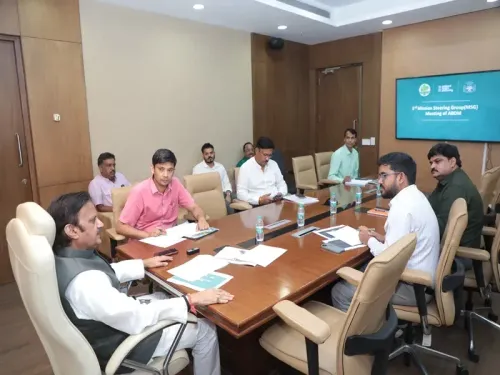
Nadda chaired the 3rd Mission Steering Group Meeting of ABDM in New Delhi on 10 July 2026 .
Over 93.95 crore ABHA numbers have been created under the mission to date.
105 crore health records have been linked to the digital health ecosystem.
5.33 lakh health facilities and 9.85 lakh healthcare professionals are registered on the platform.
The next phase will focus on accelerating adoption and deepening utilisation across states.
The mission is framed as a structural pillar of the government's Viksit Bharat vision for 2047 .
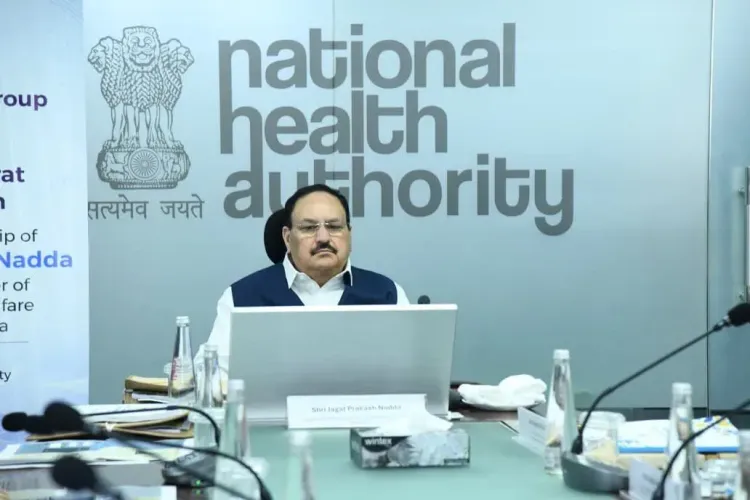
Union Health Minister J. P. Nadda on Friday, 10 July 2026, chaired the 3rd Mission Steering Group Meeting of the Ayushman Bharat Digital Mission (ABDM) in New Delhi, reviewing the progress of what the government describes as one of the world's largest digital health ecosystems.
What Was Reviewed
At the meeting, Nadda cited figures indicating that over 93.95 crore ABHA numbers have been created, with 105 crore health records linked to the system. Additionally, 5.33 lakh health facilities and 9.85 lakh healthcare professionals are now registered on the platform. The minister described ABDM as 'revolutionizing healthcare through a citizen-centric, interoperable, and technology-driven digital ecosystem.'
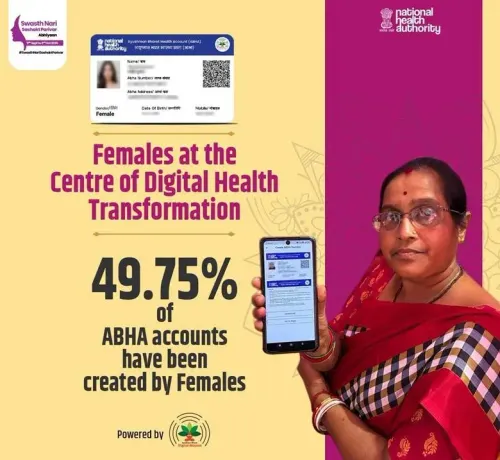
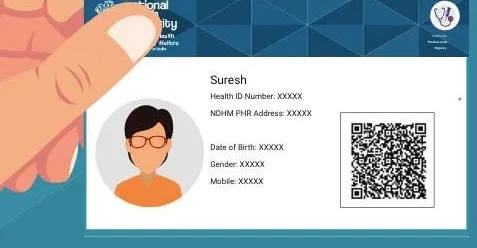
The Ayushman Bharat Health Account (ABHA) is a 14-digit unique health identifier that allows citizens to store and share their health records digitally across facilities and providers. The scale of adoption cited at the meeting would place ABDM among the largest digital public infrastructure deployments in the health sector globally.
Context
The Ayushman Bharat Digital Mission was formally launched in 2021, building on the National Digital Health Mission announced in 2020. It is part of a broader Ayushman Bharat framework that began in 2018 with the Pradhan Mantri Jan Arogya Yojana (PM-JAY), which extended health insurance coverage to low-income families. ABDM extends that foundation by creating a unified digital layer for health records, facility registries, and professional credentials.
The mission is overseen by the Ministry of Health and Family Welfare and sits within India's wider Digital India programme, which has deployed digital public infrastructure across sectors including payments, identity, and agriculture. The health stack mirrors the logic of systems like Aadhaar and UPI — interoperability as a public good.
Policy Backdrop
The Mission Steering Group is the apex governance body for ABDM, responsible for setting direction, reviewing targets, and approving the next phase of rollout. The 3rd meeting signals that the programme has moved from initial build-out to a phase focused on deepening utilisation. Nadda indicated the next phase will 'accelerate adoption and deepen utilisation across the country to deliver seamless, accessible, and efficient healthcare services to every citizen.'
The push aligns with the government's #ViksitBharat vision — a policy framework targeting a developed India by 2047. Digital health infrastructure is positioned as a structural enabler of that goal, reducing fragmentation between public and private providers and making patient records portable across the care continuum.
Stakeholders and Impact
For Indian citizens, particularly those who access care across multiple facilities or in rural areas, an interoperable health record system could reduce duplication of diagnostics and improve care continuity. For healthcare providers — hospitals, clinics, and individual practitioners — registration on ABDM creates a verified digital identity within the national health network.
The scale of 105 crore linked health records also has implications for public health analytics, enabling the government to track disease burden and health outcomes at a population level if data governance frameworks are in place.
What's Next
The ministry is expected to focus on state-level adoption targets and closing gaps in utilisation — the distinction between accounts created and records actively used is a known challenge for large-scale digital health programmes. Progress on these metrics is likely to surface in upcoming health ministry reports and budget documents. The pace at which healthcare professionals and facilities integrate ABDM into daily workflows will be the clearest indicator of whether the ecosystem moves from registration to active use.
Point of View
Where creation of accounts must translate into active use by citizens and providers. For Nadda, who holds both the health portfolio and the BJP's national presidency, showcasing digital health milestones serves a dual purpose: demonstrating governance delivery ahead of policy review cycles and anchoring the health agenda within the Viksit Bharat narrative. The real test will be whether state-level adoption data, when published, reflects the momentum implied by registration numbers.
NationPress
10 Jul 2026
Frequently Asked Questions
What is the Ayushman Bharat Digital Mission (ABDM)?
ABDM is India's national digital health programme, launched in 2021, that creates a unified ecosystem of unique health IDs, linked health records, and registered facilities and professionals to enable interoperable, citizen-centric healthcare.
What is an ABHA number?
An ABHA (Ayushman Bharat Health Account) number is a 14-digit unique health identifier issued under ABDM that allows citizens to store, access, and share their health records digitally across hospitals and clinics.
How many ABHA numbers have been created so far?
As cited by Union Health Minister J. P. Nadda at the 3rd ABDM Mission Steering Group Meeting on 10 July 2026, over 93.95 crore ABHA numbers have been created.
What was discussed at the 3rd ABDM Mission Steering Group Meeting?
The meeting, chaired by J. P. Nadda in New Delhi on 10 July 2026, reviewed ABDM's progress including 105 crore linked health records and 5.33 lakh registered facilities, and outlined a next phase focused on accelerating adoption and deepening utilisation.
What is Viksit Bharat and how does ABDM relate to it?
Viksit Bharat is the Indian government's vision for a developed India by 2047. ABDM is positioned as a key enabler of this vision by building a technology-driven, accessible digital health infrastructure for all citizens.