Piyush Goyal Chairs NPC Review on Inter-Dept Productivity
Synopsis
Union Commerce Minister Piyush Goyal on 10 July 2026 chaired a review with the National Productivity Council, DPIIT and Department of Commerce, directing focus on inter-departmental collaboration, institutional capacity building, and a future-ready administrative framework to enhance government productivity and service delivery.
Key Takeaways
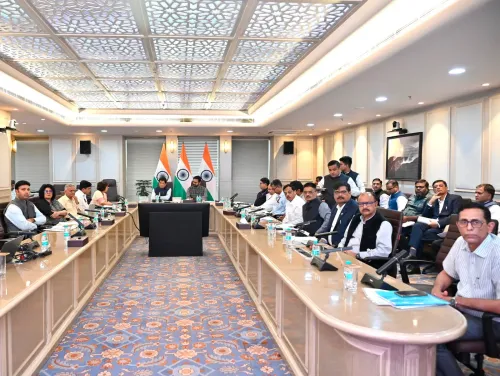
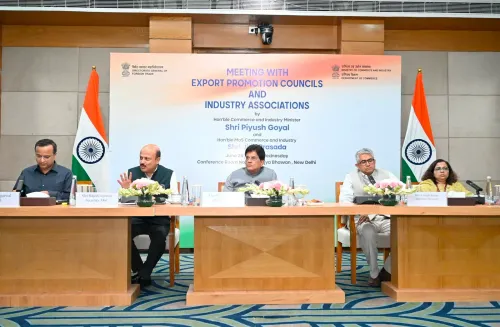
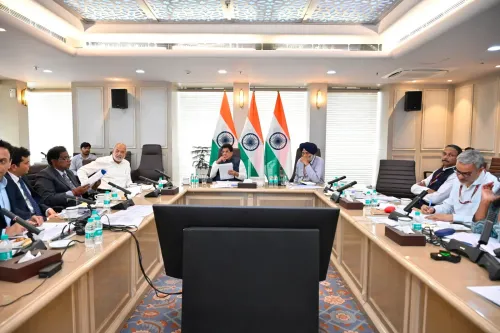
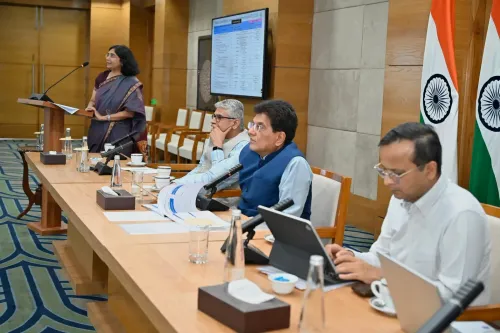
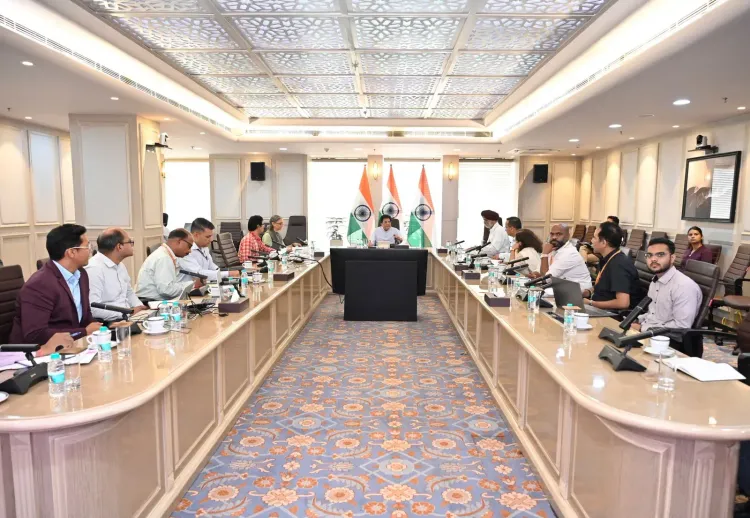
Union Commerce and Industry Minister Piyush Goyal chaired a review meeting on 10 July 2026 with officials of the National Productivity Council (NPC) , DPIIT , and Department of Commerce .
Discussions centred on improving inter-departmental collaboration , strengthening institutional capacities, and adopting best practices for productivity and service delivery.
The meeting also reviewed initiatives aimed at building an integrated, efficient and future-ready administrative framework .
The NPC , established in 1958 , is an autonomous body under the Ministry of Commerce and Industry mandated to promote productivity across sectors.
The review aligns with a long-standing pattern of NPC-led exercises to align departmental functioning with India's manufacturing and trade competitiveness goals.
Follow-up actions may include revised DPIIT productivity benchmarks and new NPC training modules for central ministries.
Union Commerce and Industry Minister Piyush Goyal on Friday, 10 July 2026 chaired a review meeting with officials of the National Productivity Council (NPC), the Department for Promotion of Industry and Internal Trade (DPIIT), and the Department of Commerce (DoC), focusing on strengthening inter-departmental collaboration and improving service delivery across central government institutions.
Context
The meeting, convened at New Delhi, centred on improving coordination between key ministries, building institutional capacities, and adopting best practices to enhance productivity. Goyal also reviewed initiatives aimed at building what he described as a 'more integrated, efficient and future-ready administrative framework.'
The NPC, an autonomous body established in 1958 under the Ministry of Commerce and Industry, serves as the nodal institution for promoting productivity improvement across sectors through training, consultancy, and research. Its mandate places it at the intersection of industrial policy and administrative modernisation.
Policy Backdrop
The NPC was constituted following recommendations tied to the early industrial development framework to institutionalise productivity enhancement across government and industry. Over the decades, it has evolved into a key partner in large-scale economic programmes, including the Make in India initiative launched in 2014-15, which positioned the council as an implementation partner for productivity-linked incentives.
The Second Administrative Reforms Commission (2005-2009) had earlier flagged inter-departmental coordination and capacity building as critical pillars of improved service delivery — themes that remain central to governance modernisation efforts. Successive governments have periodically convened NPC-led reviews to align departmental functioning with broader economic objectives, including higher manufacturing output and trade competitiveness.
The DPIIT, as the nodal department for industrial policy and ease of doing business reforms, and the Department of Commerce, which oversees foreign trade policy and export promotion, are natural partners in any exercise aimed at reducing administrative silos between industrial and export policymaking.
Stakeholders and Impact
The primary stakeholders of this review are central government departments and administrative officials whose functioning is benchmarked against productivity norms set or recommended by the NPC. Enhanced inter-departmental collaboration between DPIIT and DoC could have downstream effects on how industrial policy and export strategy are coordinated — a persistent challenge given the overlapping mandates of the two departments.
For industry and trade bodies, a more integrated administrative framework could translate into faster clearances, streamlined compliance, and more coherent policy signals. Capacity-building efforts within these institutions also carry implications for the quality of policy design and implementation at the ground level.
What's Next
Observers will watch for follow-up circulars from DPIIT on revised productivity benchmarks or new NPC training modules for central ministries. The outcomes of this review could also find mention in the next Economic Survey or the productivity chapter of the forthcoming Union Budget, where administrative efficiency gains are increasingly cited alongside fiscal metrics.
The emphasis on a 'future-ready administrative framework' signals that this review is likely part of a longer-term effort to align governance structures with India's evolving economic ambitions, including its export and manufacturing targets for the decade ahead.
Point of View
DPIIT and Department of Commerce signals an attempt to operationalise coordination between India's industrial and trade policy arms — a structural gap that has long complicated the country's export competitiveness agenda. The NPC, often seen as a legacy institution, is being repositioned as an active tool in administrative modernisation, consistent with the current government's emphasis on performance-linked governance. Bringing both DPIIT and DoC under the same review umbrella is notable: it suggests a push to harmonise mandates that have historically run on parallel tracks. If the outcomes feed into the next Budget or Economic Survey, this meeting could mark the start of a more formalised productivity-benchmarking regime for central departments.
NationPress
10 Jul 2026
Frequently Asked Questions
What is the National Productivity Council (NPC) and what does it do?
The National Productivity Council is an autonomous body established in 1958 under India's Ministry of Commerce and Industry. It promotes productivity improvement across government and industry through training, consultancy, and research, and has served as an implementation partner for major economic programmes including Make in India.
Why did Piyush Goyal chair a meeting with NPC, DPIIT and Department of Commerce?
Goyal chaired the review on 10 July 2026 to focus on improving inter-departmental collaboration, strengthening institutional capacities, and adopting best practices to enhance productivity and service delivery across central government departments.
What is DPIIT and how does it relate to this review?
The Department for Promotion of Industry and Internal Trade (DPIIT) is the nodal central department for industrial policy, FDI norms, and ease of doing business reforms. Its inclusion in the NPC review reflects efforts to reduce policy silos between industrial and trade departments.
What could come out of this NPC productivity review?
Possible outcomes include revised productivity benchmarks from DPIIT, new NPC training modules for central ministries, and references to administrative efficiency gains in the next Economic Survey or Union Budget.
How does this meeting fit into India's broader governance reform efforts?
Successive governments have periodically held NPC-led reviews to align departmental functioning with economic objectives. The current exercise mirrors ongoing efforts to modernise administration through digital governance, performance-linked budgeting, and reduced inter-departmental silos.