Goyal Reviews ONDC Push to Digitise Small Producers
Synopsis
Commerce Minister Piyush Goyal reviewed ONDC and Nirmit Bharat's digital commerce strategy on June 10, 2026, focusing on onboarding small producers and artisans, digitising logistics, and expanding financial inclusion through India's open network infrastructure.
Key Takeaways
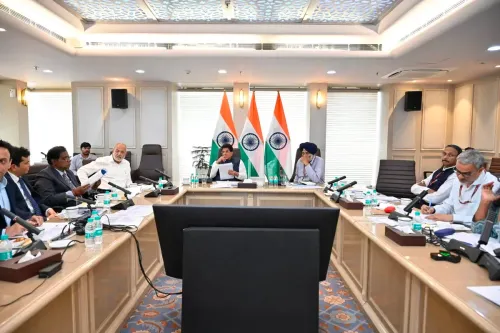
Piyush Goyal chaired a review meeting with ONDC and Nirmit Bharat officials on June 10, 2026 .
Discussions covered leveraging open digital networks to transform retail and distribution ecosystems .
The meeting emphasised bringing small producers and artisans onto digital platforms to deepen market access.
Strengthening logistics and mobility services and expanding financial inclusion were key agenda items.
ONDC , incorporated in 2021 and piloted in 2022 , is a DPIIT-backed open-protocol alternative to platform-centric e-commerce.
The push is part of India's broader open digital public infrastructure stack including UPI and the Account Aggregator framework.
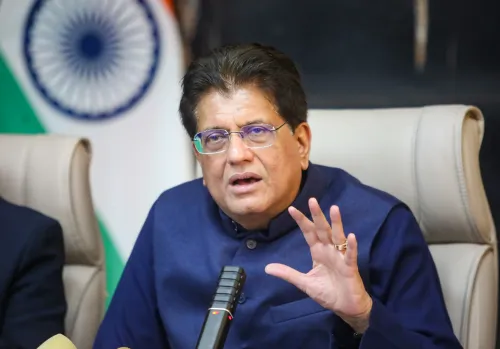
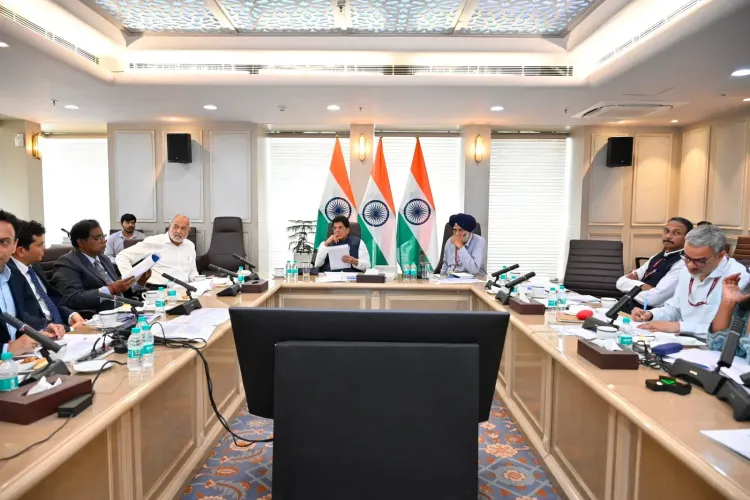
Union Commerce and Industry Minister Piyush Goyal chaired a review meeting with officials from ONDC (Open Network for Digital Commerce) and Nirmit Bharat on Wednesday, June 10, 2026, focusing on expanding open digital networks to transform retail, logistics, and financial inclusion for small producers and artisans.
Context
The meeting centred on how open digital infrastructure can overhaul India's retail and distribution ecosystems. Minister Goyal emphasised 'leveraging open digital networks to transform retail and distribution ecosystems, bring small producers and artisans onto digital platforms, strengthen logistics and mobility services, and expand financial inclusion through innovative digital solutions.'
The minister underlined that these efforts 'have the potential to deepen market access, improve service delivery and drive broad-based economic participation' — signalling a deliberate policy push to widen the economic footprint of informal-sector sellers.
Policy Backdrop
ONDC was incorporated in 2021 under the Department for Promotion of Industry and Internal Trade (DPIIT), which falls under Goyal's ministry, and its pilot was launched in 2022. The network is built on open protocols designed to make e-commerce interoperable — allowing any buyer-side or seller-side application to transact across a shared digital layer, rather than within a single dominant platform.
The initiative is part of India's broader open digital public infrastructure stack, which includes UPI for payments and the Account Aggregator framework for consent-based financial data sharing. Successive Commerce Ministry reviews have linked ONDC's expansion to logistics digitisation and improved credit access for informal-sector sellers, particularly MSMEs, artisans, and small producers who have historically been locked out of large platform ecosystems.
Stakeholders and Impact
The primary beneficiaries of an expanded ONDC are small producers, artisans, and MSMEs — segments that form the backbone of India's informal economy but have struggled to access national and global markets due to high platform fees, complex onboarding, and limited logistics reach. Open network architecture, in principle, lowers these barriers by enabling competition among service providers rather than concentration within a single platform.
The discussion's focus on financial inclusion through digital solutions points to integration with credit and payment services for sellers who lack formal banking relationships. Logistics and mobility services were also highlighted, reflecting ongoing challenges in last-mile delivery that have constrained ONDC's scale-up beyond metro markets.
What's Next
Key milestones to watch include integration progress between ONDC, logistics players, and financial service providers, as well as any parliamentary updates on ONDC adoption metrics. The ministry's renewed engagement with the network suggests that expanding seller onboarding — particularly for artisans and rural producers — remains a live priority in India's digital commerce agenda.
If open-network adoption accelerates, it could materially shift the competitive dynamics of Indian e-commerce, reducing the structural advantage currently held by large integrated platforms and channelling more economic value toward smaller, decentralised market participants.
Point of View
Logistics digitisation, and financial inclusion in a single meeting, the ministry is framing ONDC as a horizontal infrastructure layer — much as UPI was positioned before it achieved mass adoption. The inclusion of Nirmit Bharat alongside ONDC suggests the ministry is building a coalition of implementation partners rather than relying on a single network actor. If this translates into concrete integration targets and measurable onboarding metrics, it could mark a meaningful inflection point in India's decade-long effort to democratise digital commerce.
NationPress
26 Oct 2026
Frequently Asked Questions
What is ONDC and what does it do?
ONDC, or Open Network for Digital Commerce, is a DPIIT-backed non-profit that builds open protocols allowing any e-commerce buyer or seller application to interoperate on a shared digital network, rather than being locked into a single platform. It was incorporated in 2021 and piloted in 2022.
What did Piyush Goyal discuss in the ONDC review meeting?
Minister Piyush Goyal's review on June 10, 2026 focused on using open digital networks to transform retail and distribution, bring small producers and artisans online, strengthen logistics and mobility services, and expand financial inclusion through digital solutions.
How does ONDC help small producers and artisans in India?
ONDC's open-protocol architecture lowers entry barriers by enabling competition among service providers, reducing the high platform fees and complex onboarding that have historically prevented small producers, artisans, and MSMEs from accessing national markets.
What is Nirmit Bharat?
Nirmit Bharat was referenced in the minister's meeting alongside ONDC as a participant in discussions on digital commerce and inclusion; detailed public information about the organisation is limited at this time.
What is India's open digital public infrastructure?
India's open digital public infrastructure includes UPI for payments, the Account Aggregator framework for consent-based financial data sharing, and ONDC for interoperable e-commerce — a stack built since 2016 to lower entry barriers in digital markets and promote competition.