CM Mohan Yadav forms panel to improve guest scholar service terms
Synopsis
Madhya Pradesh CM Dr. Mohan Yadav announced a high-level committee to study and improve service conditions for guest scholars in government colleges, while granting 13 casual leaves, 3 optional leaves, and maternity leave for women faculty at a state-level conference in Bhopal on 10 July 2026.
Key Takeaways
A high-level committee has been formed to study guest scholar service conditions in other states and recommend a better model for Madhya Pradesh .
Guest scholars in government colleges under the Higher Education Department will now receive 13 casual leaves and 3 optional leaves .
Female guest scholars have been assured maternity leave , addressing a long-standing demand.
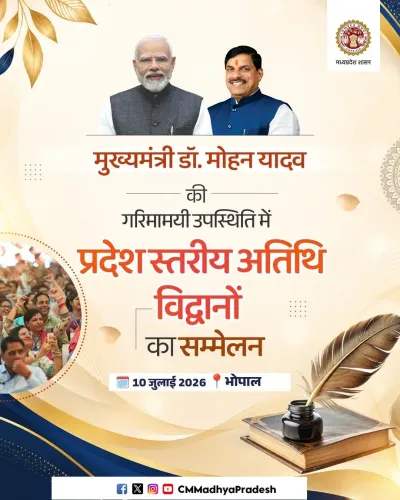
The announcements were made at a state-level guest scholar conference held in Bhopal on 10 July 2026 .
The committee's report will form the basis for a revised, comprehensive policy model for guest faculty in the state.
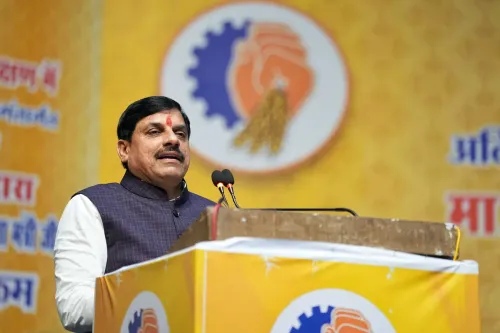
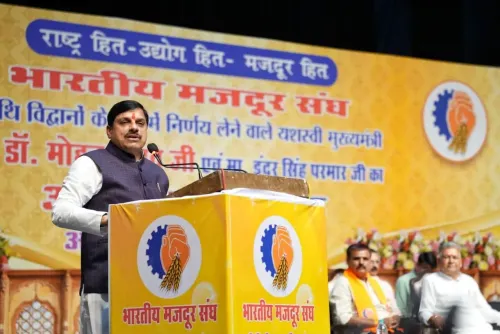
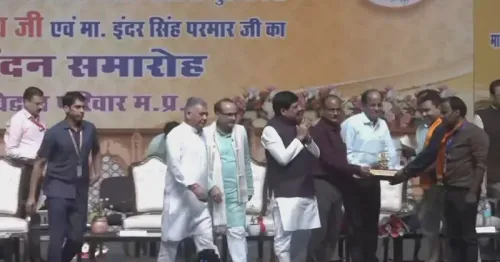
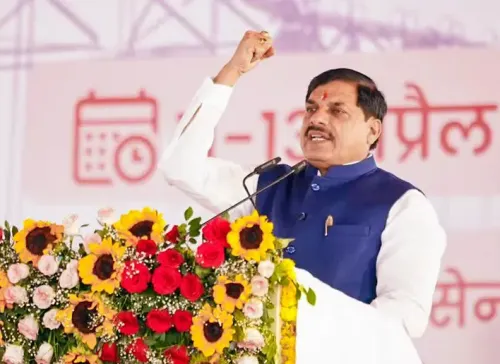
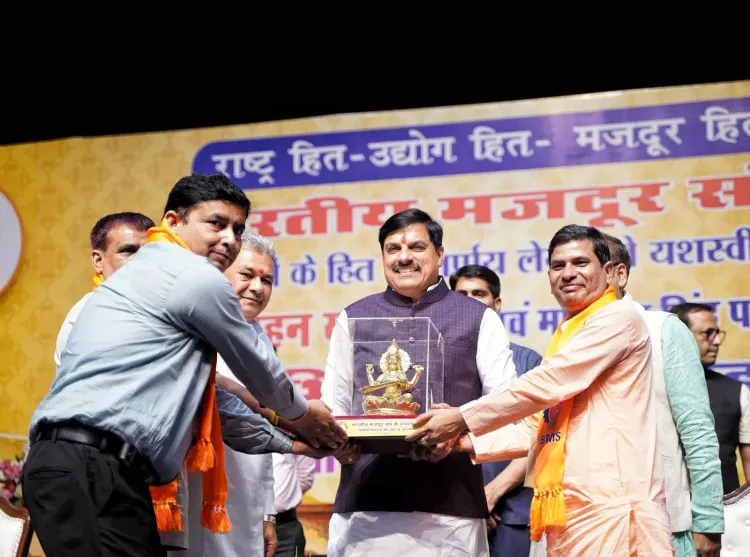
Madhya Pradesh Chief Minister Dr. Mohan Yadav on Friday, 10 July 2026, announced the formation of a high-level committee to study and improve service conditions for guest scholars employed in government colleges across the state. The announcement came at a state-level guest scholar conference held in Bhopal, where the Chief Minister shared the government's plans directly with the faculty community.
Context
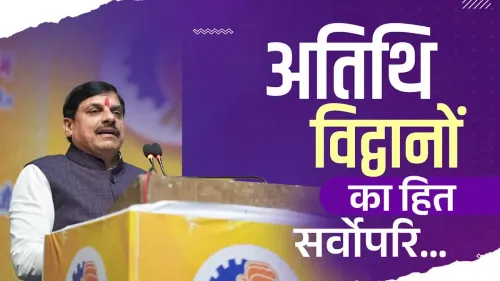
Addressing the conference, Dr. Yadav said the high-level committee will study arrangements in other states and, on that basis, a better model will be implemented in Madhya Pradesh. In his post, he noted: 'अतिथि विद्वानों के हितों के लिए उच्च स्तरीय समिति गठित की गई है' ('A high-level committee has been formed for the interests of guest scholars'). The state-level conference served as a platform for guest scholars to share their concerns and for the government to communicate immediate relief measures.
Guest scholars — contractual lecturers who fill faculty gaps in government-run degree colleges — have long sought better leave entitlements and job security. The Higher Education Department, Madhya Pradesh, oversees their service conditions across hundreds of state-run colleges.
Policy Backdrop
Among the immediate measures announced, the government has put in place 13 casual leaves and 3 optional leaves for guest scholars serving under the Higher Education Department in government colleges. Female guest scholars have additionally been assured maternity leave, a benefit that had been a long-standing demand from women faculty in the contractual category.
Across India, states have periodically revised service conditions for guest and ad-hoc faculty to address faculty shortages and align with University Grants Commission norms on leave and benefits. Such revisions typically follow representations from faculty groups and involve a comparative study of practices in other states before a state-specific model is adopted. Madhya Pradesh's committee-based approach fits squarely within this pattern of incremental, evidence-driven policy updates in higher education governance.
Stakeholders and Impact
The primary beneficiaries are guest scholars currently serving in government colleges under the Higher Education Department — a category that fills a critical gap in the state's public college teaching workforce. Female guest scholars stand to gain immediately from the maternity leave provision, which addresses a significant gap in their existing service terms.
The high-level committee's mandate to study other states' models suggests the eventual policy outcome could go beyond leave entitlements, potentially addressing remuneration, tenure security, or pathways to regularisation — though no such commitments have been made at this stage.
What's Next
The next milestone will be the high-level committee's report and any subsequent government order implementing a revised model for guest scholars in Madhya Pradesh. Possible follow-up announcements on additional benefits or regularisation could emerge during the next state budget cycle or a higher education policy review. The conference itself signals that the government intends to keep this constituency engaged through structured dialogue rather than ad-hoc responses.
Point of View
Rather than an immediate policy announcement, reflects a cautious, comparative approach by the Madhya Pradesh government — one designed to build defensible policy on the basis of inter-state evidence rather than political pressure alone. The simultaneous grant of leave entitlements, including maternity leave for women faculty, signals an attempt to offer tangible, immediate relief while the longer reform process plays out. This twin-track approach — instant benefit plus deferred structural review — is a familiar template in Indian state-level education governance, and its success will ultimately depend on the committee's timeline and the government's willingness to act on its recommendations. The move also reflects a broader national pattern of states trying to balance fiscal constraints with the growing assertiveness of contractual faculty groups.
NationPress
10 Jul 2026
Frequently Asked Questions
What is the high-level committee formed by the MP government for guest scholars?
The Madhya Pradesh government has formed a high-level committee to study service conditions for guest scholars in other states and recommend an improved model for implementation in Madhya Pradesh. The committee's report will guide future policy changes for contractual faculty in government colleges.
How many leaves are guest scholars in MP government colleges entitled to now?
Guest scholars serving in government colleges under the Madhya Pradesh Higher Education Department are now entitled to 13 casual leaves and 3 optional leaves per year, as announced by Chief Minister Dr. Mohan Yadav on 10 July 2026.
Will female guest scholars in MP get maternity leave?
Yes, the Madhya Pradesh government has assured maternity leave for female guest scholars employed in government colleges under the Higher Education Department, as announced at the state-level guest scholar conference in Bhopal.
What is a guest scholar in Madhya Pradesh colleges?
Guest scholars are contractual lecturers appointed in government-run degree colleges under the Madhya Pradesh Higher Education Department to fill teaching vacancies. They are distinct from regular, permanently appointed faculty and have historically had fewer service benefits.
When and where was the MP guest scholar conference held?
The state-level guest scholar conference was held in Bhopal on 10 July 2026 , where Chief Minister Dr. Mohan Yadav addressed participants and announced new service-condition measures.