CM Yogi distributes sweets in Ayodhya on Diwali
Synopsis
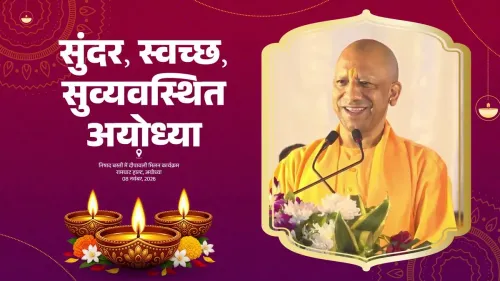
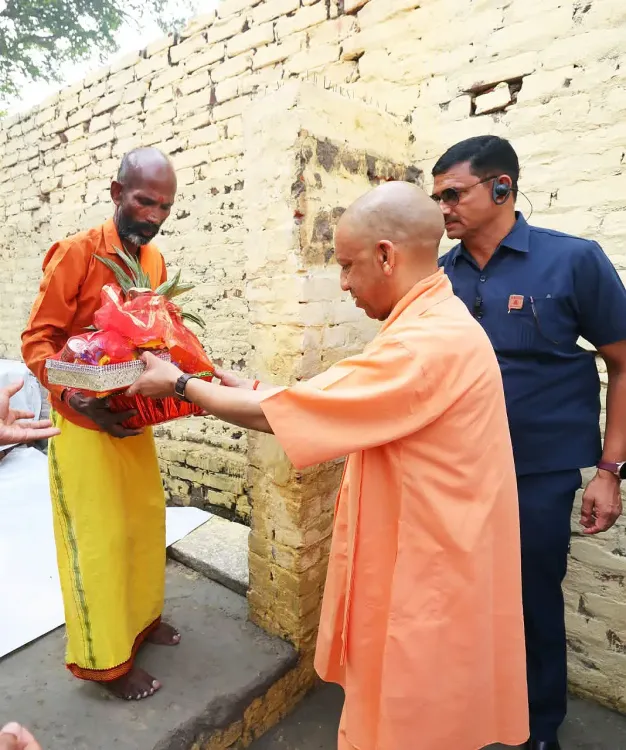
On Diwali 2026, UP Chief Minister Yogi Adityanath visited Ayodhya to distribute fruits and sweets to sanitation workers, Nishad boatmen and local families, invoking the Ramayana's Nishadraj friendship as a symbol of social harmony.
Key Takeaways
CM Yogi Adityanath distributed fruits and sweets in Ayodhya on Diwali, 8 November 2026 .
Recipients included sanitation workers, Nishad community boatmen, and families of Nishad Basti and Ashok Singhal Ward .
The gesture invokes the Ramayana friendship between Lord Ram and Nishadraj , a symbol of cross-community solidarity.
CM Yogi described the workers as karmayogis whose service underpins Ayodhya's cleanliness and vitality.
The outreach aligns with the sustained Swachh Bharat Mission focus on Ayodhya as a major pilgrimage destination since the 2019 Supreme Court verdict.
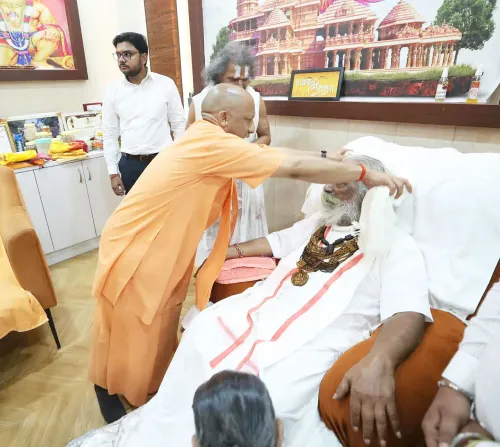
On the morning of Diwali, 8 November 2026, Uttar Pradesh Chief Minister Yogi Adityanath stepped into the lanes of Ayodhya to personally hand out fruits and sweets — not to dignitaries or party workers, but to sanitation workers, boatmen of the Nishad community, and families of the Nishad Basti and Ashok Singhal Ward.
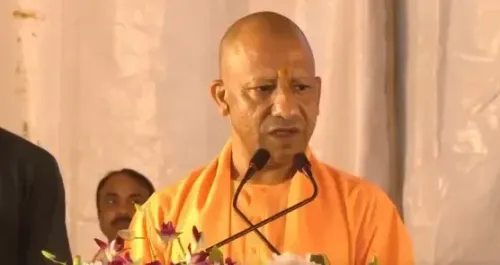
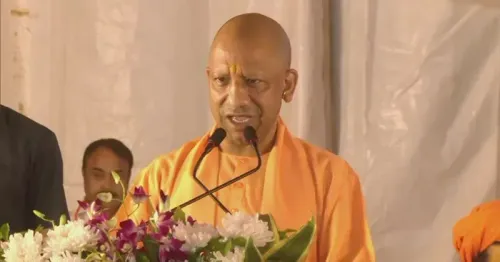
Posting on X in Hindi, CM Yogi wrote that the life of Prabhu Shri Ram teaches that a sense of belonging and harmony — 'apnatva aur samarasata' — is what binds society together, and that the great festival of Deepawali is a sacred occasion to share that warmth. 'I had the good fortune today of distributing fruits and sweets among the sanitation workers dedicated to cleanliness in Shri Ayodhya Dham, the boatmen brothers who keep alive the tradition of the affectionate friendship between Lord Ram and Nishadraj, and families residing in Nishad Basti and Ashok Singhal Ward,' he wrote, signing off with Jai Jai Shri Ram.
The Nishadraj parallel — and why it carries weight in Ayodhya
The reference to Nishadraj is deliberate and culturally layered. In the Ramayana, the boatman chieftain ferried Lord Ram across the Ganga at the outset of his exile — an act of selfless service that became a symbol of cross-community solidarity. The Nishad community in and around Ayodhya has maintained river-transport roles for generations, and invoking that friendship on Diwali ties a present-day outreach to one of the epic's most cited examples of social harmony.
CM Yogi described the sanitation workers and boatmen as 'karmayogi' — literally, those devoted to their work as a form of spiritual practice — and said their labour and spirit of service are the foundation of Ramnagari's cleanliness, beauty, and vitality.
Ayodhya's cleanliness push as a year-round priority
Ayodhya has been at the centre of an intensive urban-redevelopment and sanitation drive since the 2019 Supreme Court verdict on the Ram Janmabhoomi site. The city's transformation into a major pilgrimage destination has brought with it a sustained emphasis on hygiene infrastructure, aligned with the Swachh Bharat Mission launched in 2014. Festivals like Diwali, which draw pilgrims in large numbers, are flashpoints for both cleanliness challenges and community-outreach moments.
The ward named after the late Ashok Singhal — the VHP leader closely associated with the Ram temple movement — sits within that broader civic frame, a reminder of how religious, political, and civic histories overlap in this city more than almost anywhere else in Uttar Pradesh.
When a sitting Chief Minister distributes sweets to the people who sweep temple precincts at dawn, the gesture lands simultaneously as cultural symbolism, political optics, and genuine civic recognition. In Ayodhya, those three things are rarely far apart.
Point of View
CM Yogi anchors community outreach in Ramayana symbolism — the Nishadraj narrative provides a culturally resonant framing that transcends a routine festival gesture. The move reinforces the BJP-UP government's dual emphasis on Ayodhya's upkeep as a pilgrimage brand and on social-harmony optics ahead of potential electoral cycles. Naming the karmayogi class — those whose invisible labour maintains the city's sacred image — also serves to counter narratives of exclusion by visibly centring marginalised service communities. It is a well-calibrated fusion of faith, civic governance, and political messaging that has become a signature of Yogi Adityanath's tenure.
NationPress
8 Nov 2026
Frequently Asked Questions
What did CM Yogi do in Ayodhya on Diwali 2026?
CM Yogi Adityanath distributed fruits and sweets to sanitation workers, Nishad community boatmen, and families of Nishad Basti and Ashok Singhal Ward in Ayodhya on Diwali, 8 November 2026.
Who is Nishadraj and why did CM Yogi mention him?
Nishadraj is the boatman chieftain in the Ramayana who ferried Lord Ram across the Ganga, symbolising cross-community friendship. CM Yogi invoked this tradition to honour the Nishad boatmen of Ayodhya who continue river-transport roles today.
What is the Ashok Singhal Ward in Ayodhya?
The Ashok Singhal Ward is a municipal ward in Ayodhya named after the late VHP leader Ashok Singhal, who was closely associated with the Ram temple movement.
What is the significance of Ayodhya's cleanliness drive?
Since the 2019 Supreme Court verdict on the Ram Janmabhoomi site, Ayodhya has undergone major urban redevelopment with a strong emphasis on sanitation, backed by the Swachh Bharat Mission, as the city grows as a major pilgrimage destination.
What does 'karmayogi' mean in CM Yogi's post?
CM Yogi used the term 'karmayogi' to describe sanitation workers and boatmen — it means one who performs their work as a form of selfless devotion, drawing on a philosophical concept from the Bhagavad Gita.