CM Yogi Greets Devotees on Devshayani Ekadashi 2026
Synopsis
Uttar Pradesh Chief Minister Yogi Adityanath marked Devshayani Ekadashi on 25 July 2026 by sharing a Sanskrit verse invoking Lord Vishnu and praying for happiness, peace, and prosperity for all devotees, reflecting his dual role as chief minister and head of Gorakhnath Math.
Key Takeaways
CM Yogi Adityanath posted Devshayani Ekadashi greetings on 25 July 2026 via his official X account.
The post opened with a Sanskrit shloka saluting Lord Vishnu as the Paramatma and root cause of creation, sustenance, and dissolution.
Devshayani Ekadashi marks Lord Vishnu's entry into Yoganidra (divine yogic sleep), initiating the four-month Chaturmas period.
Yogi Adityanath is both Chief Minister of Uttar Pradesh and Mahant of Gorakhnath Math , Gorakhpur — a dual role that gives his religious communications official and spiritual weight.
Major pilgrimage centres in UP — including Mathura, Vrindavan, Ayodhya , and Varanasi — observe Devshayani Ekadashi with large-scale temple rituals each year.
The post reflects a consistent pattern of CM Yogi marking significant Hindu tithis publicly, aligning state visibility with religious observance.
Uttar Pradesh Chief Minister Yogi Adityanath extended greetings to devotees across the country on the occasion of Devshayani Ekadashi, sharing a Sanskrit shloka and a prayer on Saturday, 25 July 2026. The post, published on his official X account in the early hours, invoked Lord Vishnu and sought divine blessings of happiness, peace, and prosperity for all believers.
Context
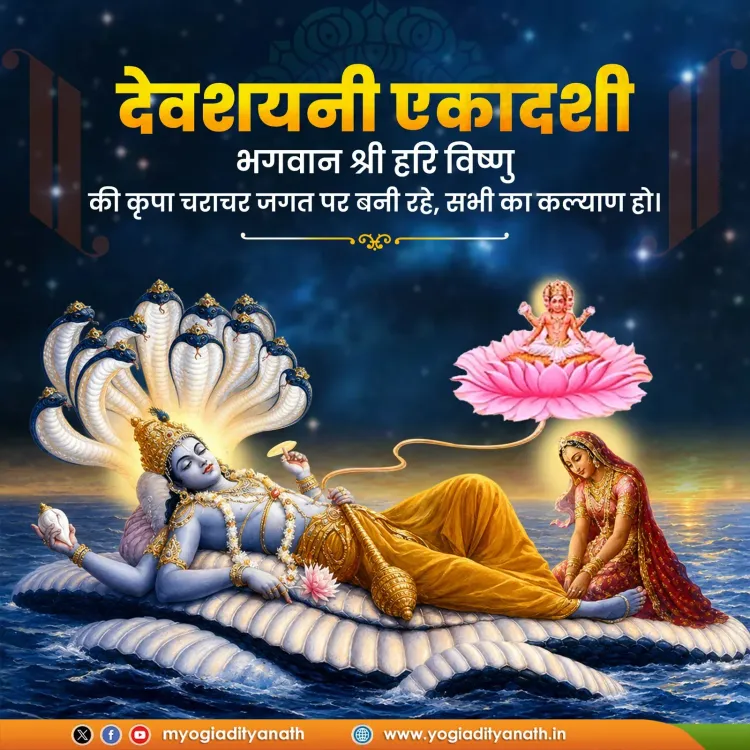
In the post, CM Yogi opened with a Sanskrit verse: 'Sargasthitivinaashaanaam jagato yo jaganmayah, moolabhooto namastasmai vishnave paramaatmane' — loosely translated as 'Salutations to Lord Vishnu, the Paramatma, who is the very essence of the universe and the root cause of its creation, sustenance, and dissolution.' He described the occasion as the sacred date of Lord Shri Hari's entry into Yoganidra (divine yogic sleep) and prayed that the grace of the 'Lord of the Three Worlds' remain ever upon all of creation.
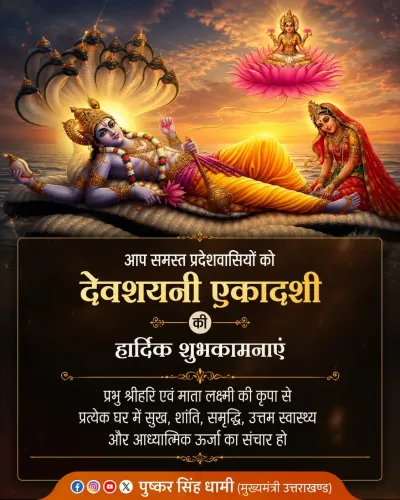
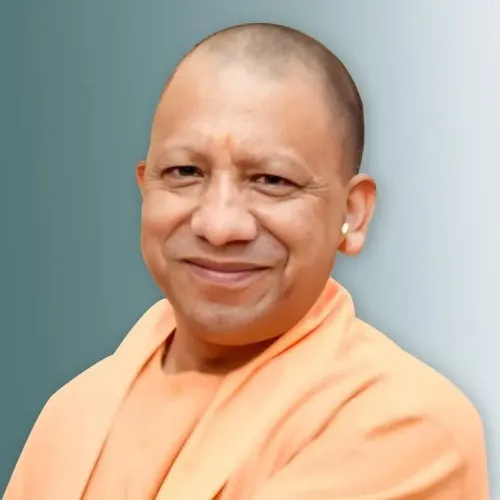
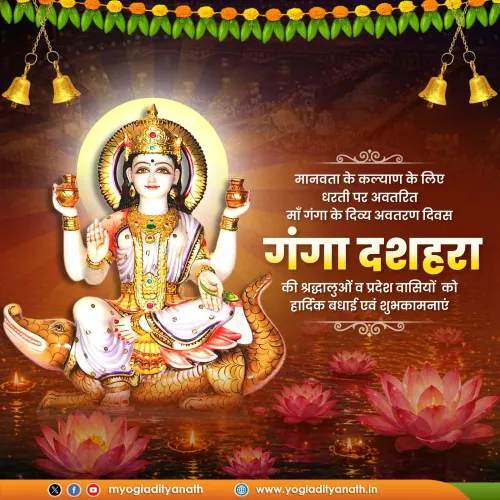
He concluded with a wish that 'sukh, shaanti aur samriddhi' — happiness, peace, and prosperity — fill the lives of all devotees. The post was accompanied by one image.
Policy Backdrop
Devshayani Ekadashi is one of the most significant Hindu observances in the Vaishnava calendar, marking the moment when Lord Vishnu is believed to enter a four-month period of cosmic sleep, known as Chaturmas. During this period, major religious ceremonies, weddings, and certain auspicious activities are traditionally paused in observance of the sacred months.
Uttar Pradesh, home to major pilgrimage centres including Mathura, Vrindavan, Ayodhya, and Varanasi, witnesses large-scale temple observances during Devshayani Ekadashi each year. State temples and religious trusts under government oversight typically organise special prayers and rituals on this day.
Stakeholders and Impact
CM Yogi Adityanath occupies a distinctive position among Indian chief ministers as both an elected head of government and the Mahant of Gorakhnath Math, a centuries-old Nath monastic institution in Gorakhpur, Uttar Pradesh. This dual identity means his religious communications carry both personal and institutional weight, reaching millions of Hindu devotees across the state and beyond.
His practice of sharing Sanskrit shlokas and prayers on major Hindu tithis (lunar calendar dates) is a consistent feature of his public communication, reflecting a pattern seen across BJP-led state governments where public religious observance receives official visibility. For ordinary devotees in Uttar Pradesh, such posts reinforce the state administration's visible alignment with Hindu religious traditions.
What's Next
With Chaturmas now underway, religious activity in Uttar Pradesh's major temple towns is expected to intensify through the coming months, with subsequent Ekadashis and festivals drawing large gatherings of pilgrims. State-level arrangements for these observances, including those at temples under government oversight, will be closely watched by both the administration and religious communities.
The period culminating in Devutthana Ekadashi — when Lord Vishnu is believed to awaken — is traditionally one of the most active on the Hindu religious calendar, and the state government's role in facilitating orderly observances will remain in focus.
Point of View
His invocation of Vishnu on a Vaishnava occasion underscores the deliberately pan-Hindu outreach that defines his public persona beyond his Shaivite institutional base. The post fits a broader BJP-era pattern in which chief ministers use social media to anchor state identity in religious calendars, normalising official participation in Hindu observance. For Uttar Pradesh specifically — a state with dense pilgrimage infrastructure and a large devotee base — such communications serve both a cultural and an administrative signalling function ahead of Chaturmas-related gatherings. The consistency of this practice across years makes it a structural feature of governance communication in the state, not an isolated gesture.
NationPress
25 Jul 2026
Frequently Asked Questions
What is Devshayani Ekadashi and why is it important?
Devshayani Ekadashi is a major Hindu observance on which Lord Vishnu is believed to enter a four-month divine sleep called Yoganidra, marking the start of the Chaturmas period. It is considered one of the most sacred Ekadashis in the Vaishnava calendar and is observed with fasting, prayers, and temple rituals across India, especially in Uttar Pradesh's pilgrimage towns.
What did CM Yogi Adityanath post on Devshayani Ekadashi 2026?
CM Yogi Adityanath shared a Sanskrit shloka saluting Lord Vishnu as the Paramatma and prayed that divine grace remain upon all of creation, wishing all devotees happiness, peace, and prosperity on the occasion of Devshayani Ekadashi on 25 July 2026.
What is Chaturmas and when does it begin?
Chaturmas is a four-month sacred period in the Hindu calendar that begins on Devshayani Ekadashi, when Lord Vishnu is said to go into divine sleep. During these months, certain auspicious activities including weddings are traditionally paused, and religious observances intensify across temples in India.
Why does Yogi Adityanath regularly post on Hindu festivals?
Yogi Adityanath holds the dual role of Chief Minister of Uttar Pradesh and Mahant (head) of Gorakhnath Math, a historic Hindu monastery in Gorakhpur. This dual identity means he regularly marks major Hindu tithis publicly, a practice that reflects both his personal religious position and a broader pattern of official religious visibility in BJP-led states.
Which temples in Uttar Pradesh observe Devshayani Ekadashi?
Major pilgrimage centres across Uttar Pradesh — including temples in Mathura, Vrindavan, Ayodhya, and Varanasi — observe Devshayani Ekadashi with special prayers and rituals. Many of these temples operate under state religious trust oversight, and the Chaturmas period that follows sees sustained religious activity through to Devutthana Ekadashi.