CM Yogi: Har Ghar Nal Yojana bringing relief to women across UP
Synopsis
Chief Minister Yogi Adityanath's office says the Har Ghar Nal Yojana is now bringing relief to women and girls in Uttar Pradesh, spotlighting the state's piped water drive under the national Jal Jeevan Mission framework.
Key Takeaways
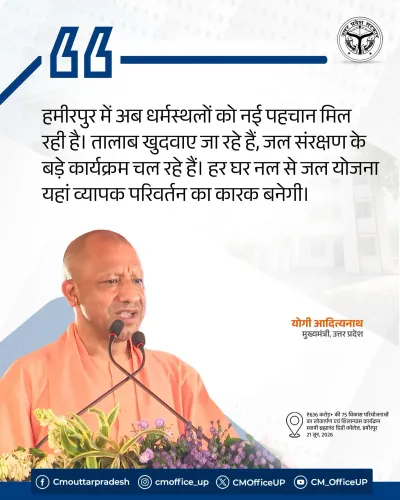
The Chief Minister's Office of Uttar Pradesh posted on June 21, 2026 , quoting CM Yogi Adityanath on the Har Ghar Nal Yojana .
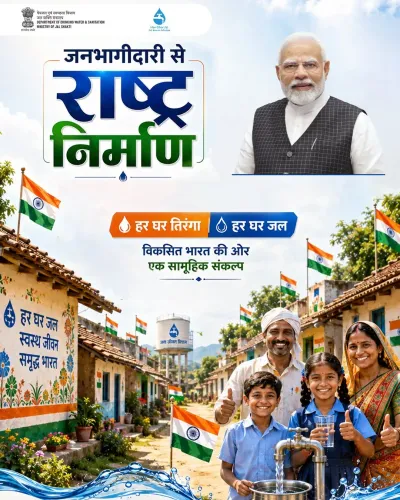
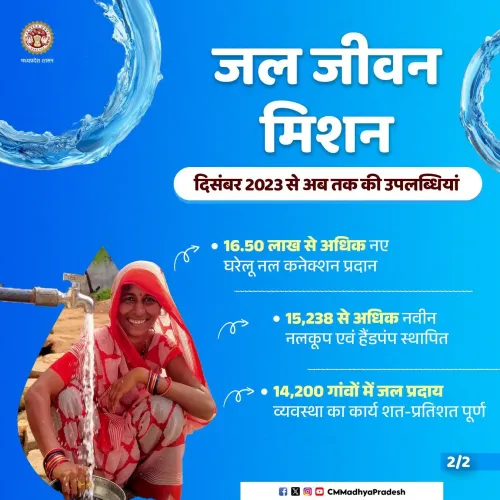
The scheme aims to provide household tap water connections across Uttar Pradesh , aligned with the central government's Jal Jeevan Mission launched in 2019 .
Women and girls ( bahan-betiyon ) are identified as the primary beneficiaries, with the scheme reducing the burden of water collection.
Uttar Pradesh, as India's most populous state, is one of the largest implementation zones for the Jal Jeevan Mission.
Progress on functional household connections and future coverage targets in UP assembly sessions will be key indicators to watch.
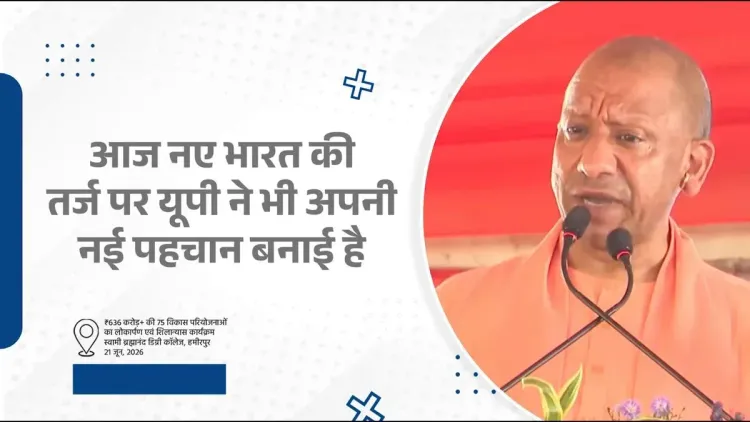
The Chief Minister's Office of Uttar Pradesh on Sunday, June 21, 2026, shared a statement from Chief Minister Yogi Adityanath highlighting that the 'Har Ghar Nal' (Tap Water to Every Home) scheme is now providing relief to women and girls across the state.
Context
The post, shared from the official CMO account, quotes Chief Minister Yogi Adityanath directly: 'Har Ghar Nal' yojana ab bahan-betiyon ko rahat pradan kar rahi hai — meaning, 'The Har Ghar Nal scheme is now providing relief to sisters and daughters.' The statement underscores the human dimension of an infrastructure push that successive state governments have framed as a welfare priority, particularly for rural women who have historically borne the burden of fetching water over long distances.Policy Backdrop
Har Ghar Nal Yojana is Uttar Pradesh's piped drinking water programme, implemented in alignment with the Jal Jeevan Mission — the Government of India's flagship scheme announced in 2019 to deliver functional household tap connections to every rural home across the country. The central programme set a universal coverage target, with states responsible for on-ground execution through a shared-funding model. Uttar Pradesh, as India's most populous state, has been one of the largest operational theatres for this mission, given the scale of its rural population and the historically low baseline of piped water access in many districts. The emphasis on women and girls — referred to in the post as bahan-betiyon (sisters and daughters) — reflects a deliberate policy framing that has accompanied Jal Jeevan Mission communications at both the central and state levels. Reducing the drudgery of water collection, which disproportionately falls on women and girls in rural India, has been cited as a core social objective of the programme alongside the public health benefits of clean, accessible drinking water.Stakeholders and Impact
The primary beneficiaries of Har Ghar Nal Yojana are rural households in Uttar Pradesh, with women and girls identified as the group most directly affected by the absence — and now the provision — of household tap connections. When women no longer need to walk significant distances to collect water, the time freed up has implications for education, livelihood, and health outcomes, according to the broader policy rationale behind such schemes. Local gram panchayats and state water supply agencies are the implementing partners, while the central government provides a substantial share of funding under the Jal Jeevan Mission framework. The scheme also creates downstream demand for plumbing materials, skilled labour, and water-treatment infrastructure, making it a multi-sector economic intervention beyond its welfare dimension.What's Next
Attention will now turn to state-level progress disclosures, including data on the number of additional household connections completed and any new coverage or quality targets set in forthcoming Uttar Pradesh assembly sessions or budget announcements. The Chief Minister's public reaffirmation of the scheme's impact signals continued political priority for water infrastructure ahead of any upcoming policy reviews. Independent assessments of functional tap connections — distinguishing installed infrastructure from those actually delivering water — will be a key measure of the programme's ground-level success.Point of View
Blending the Jal Jeevan Mission's national mandate with state-level branding. The timing, well into the scheme's implementation cycle, suggests the government is moving from announcing targets to asserting outcomes — a shift that invites scrutiny of verified connection data versus on-ground functionality. Whether the political narrative is matched by auditable coverage numbers will determine how durable this messaging proves to be.
NationPress
20 Sept 2026
Frequently Asked Questions
What is the Har Ghar Nal Yojana in Uttar Pradesh?
Har Ghar Nal Yojana is Uttar Pradesh's programme to provide piped drinking water connections to every household, implemented under the central government's Jal Jeevan Mission framework launched in 2019.
How does Har Ghar Nal benefit women in UP?
The scheme provides tap water directly at home, eliminating the need for women and girls to travel long distances to collect water — freeing up time for education, livelihood, and other activities.
What is the Jal Jeevan Mission?
The Jal Jeevan Mission is a Government of India initiative announced in 2019 to deliver functional household tap connections to all rural homes across the country, funded jointly by the centre and states.
What did CM Yogi Adityanath say about the water scheme?
CM Yogi Adityanath, as quoted by the Chief Minister's Office of Uttar Pradesh on June 21, 2026, stated that the Har Ghar Nal scheme is now providing relief to sisters and daughters across the state.
What should we watch for next on UP's water scheme?
Key things to watch include state disclosures on the number of functional household connections completed, new coverage targets in UP assembly sessions, and independent assessments of whether installed taps are actually delivering water.