CM Yogi hails first collective Vande Mataram at Red Fort
Synopsis
On Independence Day 2026, a collective chorus of Vande Mataram rang out from the Red Fort ramparts for the first time. UP Chief Minister Yogi Adityanath called it a historic tribute to freedom fighters and a new expression of patriotism under PM Modi's leadership.
Key Takeaways
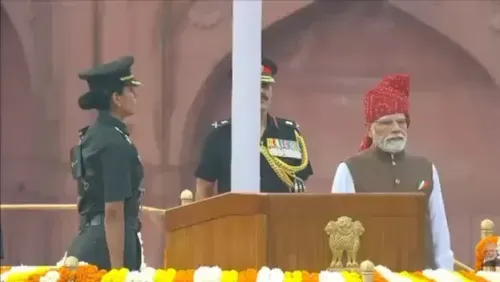
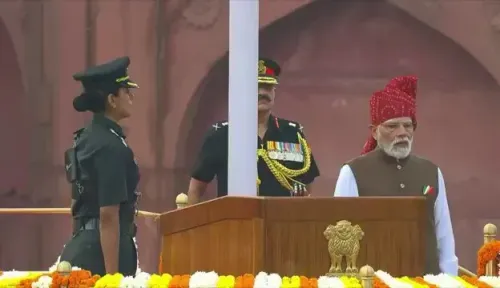
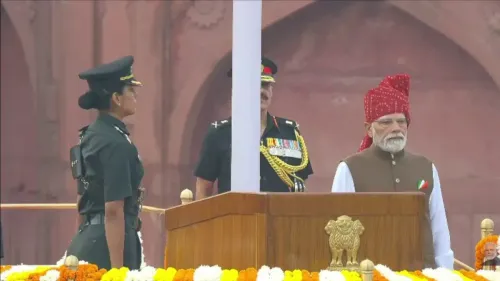
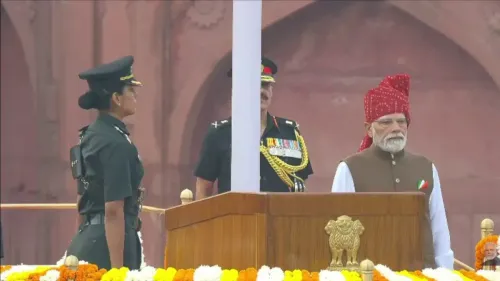
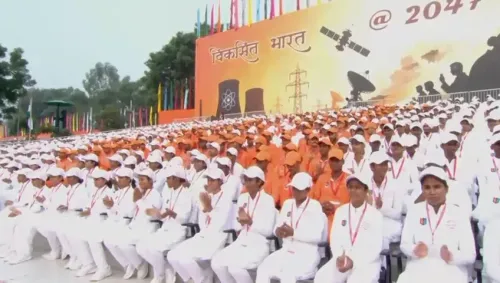
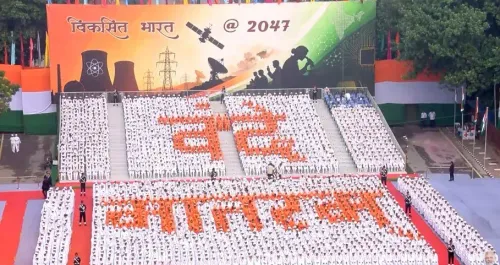
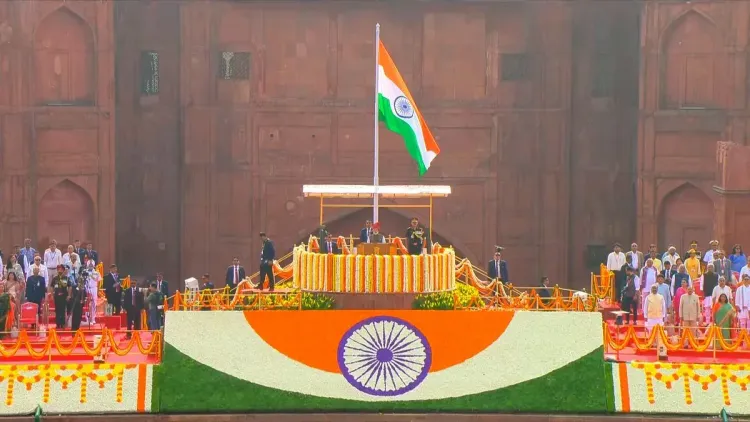
On 15 August 2026 , a collective rendition of Vande Mataram was performed from the Red Fort ramparts during the Independence Day ceremony, described by CM Yogi as a first.
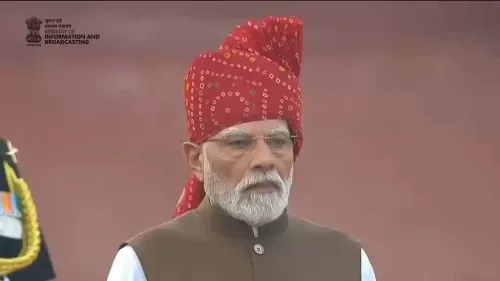
CM Yogi Adityanath credited the moment to Prime Minister Narendra Modi's leadership and called it a unified national tribute to freedom fighters.
Vande Mataram , composed by Bankim Chandra Chatterjee , was adopted as India's national song by the Constituent Assembly on 24 January 1950 .
CM Yogi framed the event as reinforcing patriotism, cultural consciousness, and the 'Nation First' resolve.
The Red Fort has hosted the Independence Day ceremony every year since 1947 , making this a significant addition to a 78-year-old tradition.
Whether collective Vande Mataram singing becomes a permanent fixture of the Red Fort ceremony remains to be watched in subsequent years.
For the first time in the 78 years of Independence Day ceremonies at the Red Fort, a collective chorus of Vande Mataram rang out from the historic ramparts — and Uttar Pradesh Chief Minister Yogi Adityanath called it a moment the nation will draw inspiration from for generations.
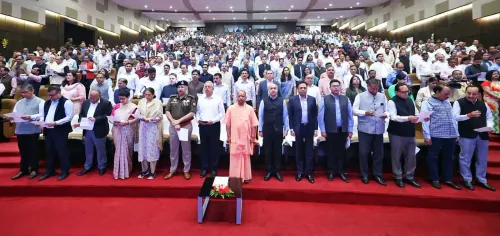
Writing on 15 August 2026, CM Yogi framed the collective singing as a unified tribute to the martyrs of India's freedom struggle — 'अमर बलिदानी स्वतंत्रता संग्राम सेनानियों को समूचे राष्ट्र की ओर समेकित श्रद्धांजलि' ('a consolidated salute from the entire nation to the immortal martyrs of the freedom movement'). He credited the moment to the leadership of Prime Minister Narendra Modi.
What made this Independence Day different at the Red Fort
The Red Fort has anchored every Independence Day since 15 August 1947 — flag-hoisting, the Prime Minister's address, the pageantry of a republic affirming itself. What changed this year, according to CM Yogi's post, was the addition of a mass, collective rendition of Vande Mataram from the ramparts themselves. The national song — composed by Bankim Chandra Chatterjee and formally adopted by the Constituent Assembly on 24 January 1950 — has long been woven into the emotional fabric of Independence Day, but a coordinated, all-together chorus from the fort's iconic battlements appears to mark a deliberate new chapter in how the occasion is observed.
Vande Mataram's journey from the freedom struggle to the ramparts
Vande Mataram was the war cry of the independence movement long before it became the national song. Its verses animated protests, filled courtrooms, and echoed in prison cells across British India. Elevating it to a collective, orchestrated act at the Red Fort — the very stage where Prime Ministers speak to the nation — carries layered symbolism: connecting the living republic to the sacrifices that created it.
CM Yogi described the moment as one that reinforces 'राष्ट्रभक्ति, सांस्कृतिक चेतना और राष्ट्र प्रथम के संकल्प' — patriotism, cultural consciousness, and the resolve to put the nation first — and said it would continue to inspire every citizen's best contribution to nation-building.
A pattern of cultural emphasis at Independence Day
The current leadership has consistently used Independence Day as a platform to pair development messaging with assertions of cultural heritage. Collective national-song singing fits that pattern: it is participatory, visually powerful, and draws a direct line from the freedom movement to the present government's self-described civilisational priorities. Whether the collective Vande Mataram becomes a permanent fixture of the Red Fort ceremony — or travels to state-level Independence Day events — will signal how institutionalised the gesture is meant to be.
The fort's ramparts have witnessed 78 addresses. If this one is remembered, it may be for the moment an entire crowd at the seat of national ceremony sang the song that once defied an empire. Vande Mataram. Jai Hind.
Point of View
He ties a ceremonial moment directly to the BJP's civilisational-nationalism platform. The move fits a broader governing pattern of infusing state occasions with cultural-heritage content, blurring the line between republic ritual and political identity. Whether the gesture endures as formal protocol or remains a one-off will determine whether it is legacy-building or optics. For now, it hands the party a potent visual and emotional anchor heading into the next political cycle.
NationPress
29 Sept 2026
Frequently Asked Questions
Was Vande Mataram sung collectively at Red Fort for the first time in 2026?
According to CM Yogi Adityanath's post on 15 August 2026, this was the first time a collective chorus of Vande Mataram was performed from the Red Fort ramparts during the Independence Day ceremony. This specific claim has not been independently verified from prior public records.
What is Vande Mataram and why is it significant?
Vande Mataram is India's national song, composed by Bankim Chandra Chatterjee. It was formally adopted by the Constituent Assembly on 24 January 1950 and served as a rallying anthem during the independence movement against British rule.
What did CM Yogi Adityanath say about Independence Day 2026?
CM Yogi said the collective Vande Mataram sung from the Red Fort ramparts under PM Modi's leadership is a consolidated tribute from the entire nation to the immortal martyrs of the freedom struggle, and will inspire citizens to contribute their best to nation-building.
Why is the Red Fort used for Independence Day celebrations?
The Red Fort in Delhi has been the venue for India's Independence Day flag-hoisting and the Prime Minister's national address every year since 15 August 1947, making it the symbolic heart of the republic's annual founding commemoration.
What is the significance of 'Rashtra Pratham' mentioned by CM Yogi?
'Rashtra Pratham' means 'Nation First' in Hindi. CM Yogi used the phrase to describe the spirit behind the collective Vande Mataram moment, framing it as an expression of patriotism and cultural consciousness that should guide every citizen's contribution to India.