CM Yogi Holds Janata Darshan, Directs Swift Grievance Redress
Synopsis
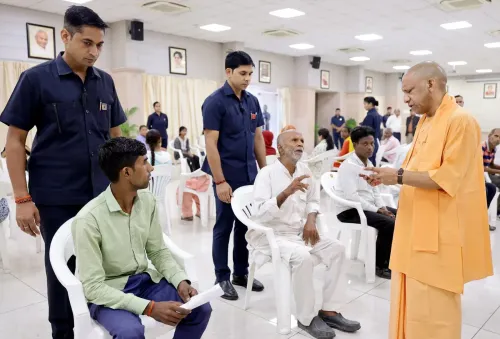
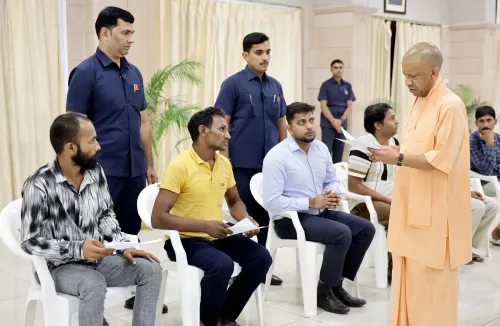
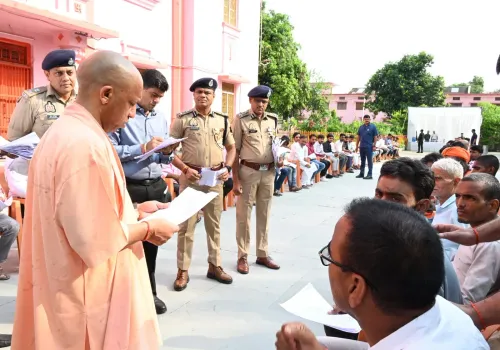
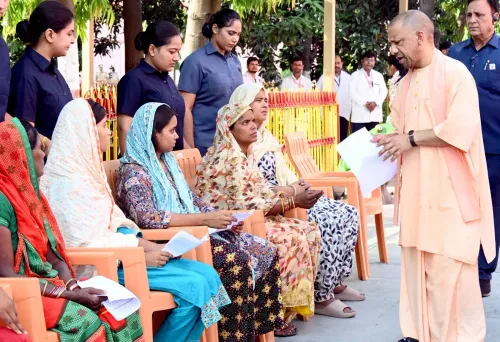
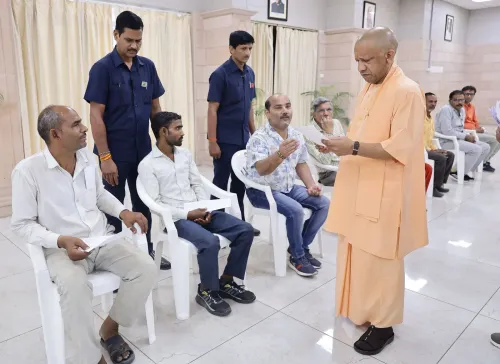
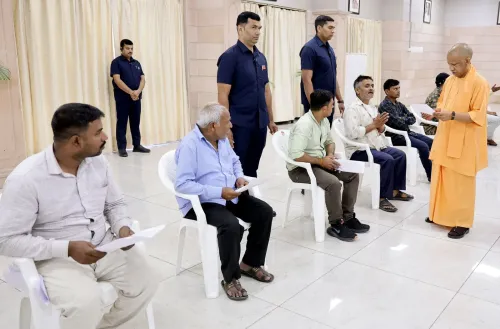
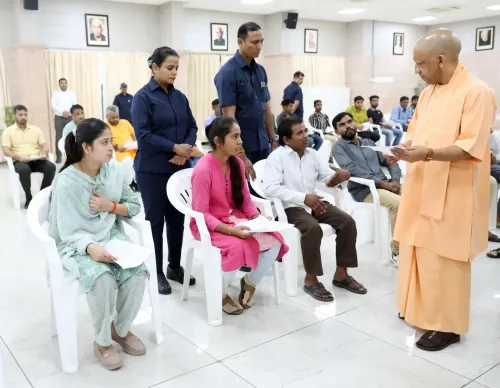
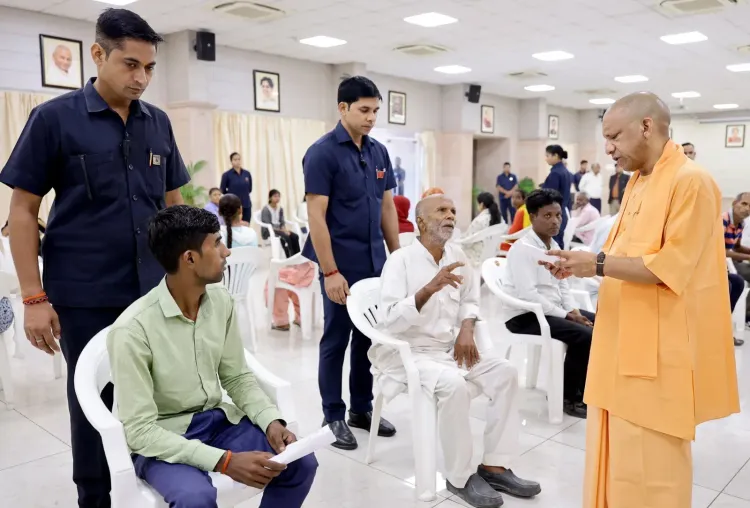
Chief Minister Yogi Adityanath held Janata Darshan at his Lucknow official residence on 13 July 2026, listening to grievances from citizens across Uttar Pradesh's districts and directing officials to ensure swift, transparent, and effective resolution.
Key Takeaways
CM Yogi Adityanath conducted a Janata Darshan session at his official Lucknow residence on 13 July 2026 .
Citizens from multiple districts across Uttar Pradesh attended to present their grievances directly to the Chief Minister.
The Chief Minister directed concerned officials to resolve public complaints in a swift, transparent, and effective manner.
Janata Darshan has been a regular governance programme since the Yogi Adityanath government took office in March 2017 .
The programme complements the CM Helpline 1076 , a 24x7 digital grievance channel launched in 2017 .
The administration has framed public service — janseva — as its highest priority in its official communications.
The Chief Minister's Office of Uttar Pradesh announced on Monday, 13 July 2026 that Chief Minister Yogi Adityanath held a Janata Darshan (public hearing) session at his official residence in Lucknow, receiving citizens from multiple districts of the state and directing officials to resolve their complaints swiftly, transparently, and effectively.
The CMO's post stated: 'जनसेवा सर्वोच्च प्राथमिकता!' ('Public service is the highest priority!'), underlining the administration's stated commitment to direct citizen engagement. Citizens from various districts across Uttar Pradesh travelled to the Chief Minister's Lucknow residence to present their grievances in person.
Context
Janata Darshan is a structured public-hearing programme in which CM Yogi Adityanath meets ordinary citizens at his official Lucknow residence to hear complaints that have not been resolved at the district or divisional level. The format allows residents to bypass bureaucratic layers and place their concerns directly before the state's top executive. The programme has been a regular fixture of the Yogi administration since it assumed office in March 2017.
Policy Backdrop
The Yogi Adityanath government institutionalised weekly Janata Darshan sessions shortly after taking charge in 2017, framing them as a cornerstone of its governance model. In the same year, the state launched the CM Helpline 1076, a 24x7 integrated grievance portal designed to complement in-person hearings with a digital channel for citizens unable to reach Lucknow in person.
Together, these mechanisms form part of a broader push in Uttar Pradesh — India's most populous state — for time-bound grievance disposal and direct accountability of district-level officials to the Chief Minister's Office. The administration has periodically published quarterly performance reports on grievance disposal rates as a transparency measure.
Stakeholders and Impact
The primary beneficiaries of Janata Darshan are common citizens, particularly those from rural and semi-urban districts who have struggled to secure redress through conventional administrative channels. By bringing district-level complaints to the Chief Minister's direct attention, the programme creates a form of top-down pressure on local officials to act.
The broader administrative tradition of darbar-style public hearings has deep roots in Indian governance, but Uttar Pradesh has sought to institutionalise and regularise it in a way that makes accountability measurable. Officials who fail to act on directives issued during Janata Darshan sessions are, in principle, answerable to the Chief Minister's Office.
What's Next
Observers and citizens' groups will watch whether the directives issued at the 13 July 2026 session translate into documented, time-bound resolutions at the district level. The UP government's quarterly grievance disposal reports will be a key indicator of follow-through. There is also ongoing discussion within the administration about expanding the Janata Darshan model to divisional headquarters, which would bring the programme closer to citizens in distant parts of the state and reduce the burden of travelling to Lucknow.
Point of View
The Chief Minister reinforces an image of direct, decisive governance in a state where administrative distance has historically frustrated public trust. The programme also serves a functional accountability purpose, creating a paper trail of directives that district officials are expected to act upon. In the run-up to future electoral cycles, sustained and documented grievance resolution will be as important as the optics of holding the hearings. The broader institutionalisation of such mechanisms in Uttar Pradesh could set a template for other large states grappling with the challenge of last-mile governance.
NationPress
13 Jul 2026
Frequently Asked Questions
What is Janata Darshan in Uttar Pradesh?
Janata Darshan is a regular public-hearing programme in which CM Yogi Adityanath meets citizens at his official Lucknow residence to hear unresolved complaints from across Uttar Pradesh's districts and direct officials to act on them.
When did CM Yogi start Janata Darshan?
CM Yogi Adityanath began holding Janata Darshan sessions shortly after assuming office in March 2017 , and the programme has continued as a regular feature of his administration.
What is CM Helpline 1076 in UP?
CM Helpline 1076 is a 24x7 integrated grievance portal launched by the Uttar Pradesh government in 2017 to complement in-person Janata Darshan sessions, allowing citizens to register complaints without travelling to Lucknow.
What happened at Janata Darshan on 13 July 2026?
On 13 July 2026 , CM Yogi Adityanath held a Janata Darshan session at his Lucknow residence, hearing grievances from citizens of various districts and directing officials to resolve complaints swiftly, transparently, and effectively.
Can citizens from any UP district attend Janata Darshan?
Yes, citizens from across Uttar Pradesh's districts can attend Janata Darshan at the Chief Minister's official residence in Lucknow to present unresolved complaints directly to CM Yogi Adityanath .