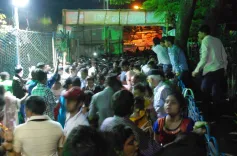
CM Yogi Holds Janata Darshan at Gorakhnath Mandir
Synopsis
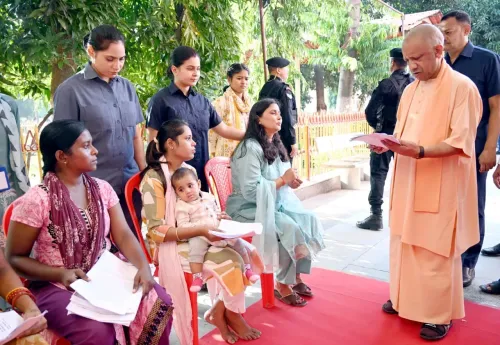
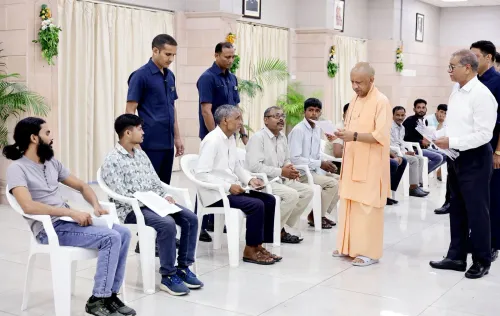
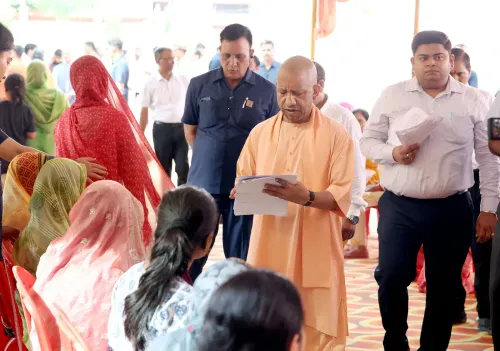
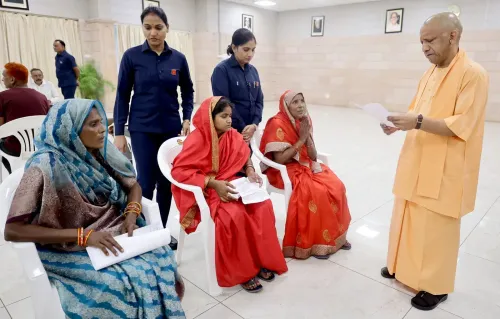
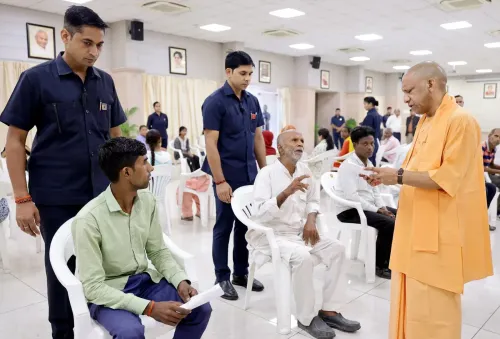
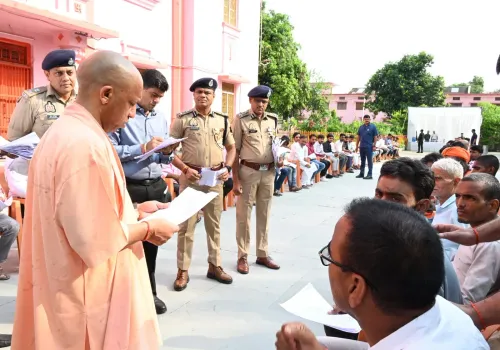
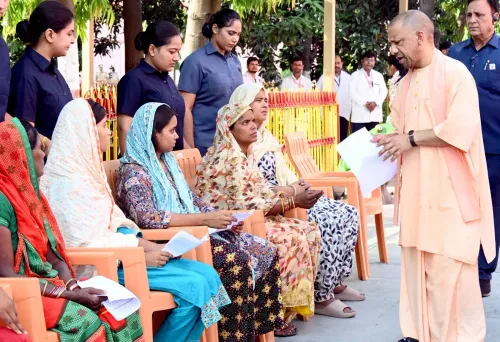
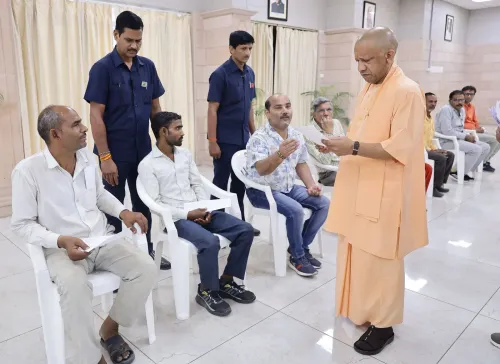
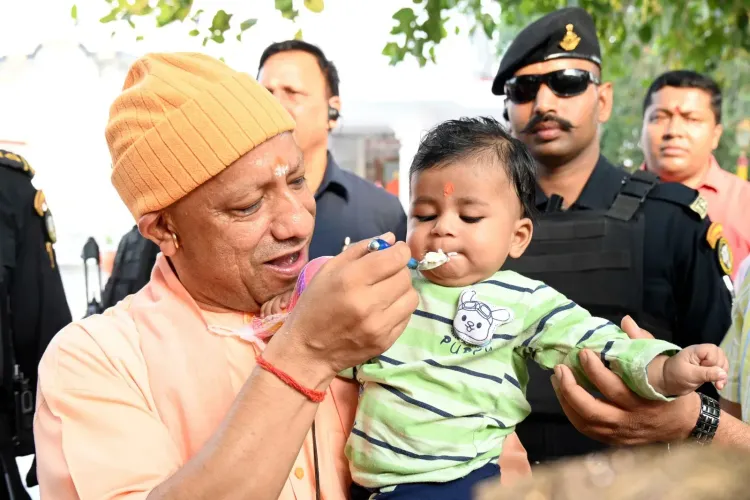
Chief Minister Yogi Adityanath held a Janata Darshan at Gorakhnath Mandir in Gorakhpur on 2 June 2026, hearing grievances from citizens across Uttar Pradesh's districts and directing officers to resolve them promptly — continuing a practice institutionalised since 2017.
Key Takeaways
CM Yogi Adityanath conducted a Janata Darshan at Gorakhnath Mandir , Gorakhpur, on 2 June 2026 .
Citizens from multiple districts across Uttar Pradesh attended to present their grievances directly to the Chief Minister.
Relevant officers were directed to ensure swift and effective resolution of the problems raised.
The Janata Darshan format has been a regular feature of the Yogi Adityanath administration since March 2017 .
The state's CM Helpline 1076 , also launched in 2017, operates as a 24x7 complement to these physical sessions.
Gorakhnath Mandir serves as both the Chief Minister's spiritual base and a hub for direct administrative outreach.
The Chief Minister's Office of Uttar Pradesh announced on Tuesday, 2 June 2026, that Chief Minister Yogi Adityanath held a Janata Darshan (public hearing) at the Gorakhnath Mandir complex in Gorakhpur, listening to grievances brought by citizens from multiple districts across the state and directing officials to resolve them swiftly and effectively.
Context
The post, shared under the hashtag #JantaDarshanUP, states: 'जनविश्वास का सम्मान, जनसमस्याओं का समाधान' — 'Honouring public trust, resolving public problems.' Citizens from various districts (janapadons) of Uttar Pradesh attended the session, presenting their concerns directly to the Chief Minister. Relevant officers were instructed on the spot to ensure prompt and effective resolution.
The Gorakhnath Mandir complex serves as both the spiritual seat of Yogi Adityanath as head priest and an informal centre of administrative outreach, making it a distinctive venue for this form of direct governance.
Policy Backdrop
The Janata Darshan format has been a consistent feature of the Uttar Pradesh government since Chief Minister Yogi Adityanath took office in March 2017. The sessions are held regularly at Gorakhnath Mandir, allowing citizens to bypass departmental layers and place grievances directly before the Chief Minister.
The state also operates the CM Helpline 1076, launched in 2017 as a 24x7 complementary grievance redressal channel. Together, the helpline and the physical Janata Darshan sessions form the twin pillars of the state's citizen-complaint architecture under the current administration.
Stakeholders and Impact
The primary beneficiaries of the Janata Darshan are common citizens — particularly those from rural and semi-urban districts who may lack access to formal administrative channels. By travelling to Gorakhpur, residents from across Uttar Pradesh seek direct intervention on issues ranging from land disputes and welfare entitlements to local infrastructure concerns.
District-level and departmental officers are the secondary stakeholders: they receive real-time directives from the Chief Minister's Office, creating accountability at the field level. The model places visible, top-down pressure on the bureaucracy to act within defined timelines.
What's Next
The frequency and regularity of Janata Darshan sessions will continue to signal the administration's commitment to direct public outreach as a governance tool. Observers will watch whether the CM Office or district administrations publish disposal or resolution rates from the 2 June 2026 session, which would provide a measure of the programme's on-ground effectiveness.
As Uttar Pradesh — India's most populous state — approaches future electoral cycles, the institutionalisation of such visible grievance mechanisms is likely to remain central to the ruling administration's public-connect strategy.
Point of View
The administration projects an image of accessible, personalised governance that conventional bureaucratic channels rarely convey. This model reflects a broader BJP state-level strategy of visible, top-down accountability that simultaneously builds voter connect and applies pressure on district officialdom. With Uttar Pradesh's electoral calendar always in view, the regularity of these sessions serves as a durable symbol of the administration's public-first positioning.
NationPress
18 Oct 2026
Frequently Asked Questions
What is Janata Darshan in Uttar Pradesh?
Janata Darshan is a regular public hearing held by Chief Minister Yogi Adityanath, typically at Gorakhnath Mandir in Gorakhpur, where citizens from across Uttar Pradesh can present their grievances directly to the Chief Minister and receive instructions for resolution.
Where is Gorakhnath Mandir and why is it significant?
Gorakhnath Mandir is a historic temple complex in Gorakhpur, Uttar Pradesh. It is the spiritual headquarters of the Nath sect and the base of Yogi Adityanath, who serves as its head priest. It has become the de facto venue for the Chief Minister's direct public outreach sessions.
When did CM Yogi start holding Janata Darshan sessions?
CM Yogi Adityanath began holding Janata Darshan sessions after taking office in March 2017, making them a consistent feature of his administration's grievance redressal approach.
What is the CM Helpline 1076 in Uttar Pradesh?
The CM Helpline 1076 is a 24x7 citizen grievance redressal platform launched by the Uttar Pradesh government in 2017. It operates alongside physical Janata Darshan sessions as part of the state's dual-channel complaint mechanism.
What happened at the Janata Darshan on 2 June 2026?
On 2 June 2026, Chief Minister Yogi Adityanath held a Janata Darshan at Gorakhnath Mandir in Gorakhpur, where he heard grievances from citizens of various districts and directed concerned officials to resolve the issues swiftly and effectively.