CM Yogi Pays Tribute to Kakori Train Action Heroes
Synopsis
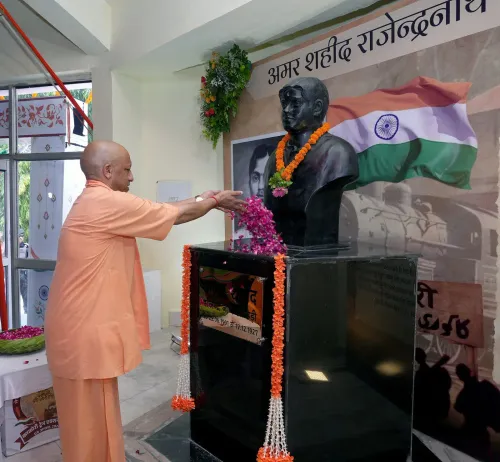
On the 101st anniversary of the Kakori Train Action, Chief Minister Yogi Adityanath offered a solemn tribute to all the revolutionaries involved, honouring their sacrifice in India's armed resistance against British colonial rule — with the 2027 centenary of the martyrs' executions now in view.
Key Takeaways
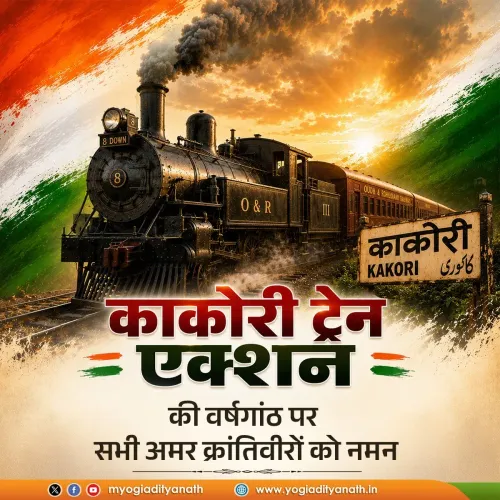
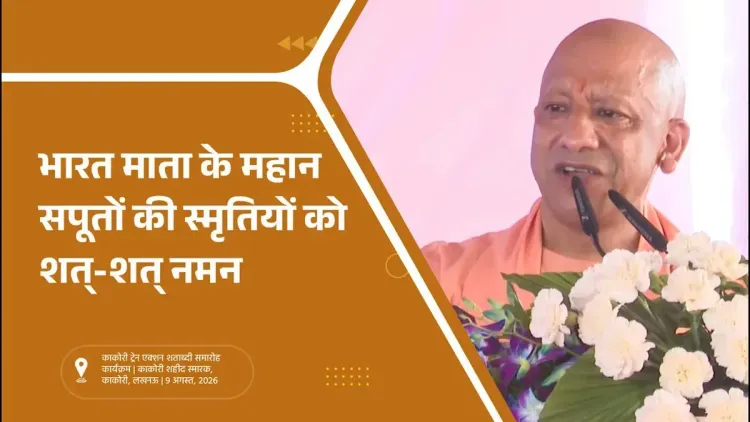
Chief Minister Yogi Adityanath paid tribute to the heroes of the Kakori Train Action on 9 August 2026 , the 101st anniversary of the event.
The Kakori Train Action took place on 9 August 1925 , when members of the Hindustan Republican Association seized British government funds from a train near Kakori, Uttar Pradesh.
Key figures Ram Prasad Bismil and Ashfaqulla Khan were hanged by British authorities in 1927 following the action.
Uttar Pradesh has maintained official memorials and state tributes to the Kakori martyrs since the 1950s , including the Kakori Shaheed Smarak .
The 2027 centenary of the martyrs' executions may prompt new state-level commemorative programmes or memorials in Uttar Pradesh.
A century after British colonial authorities hanged its planners, the Kakori Train Action of 9 August 1925 remains one of the most audacious acts of armed resistance in India's independence struggle — and on Sunday, 9 August 2026, the Chief Minister's Office of Uttar Pradesh marked the anniversary with a solemn tribute from Chief Minister Yogi Adityanath.
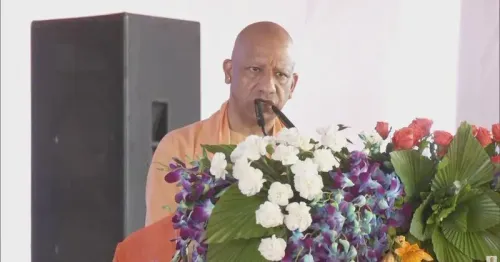
In his message, CM Yogi said: 'Mein Bharat Mata ke mahan saputon, krantikariyon evam swadhinta sangram senanion ki smritiyon ko naman karte hue, Kakori Train Action se jude sabhi mahanayakon ko is avsar par vinamra shraddhanjali arpita karta hoon.' — 'I bow to the memories of the great sons of Mother India, the revolutionaries and freedom fighters, and offer my humble tribute on this occasion to all the heroes associated with the Kakori Train Action.'
What happened at Kakori on 9 August 1925
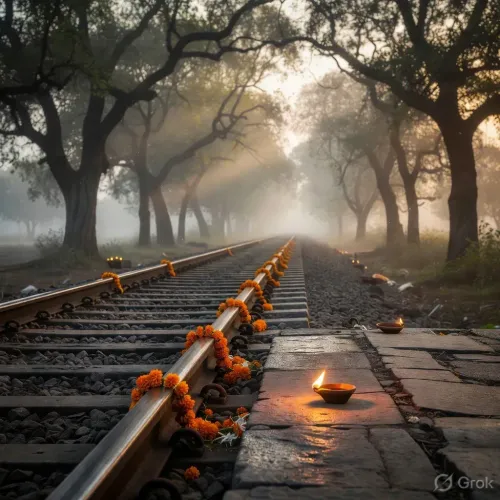
On that date, a group of members of the Hindustan Republican Association stopped a train near the small town of Kakori in present-day Uttar Pradesh and seized British government funds being transported in the guard's van. The operation was meticulously planned as both a financial strike against colonial rule and a political statement that armed resistance was alive in northern India.
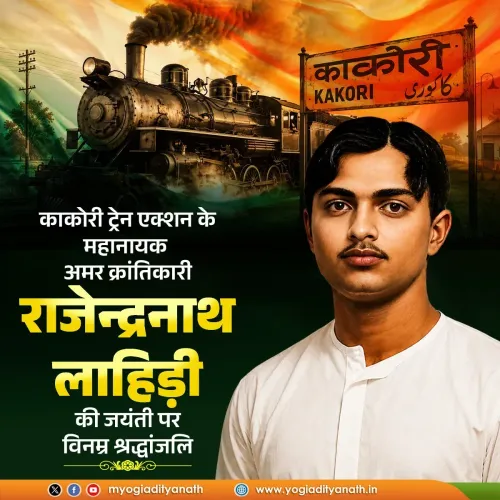
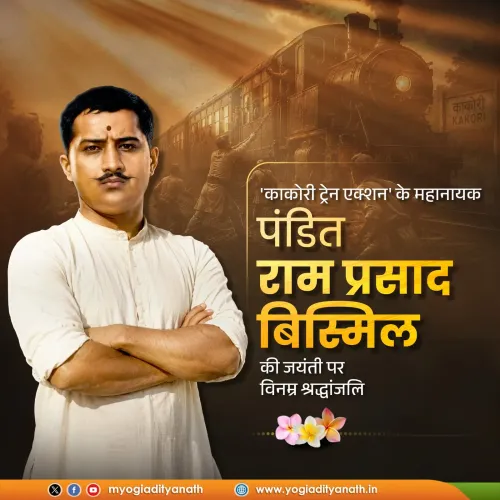
Two names stand at the centre of that event. Ram Prasad Bismil — revolutionary, poet, and principal organiser — and Ashfaqulla Khan, his close associate and one of the action's key participants. Both were arrested, tried, and hanged by British authorities in 1927. Their executions turned them into enduring symbols of sacrifice in the Hindi heartland.
Uttar Pradesh's long memory of its revolutionaries
Official tributes to the Kakori martyrs are not new to Lucknow. Uttar Pradesh governments have marked the anniversary with state ceremonies and memorials since at least the 1950s, including the Kakori Shaheed Smarak erected in their honour. What the current administration has done is place these local revolutionary figures — distinct from the mainstream Gandhian movement — at the centre of the state's historical identity.
With the 2027 centenary of the executions of Bismil and Khan now less than a year away, the tribute carries an added forward charge. State governments across India watch such centenaries as opportunities to announce new memorials, curriculum additions, or commemorative programmes — and Uttar Pradesh, as the state where the action took place, is the natural focal point for whatever the centenary year brings.
A revolution remembered is a revolution that still speaks. The question now is how loudly Uttar Pradesh chooses to let it speak in 2027.
Point of View
This annual tribute is likely to escalate into a larger commemorative push, carrying both cultural and political weight in a state that votes in 2027.
NationPress
23 Sept 2026
Frequently Asked Questions
What was the Kakori Train Action?
The Kakori Train Action took place on 9 August 1925 , when members of the Hindustan Republican Association stopped a train near Kakori in Uttar Pradesh and seized British government funds, in a direct act of armed resistance against colonial rule.
Who were the main leaders of the Kakori Train Action?
Ram Prasad Bismil , a revolutionary poet and principal organiser, and Ashfaqulla Khan , a key participant and his close associate, are the most prominent figures associated with the Kakori action. Both were hanged by British authorities in 1927 .
Why did CM Yogi Adityanath pay tribute to the Kakori heroes on 9 August 2026?
9 August 2026 marks the 101st anniversary of the Kakori Train Action. Chief Minister Yogi Adityanath issued a formal tribute through the Chief Minister's Office of Uttar Pradesh to honour the revolutionaries involved in the historic event.
What is the Kakori Shaheed Smarak?
The Kakori Shaheed Smarak is a state memorial in Uttar Pradesh erected to honour the martyrs of the Kakori Train Action. Uttar Pradesh governments have maintained official tributes and memorials to the Kakori heroes since at least the 1950s .
What is significant about the year 2027 in relation to Kakori?
2027 marks the centenary of the executions of Ram Prasad Bismil, Ashfaqulla Khan, and other Kakori revolutionaries hanged by British authorities in 1927, making it a major commemorative milestone for Uttar Pradesh and the country.