CM Yogi launches ₹495-cr Gorakhpur drain, lays stone for ₹880-cr sewerage plan
Synopsis
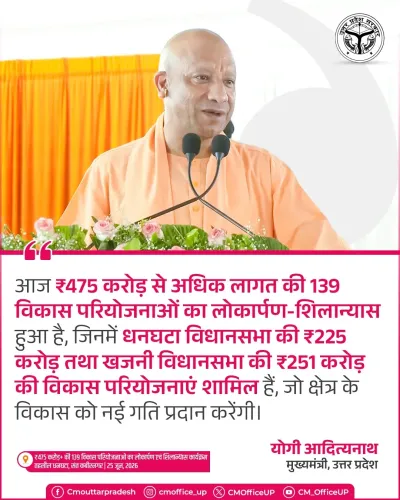
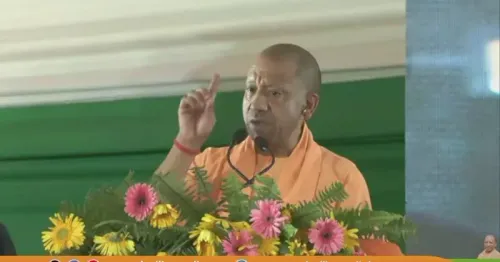
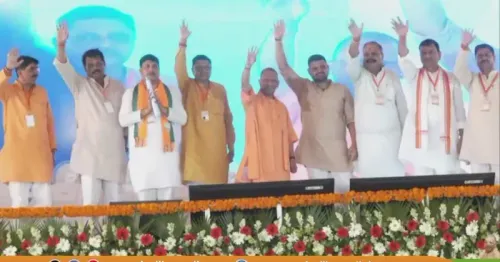
Chief Minister Yogi Adityanath on 1 November 2026 inaugurated Phase-1 of Gorakhpur's Godhoya Nala drainage project at over ₹495 crore and laid foundation stones for a ₹880-crore-plus package covering Phase-2, Sewerage Scheme Zone-A3, and a parallel service road.
Key Takeaways
Phase-1 of the Godhoya Nala project , costing over ₹495 crore , was formally inaugurated by CM Yogi Adityanath in Gorakhpur on 1 November 2026 .
Foundation stones were laid for a combined ₹880-crore-plus package covering Phase-2, Gorakhpur Sewerage Scheme Zone-A3 , and a service road parallel to the nala.
The Godhoya Nala is a key stormwater and drainage channel whose overflow has historically caused seasonal waterlogging in residential areas.
Projects align with national urban missions — Swachh Bharat Mission (2014) and AMRUT (2015) — which fund sewerage and drainage upgrades in tier-2 cities like Gorakhpur.
Gorakhpur is Chief Minister Adityanath's home constituency and the base of the Gorakhnath Math , giving the city particular political salience.
The 2027 monsoon will serve as the first major test of whether Phase-1 improvements reduce waterlogging and sewage overflow incidents.
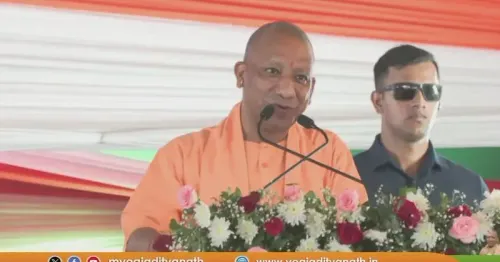
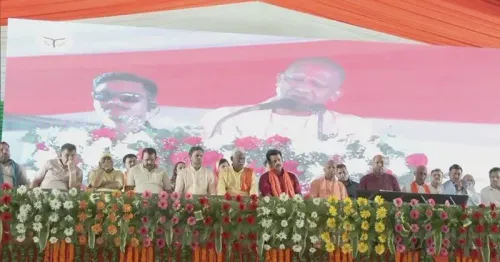
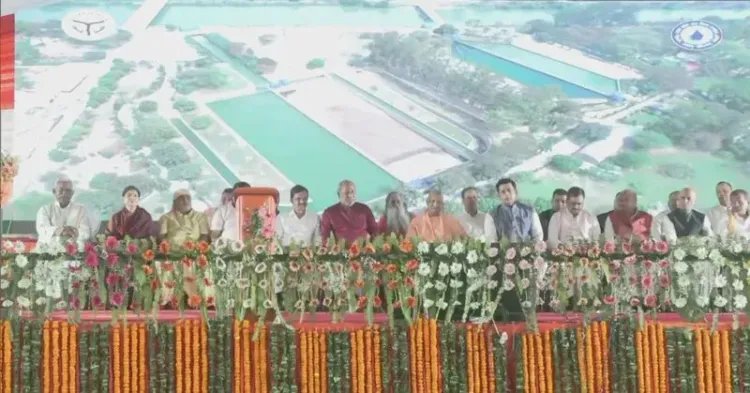
A city that once struggled every monsoon with waterlogging and overflowing sewage just got a landmark infrastructure injection. On Sunday, 1 November 2026, Chief Minister Yogi Adityanath arrived in Gorakhpur to inaugurate Phase-1 of the Godhoya Nala drainage project — built at a cost of over ₹495 crore — and simultaneously laid the foundation stone for a combined ₹880-crore-plus package covering Phase-2, the Gorakhpur Sewerage Scheme Zone-A3, and a proposed service road running parallel to the Godhoya Nala.
What the Godhoya Nala project actually does for Gorakhpur
The Godhoya Nala is a primary drainage channel that has historically been the weak link in Gorakhpur's stormwater management — backing up during peak monsoon rains and sending untreated sewage spilling into residential areas. Phase-1, now formally commissioned, overhauls the channel's carrying capacity, lining and diversion infrastructure at a spend of over ₹495 crore. For the hundreds of thousands of residents in low-lying neighbourhoods along the nala's corridor, that translates directly into fewer waterlogged streets and reduced disease risk each rainy season.
The parallel service road proposed alongside the nala adds an urban-mobility dimension: a new arterial route that relieves pressure on internal roads that currently bear the brunt of traffic trying to skirt the drainage corridor.
₹880 crore more: Phase-2 and Zone-A3 sewerage
The foundation stones laid on Sunday commit the state to a second, larger tranche of work. Phase-2 of the Godhoya Nala will extend and deepen the improvements begun under Phase-1. More consequentially, Gorakhpur Sewerage Scheme Zone-A3 will stitch together a portion of the city that currently lacks a proper sewerage network — laying trunk mains, house connections, and treatment linkages that bring it into the citywide grid.
The combined outlay of over ₹880 crore for these three components is among the largest single urban infrastructure announcements Gorakhpur has seen in recent memory, and signals a deliberate push to close the sanitation gap in eastern Uttar Pradesh's most important city.
National missions behind the funding
These projects sit at the intersection of two flagship national programmes. The Swachh Bharat Mission, launched in 2014, expanded the mandate for urban sanitation infrastructure beyond toilets to include sewerage and waste-water treatment. The Atal Mission for Rejuvenation and Urban Transformation (AMRUT), initiated in 2015, specifically funds sewerage, drainage and urban mobility upgrades in tier-2 cities — and Gorakhpur is on that list. The state government's share stacks on top of central allocations under these schemes, making multi-hundred-crore outlays financially viable.
For Chief Minister Yogi Adityanath, Gorakhpur is not just any city — it is his political and spiritual home base, the seat of the Gorakhnath Math that he heads. Infrastructure investment here carries both governance and personal weight. The announcement also continues a pattern of phased sewerage and drainage upgrades across eastern UP cities that the current administration has pursued to address the twin problems of seasonal flooding and river pollution.
What comes next for the city
The real test will be the 2027 monsoon — the first major rain season after Phase-1 goes fully operational. Residents and urban planners alike will be watching whether the upgraded Godhoya Nala holds, and whether waterlogging complaints in the project's coverage zone drop measurably. Phase-2 and Zone-A3 will have their own commissioning timelines to meet. A city of Gorakhpur's size and historical infrastructure deficit cannot be fixed in a single inauguration — but Sunday's event put serious money and political commitment on the line.
Point of View
Allowing the Chief Minister to show both delivery and pipeline in his home city. The scale of investment, over ₹1,375 crore across both phases, reflects the Yogi administration's broader strategy of concentrating visible urban-infrastructure wins in eastern UP ahead of the political cycle. Embedding these projects within AMRUT and Swachh Bharat frameworks also lets the state government share fiscal risk with the Centre while taking full political credit on the ground. The credibility test, however, will come not at the ribbon-cutting but at the next monsoon — when Gorakhpur residents will judge whether the drainage upgrade actually holds.
NationPress
1 Nov 2026
Frequently Asked Questions
What is the Godhoya Nala project in Gorakhpur?
The Godhoya Nala project is a phased drainage and stormwater management scheme in Gorakhpur designed to upgrade the city's primary drainage channel, reduce seasonal waterlogging, and improve sewage flow. Phase-1, costing over ₹495 crore, was inaugurated on 1 November 2026.
How much money has been announced for Gorakhpur's sewerage and drainage projects?
Over ₹495 crore for Phase-1 of the Godhoya Nala (now inaugurated) and over ₹880 crore for Phase-2, Gorakhpur Sewerage Scheme Zone-A3, and a parallel service road (foundation stone laid on 1 November 2026).
What is AMRUT and how does it relate to the Gorakhpur projects?
AMRUT — the Atal Mission for Rejuvenation and Urban Transformation — is a central government scheme launched in 2015 to fund sewerage, drainage, and urban mobility upgrades in tier-2 cities. Gorakhpur is among the cities covered, and national mission funds combine with state spending on projects like the Godhoya Nala.
Why is Gorakhpur significant for CM Yogi Adityanath?
Gorakhpur is Yogi Adityanath's home city and the seat of the Gorakhnath Math, the religious institution he heads. It has historically been his political and spiritual base, giving infrastructure announcements there particular weight.
When will Phase-2 of the Godhoya Nala be completed?
The foundation stone for Phase-2 was laid on 1 November 2026. Specific completion timelines have not been officially announced yet; the project's progress will be a key metric to watch over the coming years.