CM Yogi targets SP 'goons', cites four-lane road as Dalit justice
Synopsis
CM Yogi Adityanath accused Samajwadi Party 'goons' of humiliating Dalits during the SP's 2012-17 tenure and claimed his government built a four-lane road on the same ground as proof of restored governance and Dalit dignity.
Key Takeaways
CM Yogi Adityanath posted sharp anti-SP rhetoric on 18 November 2026 , accusing SP-era strongmen of humiliating Dalit visitors.
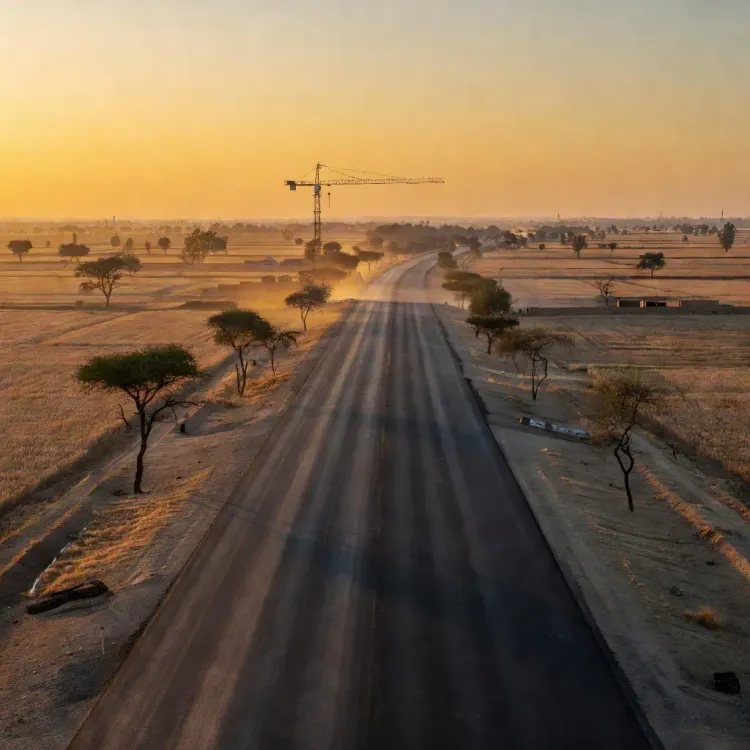
He claimed the BJP government built a four-lane road in the very area where SP 'goons' once operated.
The Samajwadi Party governed Uttar Pradesh from 2012 to 2017 under Akhilesh Yadav.
Road construction has been a core BJP governance narrative in UP since 2017, frequently contrasted with SP-era law-and-order failings.
No specific road project name or location was identified in the post.
The BJP-SP contest over Dalit outreach continues to intensify in UP's political arena.
A road built, he says, over the chest of those who once humiliated Dalits — Uttar Pradesh Chief Minister Yogi Adityanath sharpened his attack on the Samajwadi Party on Wednesday, 18 November 2026, invoking infrastructure as a marker of restored dignity for marginalised communities in the state.
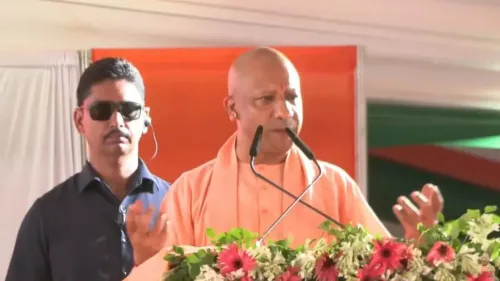
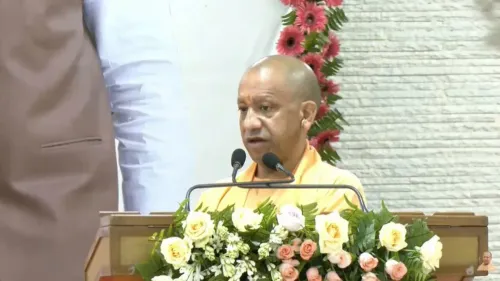
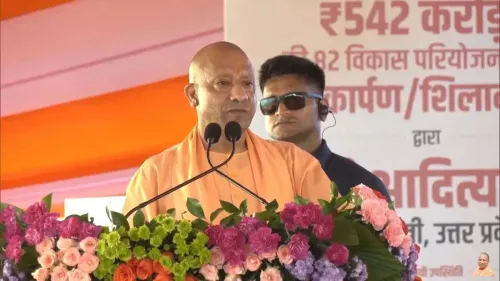
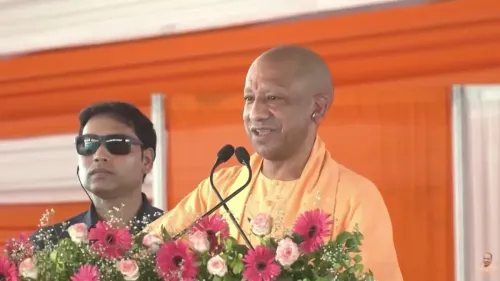
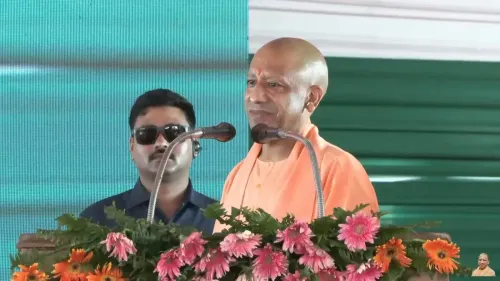
Speaking in Hindi, CM Yogi declared: 'Samajwadi Party ke gunde... deshbhar se aaye hue Daliton ko apmanit karte the...' — 'Samajwadi Party goons used to humiliate Dalits who came from across the country. We climbed on the chests of those very goons and built a four-lane road there.' The language was visceral and deliberate: a physical act of construction framed as a reckoning.
The SP-era allegation and what CM Yogi claims changed
The broadside centres on a familiar BJP charge — that during the Samajwadi Party government from 2012 to 2017 under Akhilesh Yadav, local strongmen with political protection ran roughshod over Dalit pilgrims and visitors. CM Yogi did not name a specific location or incident, but the imagery of Dalits 'coming from across the country' points to a pilgrim or public-gathering context, possibly tied to a religious or social site in UP.
Since taking office in 2017, the Yogi administration has made expressway and four-lane highway construction a centrepiece of its governance narrative. The claim here is that the same corridors where Dalits were once harassed now carry a physical symbol of the state's authority reasserted — tarmac as a trophy of law and order restored.
Caste, roads, and the BJP-SP battleground
The rhetorical move is well-worn but potent in UP's political landscape. Uttar Pradesh, home to India's largest Dalit population, is a state where infrastructure announcements and caste narratives are rarely separated. By folding a road project into a caste-dignity argument, CM Yogi simultaneously claims the development record and the social-justice mantle — two levers that have historically pulled different voter blocs.
The Samajwadi Party has repeatedly rejected such characterisations of its tenure, and the BJP-SP contest over Dalit outreach has only intensified ahead of state electoral cycles. Expect the opposition to push back with its own account of which communities have benefited — or been left behind — under the current administration's infrastructure push.
Four-lane roads rarely make headlines on their own. When they become evidence in a caste argument, that is when UP politics is fully in season.
Point of View
He reinforces the BJP's core narrative that developmental governance and social justice for marginalised communities are inseparable — a frame the party has used effectively since 2017. The absence of a named project or location gives the statement room to resonate broadly rather than invite fact-checking on a specific site. With electoral cycles never far off in India's largest state, such rhetoric is less a news event than a persistent calibration of the BJP-SP caste battleground.
NationPress
18 Nov 2026
Frequently Asked Questions
What did CM Yogi Adityanath say about the Samajwadi Party and Dalits?
CM Yogi accused SP-era strongmen of humiliating Dalit visitors from across India and claimed his government built a four-lane road in the area where those strongmen once held sway, framing the infrastructure as an act of restored dignity.
Which road or location is CM Yogi referring to in his statement?
CM Yogi did not name a specific road project or location in the post; no verifiable link to a particular site can be established from the statement alone.
When did the Samajwadi Party last govern Uttar Pradesh?
The Samajwadi Party governed Uttar Pradesh from 2012 to 2017 under Chief Minister Akhilesh Yadav before losing to the BJP in the 2017 state assembly election.
How has the Yogi government used road construction as a political narrative?
Since coming to power in 2017, the Yogi administration has highlighted expressway and four-lane highway projects as symbols of improved governance and law and order, frequently contrasting them with the preceding SP government's record.
Why does caste politics matter so much in Uttar Pradesh?
Uttar Pradesh has India's largest Dalit population and a deeply layered caste electorate, making caste-based appeals a central feature of competition between the BJP and the Samajwadi Party in every electoral cycle.