CM Yogi Salutes Armed Forces as Shield of India's Sovereignty
Synopsis
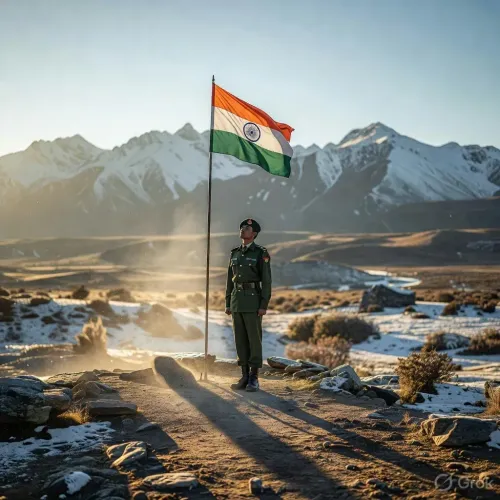
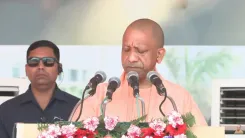
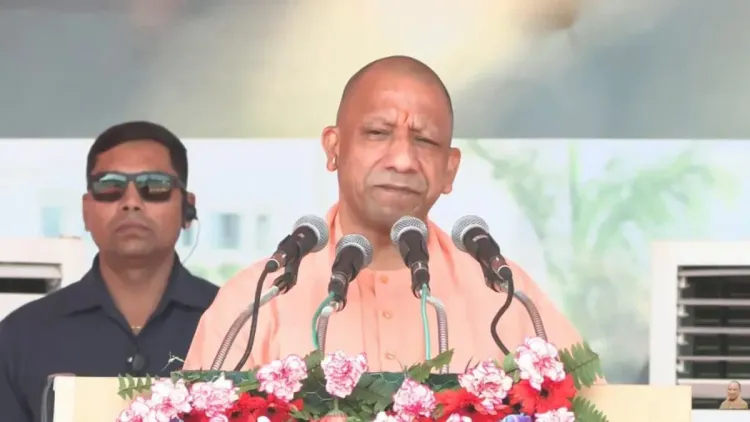
UP Chief Minister Yogi Adityanath honoured India's armed forces on 18 November 2026, calling soldiers the impenetrable armour of national sovereignty and the shield of the honour of crores of mothers and sisters.
Key Takeaways
CM Yogi Adityanath posted a tribute to Indian soldiers on 18 November 2026 .
He described soldiers' valour as 'the shield of the honour of crores of mothers and sisters.' He called the armed forces 'the impenetrable armour of India's sovereignty.' The statement aligns with the BJP's consistent public emphasis on military honour and defence patriotism.
CM Yogi also heads the Gorakhnath Math , blending spiritual and national service narratives.
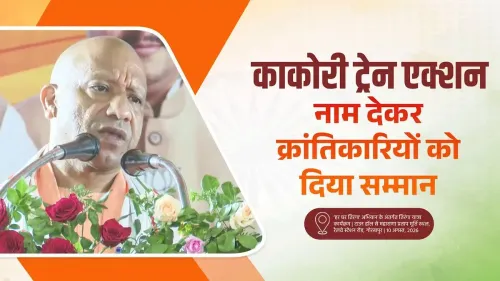
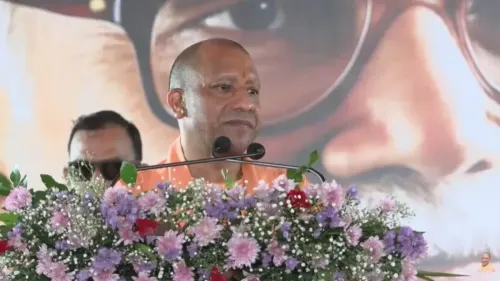
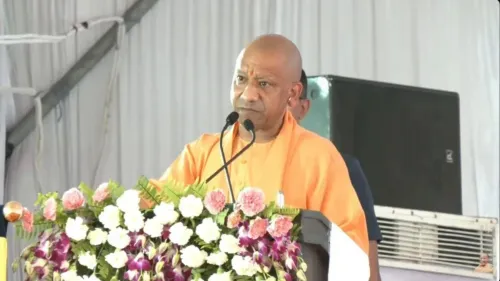
They stand at the edge of the map so everyone else can sleep soundly. Uttar Pradesh Chief Minister Yogi Adityanath paid a stirring tribute to India's soldiers on Wednesday, 18 November 2026, honouring them as the unbreakable armour of the nation's sovereignty and the living shield of the dignity of crores of mothers and sisters.
In a post on X, CM Yogi wrote: 'वीर जवानों का पराक्रम करोड़ों माताओं-बहनों के सम्मान की ढाल है, भारत की संप्रभुता का अभेद्य कवच है...' — translating to: 'The valour of our brave soldiers is the shield of the honour of crores of mothers and sisters, and the impenetrable armour of India's sovereignty.' The ellipsis at the close carries its own weight — a pause that suggests reverence beyond words.
The soldier as protector of home and nation
The imagery CM Yogi invokes is deliberate and layered. Framing the armed forces as guardians of women's honour is a deeply rooted tradition in Indian public discourse — it ties territorial defence to the most intimate social unit, the family. It is a rhetorical bridge between the battlefield and the household, between geopolitical sovereignty and personal dignity.
The Indian Armed Forces — army, navy, and air force — are constitutionally mandated to defend national sovereignty and territorial integrity. Since the 1999 Kargil conflict, successive governments have accelerated defence modernisation, expanding everything from high-altitude warfare capability to indigenous weapons platforms under the 'Make in India' push in defence manufacturing.
BJP's consistent salute to the uniform
This tribute fits a well-established pattern. Leaders within the Bharatiya Janata Party — from the central government to state chief ministers — have consistently framed the military as a cornerstone of national pride and civilisational honour. CM Yogi, who also heads the Gorakhnath Math in Gorakhpur, has long merged the idiom of spiritual service with the vocabulary of national sacrifice in his public communications.
Such statements are not tied to a single incident but speak to a continuous political and cultural emphasis: that the soldier's sacrifice is not merely strategic, but sacred.
When a Chief Minister invokes crores of mothers in the same breath as national sovereignty, he is doing more than praising the army — he is reminding a vast electorate exactly what, and who, stands between safety and threat. That is a message with reach far beyond any single news cycle.
Point of View
Which contributes significantly to the Indian Army's ranks. By coupling territorial sovereignty with women's honour, the message is calibrated to reach both patriotic and social registers simultaneously. It reinforces the party's long-standing political brand: a government that valorises the uniform. With major defence-budget debates and Army Day on the horizon, this kind of messaging also primes public sentiment ahead of institutional moments.
NationPress
18 Nov 2026
Frequently Asked Questions
What did CM Yogi Adityanath say about Indian soldiers?
CM Yogi said the valour of brave soldiers is 'the shield of the honour of crores of mothers and sisters and the impenetrable armour of India's sovereignty,' in a post on 18 November 2026.
Why does Yogi Adityanath frequently pay tributes to the Indian Army?
As a BJP leader and Chief Minister, Yogi Adityanath consistently emphasises defence patriotism and frames the military as central to national honour — a core plank of the party's political communication.
What is the Gorakhnath Math and its connection to CM Yogi?
The Gorakhnath Math is a prominent Hindu monastery in Gorakhpur, Uttar Pradesh. CM Yogi Adityanath serves as its head priest, and his dual identity as a religious leader and Chief Minister informs his public rhetoric on duty and sacrifice.
How does the Indian Army relate to Uttar Pradesh?
Uttar Pradesh is one of India's largest contributors to Army recruitment, making military welfare and tributes to soldiers particularly resonant with voters and families across the state.
What is the significance of framing soldiers as protectors of women's honour?
This framing connects geopolitical defence to the domestic sphere, presenting the soldier's sacrifice as directly shielding families — a rhetorical tradition that amplifies emotional and social resonance in Indian political discourse.