CM Yogi Invokes Sant Ravidas's 650-Year-Old Message for Viksit Bharat
Synopsis
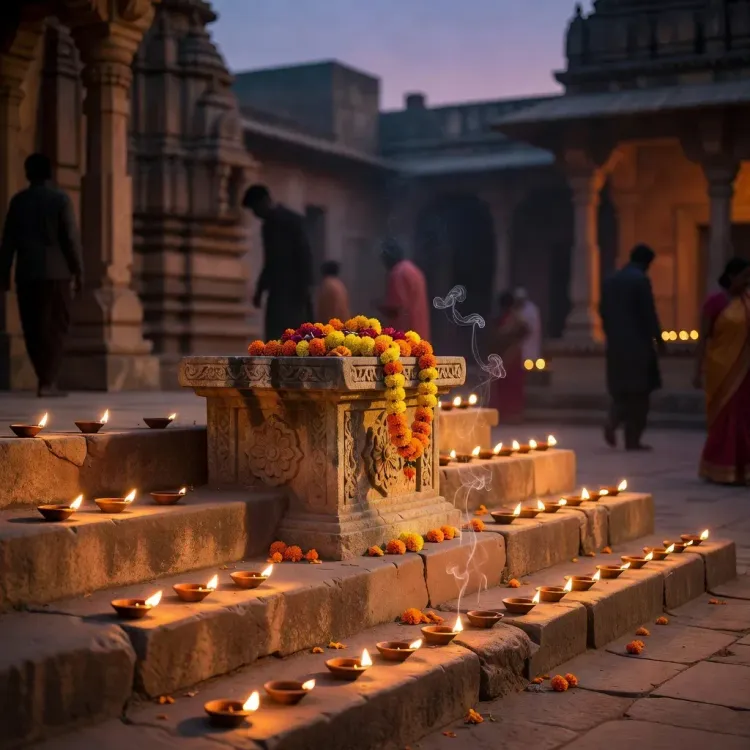
Chief Minister Yogi Adityanath called on every Indian to imbibe Sant Ravidas's 650-year-old teachings on karma and duty, linking the Bhakti saint's legacy to the national Viksit Bharat 2047 vision in a post by the Chief Minister's Office of Uttar Pradesh.
Key Takeaways
The Chief Minister's Office of Uttar Pradesh shared a message from CM Yogi Adityanath on 29 July 2026 invoking Sant Ravidas .
CM Yogi called the teachings of Sant Ravidas — delivered 650 years ago — a responsibility for every true Indian to adopt in daily life.
The message explicitly links Sant Ravidas's doctrine of karma to the Viksit Bharat @2047 national development vision.
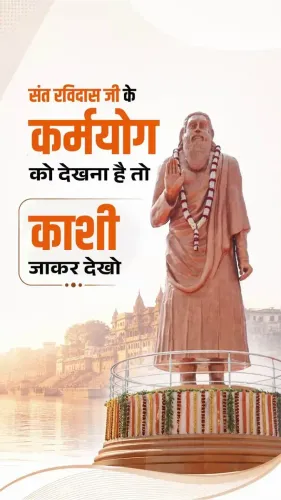
Sant Ravidas was a 15th-16th century Bhakti saint from Varanasi , revered for teachings on social equality and devotion.
The UP BJP government has a consistent pattern of connecting Bhakti-era saints' legacies with contemporary development and social harmony goals.
Six hundred and fifty years after the Bhakti saint Sant Ravidas first articulated his teachings on karma, duty, and human dignity, Chief Minister Yogi Adityanath is asking every Indian to carry that message into the present — and into the national mission of building a developed India by 2047.
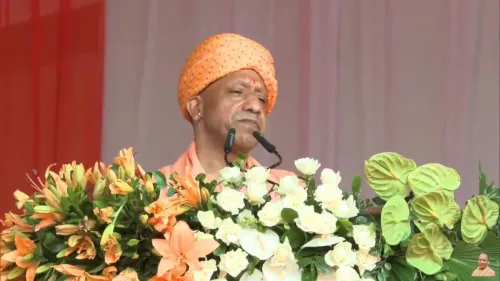
In a post shared by the Chief Minister's Office of Uttar Pradesh on Wednesday, 29 July 2026, CM Yogi declared: 'It is the responsibility of every true Indian to imbibe in their life the message given by Sadguru Ravidas Ji Maharaj 650 years ago. Contribute to realising the resolve of Viksit Bharat through the practice of karma.' The message was attributed directly to Chief Minister Yogi Adityanath.
Who Was Sant Ravidas — and Why His Words Still Cut Deep
Sant Ravidas, born in Varanasi in the 15th-16th century, was one of the most consequential voices of the Bhakti movement — a poet-saint who challenged caste hierarchy and preached that devotion and righteous action, not birth, defined a person's worth. His verses found their way into the Guru Granth Sahib, and his followers — the Ravidassia community — span millions across Uttar Pradesh, Punjab, and the Indian diaspora worldwide.
His core teaching: karma as spiritual discipline, not fate. That framing is precisely what CM Yogi is reaching for — linking a medieval saint's call to purposeful action with the central government's Viksit Bharat @2047 vision.
Viksit Bharat as the Bridge Between Past and Future
The Viksit Bharat framework — a developed India by the centenary of Independence — was publicly articulated by Prime Minister Narendra Modi in 2022 and has since become a cornerstone of state-level outreach across BJP-governed states. Uttar Pradesh, India's most populous state, has been among the most active in weaving this national vision into local campaigns.
CM Yogi's invocation of Sant Ravidas is consistent with a deliberate pattern: the UP government has repeatedly drawn on the legacy of Bhakti-era saints — figures who preached social equality and duty — to build a narrative that development and spiritual heritage are not in tension but in alignment. It is a politically resonant move in a state where Ravidassia devotees form a significant electoral and social constituency.
A Saint's Constituency, a State's Ambition
For the millions of Sant Ravidas's devotees across Uttar Pradesh and beyond, the Chief Minister's message carries both cultural affirmation and a civic call to action. The framing — 'every true Indian' bears this responsibility — broadens the appeal beyond any single community, positioning the saint as a unifying national figure rather than a sectarian one.
Whether this moment is anchored to a specific commemoration or state scheme is not confirmed, but the signal is clear: Lucknow intends to keep Sant Ravidas's legacy at the centre of its development and social harmony messaging.
Six centuries on, a cobbler-saint's call to righteous work is being drafted into the blueprint for a modern superpower. Whether that bridge holds is the question UP's government is betting on.
Point of View
The message simultaneously appeals to the large Ravidassia community in Uttar Pradesh and positions the ruling party as the custodian of India's pluralist spiritual inheritance. It is soft power politics executed through devotional language — a formula that has proved durable in UP's electoral and cultural landscape.
NationPress
13 Sept 2026
Frequently Asked Questions
What did CM Yogi Adityanath say about Sant Ravidas?
CM Yogi Adityanath said it is the responsibility of every true Indian to imbibe the message given by Sant Ravidas 650 years ago and to contribute to realising the Viksit Bharat vision through the practice of karma.
Who was Sant Ravidas?
Sant Ravidas was a 15th-16th century Bhakti saint and poet from Varanasi who taught social equality, devotion, and the primacy of righteous action over caste. His verses are included in the Guru Granth Sahib.
What is Viksit Bharat 2047?
Viksit Bharat, or 'Developed India', is a national vision articulated by Prime Minister Narendra Modi in 2022 that aims to make India a fully developed nation by 2047, the centenary of Independence.
Why does the UP government frequently reference Bhakti saints?
The Uttar Pradesh BJP government regularly connects Bhakti-era saints' teachings on duty and equality with current development goals, building a narrative that spiritual heritage and national progress are aligned — a message with broad cultural and electoral resonance in the state.
What is the significance of the 650-year reference to Sant Ravidas?
CM Yogi's message references Sant Ravidas's teachings as being 650 years old, underscoring the enduring relevance of his philosophy of karma and duty. The exact anniversary context has not been officially confirmed.