CM Rekha Gupta Slams Nov 1 Rally Over ₹10,000 Cr Trade Loss Fear
Synopsis
Delhi Chief Minister Rekha Gupta on October 28 slammed a proposed November 1 opposition rally in Delhi, citing a ₹10,000 crore trader-loss estimate and ignoring a CTI appeal to postpone it past Bhai Dooj, issuing a sharp political warning to Congress and Rahul Gandhi.
Key Takeaways
Delhi CM Rekha Gupta publicly attacked Rahul Gandhi on October 28, 2026 over a planned November 1 opposition rally in the capital.
She cited apprehensions of approximately ₹10,000 crore in losses to Delhi's trade during the Diwali-Bhai Dooj peak season.
The Chamber of Trade and Industry (CTI) had reportedly requested the rally be postponed until after Bhai Dooj — a plea Gupta says the Congress ignored.
Gupta accused the INDIA alliance of placing political ambition above traders' livelihoods during a critical festival window.
She declared Congress would not return to power for 30 years and warned of electoral consequences if festival disruptions continue.
The hashtag #SaveDemocracyRemoveAnarchy positions the post as a direct counter to the opposition's stated 'Save Democracy' rally narrative.
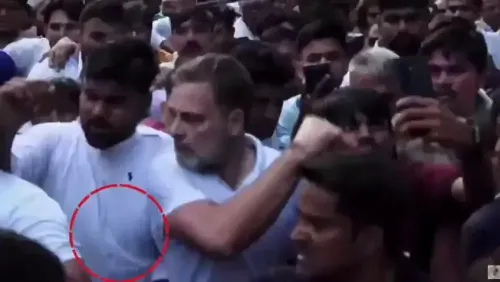
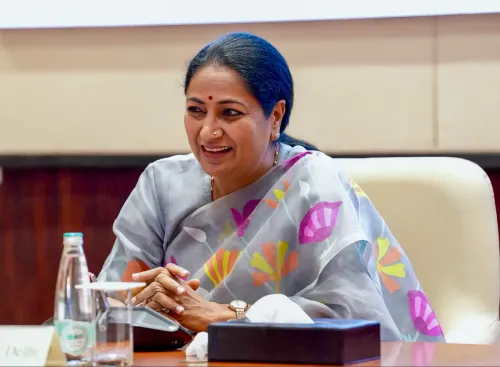
With Diwali festivities still in the air and Bhai Dooj days away, Delhi Chief Minister Rekha Gupta has fired a sharp broadside at Congress leader Rahul Gandhi, accusing the opposition of scheduling a November 1 rally in the capital that could cost Delhi's traders an estimated ₹10,000 crore in lost business — and doing so with what she called complete disregard for their livelihoods.
A Festival Season Flashpoint
In a post on X on Wednesday, October 28, the Chief Minister did not mince words. 'दिल्ली आपके राजनीतिक तमाशों की प्रयोगशाला नहीं है' ('Delhi is not a laboratory for your political spectacles'), she wrote, directly addressing Gandhi and warning that traders' patience must not be mistaken for weakness.
At the heart of her objection is the timing: November 1 falls immediately before or during the extended Diwali-Bhai Dooj commercial window — historically one of the busiest trading periods of the year for Delhi's dense network of markets, wholesale hubs, and small businesses. The post argues that the rally, under the INDIA alliance banner she derides as the 'INDI ठगबंधन' ('INDI Thug Alliance'), prioritises political positioning over the seasonal earnings of 'lakhs of traders.'
CTI's Postponement Appeal Goes Unheard, Gupta Says
Gupta specifically highlights an appeal from the Chamber of Trade and Industry (CTI), a prominent Delhi-based trade body, which had publicly requested that the rally be held after Bhai Dooj to protect festival commerce. According to her post, that appeal has been ignored. The CTI has in previous years been vocal about protecting peak-season trade from disruptions caused by large-scale political mobilisations in the capital.
The ₹10,000 crore loss figure she cites has not been independently verified, but the broader concern — that a major rally drawing hundreds of thousands of people into central Delhi chokes supply chains, footfall, and logistics — is one trade associations have raised consistently around festival periods. Gupta's post frames the figure as a projection 'being expressed' rather than a confirmed number, attributing it to apprehensions within the trade community.
A Pointed Political Warning
The Chief Minister's closing salvo is unambiguous and deliberately provocative. She declares that Congress will not return to power 'for the next 30 years' and warns that if the party continues 'obstructing the joys of our festivals to salvage its sinking politics, the public will finish off whatever remains of Congress's political existence.' The hashtag #SaveDemocracyRemoveAnarchy — pointedly inverting the opposition's own 'Save Democracy' framing — frames the entire post as a counter-narrative to the rally's stated purpose.
The exchange is part of a well-established pattern: ruling and opposition parties in India routinely clash over the timing, location, and commercial impact of large Delhi rallies, with the festival calendar frequently becoming a fault line. What gives this particular round sharper edges is the specific trade-body citation, the crore-level loss estimate, and the fact that it comes from the sitting Chief Minister of the city where the rally is planned.
Whether Rahul Gandhi or the Congress party responds, and whether Delhi authorities impose any conditions on the November 1 gathering, will determine how this confrontation escalates in the days before the event.
Point of View
Gupta shifts the debate from democratic protest rights to economic harm — terrain far more uncomfortable for the opposition during Diwali week. The unverified ₹10,000 crore figure, whether or not it is eventually substantiated, does political work the moment it enters circulation, anchoring the narrative around trader welfare rather than Congress's chosen 'Save Democracy' framing. The 30-year Congress-out prediction is deliberately extravagant — designed less as forecast than as a provocation that forces the opposition to respond, keeping the rally's symbolism clouded by a row over market disruption. In a city where the BJP needs to maintain its trader-constituency alignment, this kind of pre-emptive framing is as much coalition management as it is political attack.
NationPress
28 Oct 2026
Frequently Asked Questions
Why is Rekha Gupta opposing the November 1 rally in Delhi?
Delhi Chief Minister Rekha Gupta says the November 1 Congress-INDIA alliance rally falls during the Diwali-Bhai Dooj festival period and could cause an estimated ₹10,000 crore in losses to Delhi traders, whose peak seasonal business would be disrupted by the event.
What did CTI ask about the November 1 Delhi rally?
The Chamber of Trade and Industry (CTI), a Delhi-based trade body, appealed for the rally to be held after Bhai Dooj so that merchants could complete their peak festival-season trading without disruption. Gupta claims this appeal has been ignored by the organisers.
What is the ₹10,000 crore figure Rekha Gupta mentioned?
Gupta cited ₹10,000 crore as the projected business loss for Delhi traders if the November 1 rally proceeds during the Diwali-Bhai Dooj window. The figure reflects apprehensions expressed by the trading community and has not been independently verified.
What is the INDI alliance or INDIA alliance rally on November 1 about?
The November 1 rally is a proposed political mobilisation by the INDIA opposition alliance, which includes the Indian National Congress. The alliance has branded it as a 'Save Democracy' protest; Gupta disputes this characterisation, calling it a political spectacle damaging to Delhi's commerce.
What did Rekha Gupta say about Congress returning to power?
In her October 28 post, Gupta declared that Congress will not return to power 'for the next 30 years' and warned that if the party keeps disrupting festivals for political purposes, the public will eliminate whatever remains of its political existence.