CM Yogi Links UP's Development to BJP Voter Support
Synopsis
Uttar Pradesh Chief Minister Yogi Adityanath has linked the state's development, welfare, heritage and employment gains directly to voters who chose the BJP's lotus symbol, reinforcing the party's governance narrative ahead of the 2027 assembly elections.
Key Takeaways
CM Yogi Adityanath posted on X on 6 June 2026 crediting BJP voters for enabling governance outcomes in Uttar Pradesh .
The post lists four areas: development projects, welfare for the poor, heritage-linked work, and jobs for youth.
The message directly ties delivery of public goods to voters pressing the BJP's lotus symbol at the ballot box.
The BJP has governed Uttar Pradesh continuously since 2017 , winning re-election in 2022 on its development record.
The next state assembly elections are due in 2027 , making this messaging politically significant.
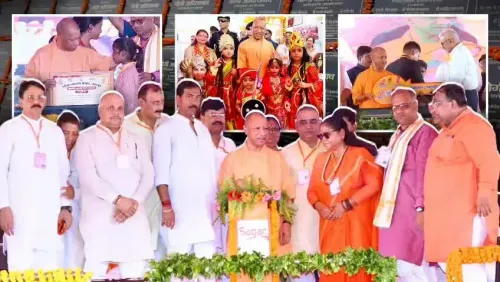
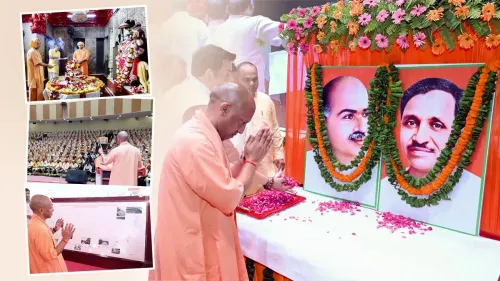
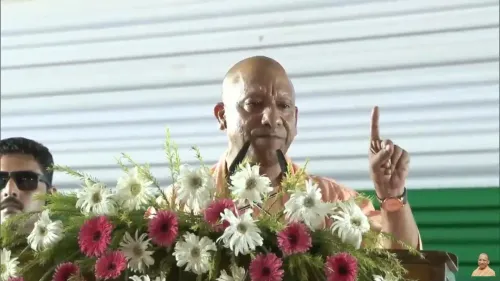
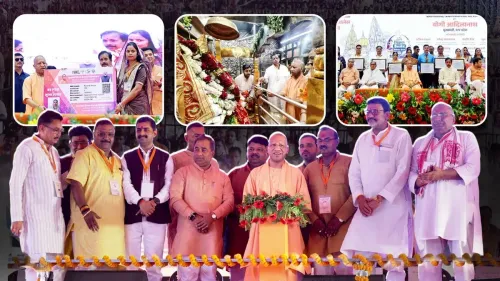
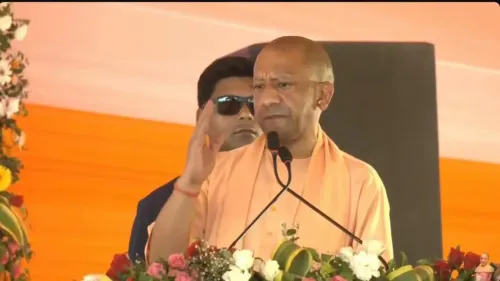
The post was accompanied by a video, indicating it is part of a broader outreach effort.
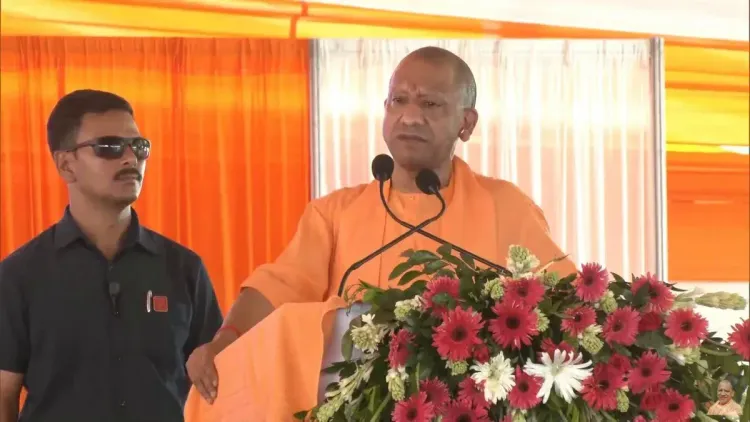
Uttar Pradesh Chief Minister Yogi Adityanath on Saturday, 6 June 2026, credited voters who chose the Bharatiya Janata Party's lotus symbol at the ballot box for enabling development, welfare, heritage and employment initiatives across the state.
Context
In a post on X, CM Yogi listed four pillars of his government's work — development projects, welfare for the poor, heritage-linked initiatives, and jobs for youth — and tied their delivery directly to electoral choice. The original Hindi reads: 'यह तब संभव हो पा रहा है, जब आपने कमल का बटन दबाया' ('This is becoming possible because you pressed the lotus button'). The message is addressed to voters of Uttar Pradesh, India's most populous state.
The lotus is the official election symbol of the Bharatiya Janata Party. The post carries a video attachment, suggesting it may be part of a wider outreach campaign, though the contents of the video were not independently described in available information.
Policy Backdrop
The BJP first came to power in Uttar Pradesh in 2017, installing Yogi Adityanath as Chief Minister. That government launched a series of infrastructure, anti-poverty and cultural conservation programmes. A second consecutive term followed the 2022 state assembly elections, during which the party campaigned on its delivery record.
Since 2017, the state has seen accelerated investment in roads, power supply and housing, alongside targeted poverty alleviation schemes and restoration of heritage and religious sites. Employment programmes for youth have also featured prominently in successive state budgets. CM Yogi heads the Gorakhnath Math in Gorakhpur and has consistently woven cultural identity into governance messaging.
Stakeholders and Impact
The primary beneficiaries named implicitly in the post are low-income households benefiting from welfare schemes and unemployed youth seeking state-backed employment. Both groups are significant electoral constituencies in Uttar Pradesh, a state of over 240 million people.
The framing — that governance outcomes are a direct return on a voter's electoral choice — is a recurring BJP communications strategy used in states under its rule. By linking visible public goods to the act of voting for the party, the message reinforces a transactional accountability narrative ahead of future electoral cycles.
What's Next
With the next Uttar Pradesh assembly elections due in 2027, political observers will watch whether the state government accelerates announcements on employment missions and welfare scheme expansions. The current post signals that the BJP intends to campaign on its cumulative governance record, using development, welfare, heritage and jobs as the four pillars of its pitch to voters.
Point of View
The messaging suggests the party intends to run on its cumulative nine-year record rather than a new agenda. The four pillars — development, welfare, heritage and jobs — mirror the themes that anchored the 2022 campaign, indicating strategic continuity.
NationPress
20 Sept 2026
Frequently Asked Questions
What did CM Yogi Adityanath post on 6 June 2026?
CM Yogi Adityanath posted on X crediting voters who chose the BJP's lotus symbol for making possible development projects, welfare for the poor, heritage conservation and youth employment in Uttar Pradesh.
What is the lotus button CM Yogi referred to?
The lotus is the official election symbol of the Bharatiya Janata Party. Pressing the 'lotus button' refers to voting for the BJP in elections.
How long has Yogi Adityanath been Chief Minister of Uttar Pradesh?
Yogi Adityanath has been Chief Minister of Uttar Pradesh since March 2017, when the BJP first won the state assembly elections. He was re-elected for a second term after the 2022 assembly elections.
What are the main governance areas CM Yogi highlighted?
CM Yogi highlighted four areas: development works, welfare programmes for the poor, heritage-linked projects, and employment opportunities for youth.
When are the next Uttar Pradesh assembly elections?
The next Uttar Pradesh assembly elections are due in 2027. Political analysts view the current messaging as early groundwork for that electoral cycle.