CM Yogi Meets Japan Envoy at UPITS 2026, Eyes Investment and Buddhist Ties
Synopsis
Chief Minister Yogi Adityanath sat down with Japan's Ambassador ONO Keiichi and JETRO India's top official at UPITS 2026 on September 25, pushing UP-Japan economic cooperation and spotlighting the Sarnath-Nara Buddhist heritage link as a diplomatic and tourism asset.
Key Takeaways
CM Yogi Adityanath met H.E.
ONO Keiichi , Japan's Ambassador to India, and Daisaku Yukita of JETRO India on September 25, 2026 .
The roundtable was held on the sidelines of the UP International Trade Show 2026 (UPITS 2026) .
Talks covered economic development , investment promotion , and cultural exchange between Uttar Pradesh and Japan.
A key focus was strengthening ties between Sarnath (UP) and Nara Prefecture (Japan) as shared Buddhist heritage symbols.
JETRO India 's direct participation signals active trade and investment facilitation, not merely diplomatic formality.
UP has pursued Japanese investment systematically since 2018 through investor summits and trade platforms.
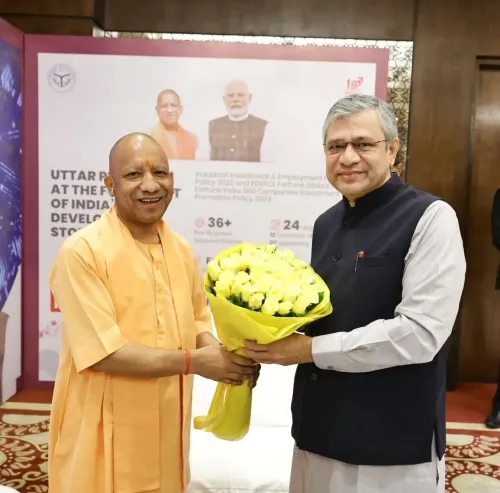
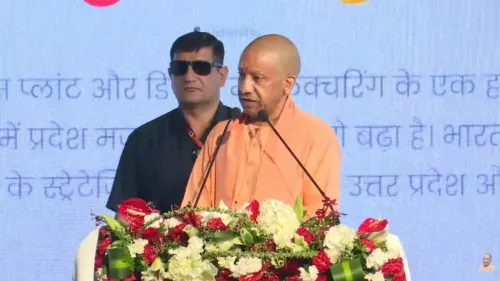
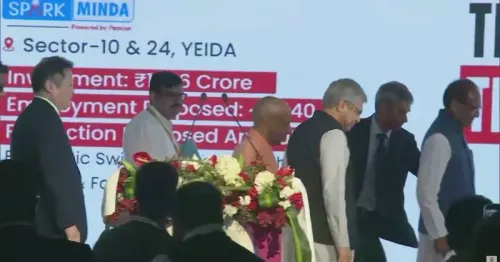
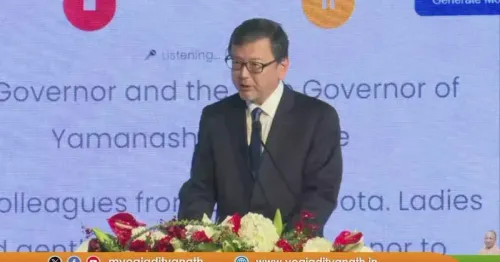
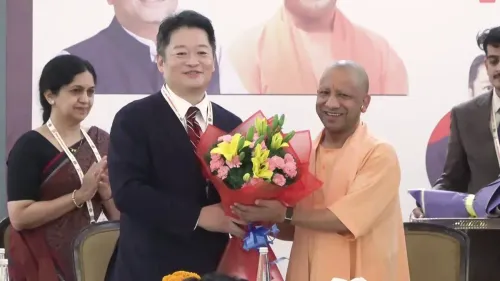
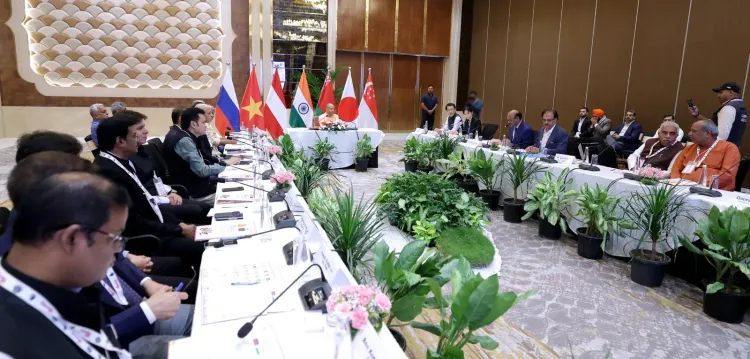
Two ancient Buddhist capitals — one in the heartland of India, one in the hills of Japan — sat at the centre of a high-stakes diplomatic conversation in Uttar Pradesh on Friday, September 25, 2026. Chief Minister Yogi Adityanath met H.E. Mr. ONO Keiichi, Japan's Ambassador to India, and Mr. Daisaku Yukita, Chief Director General of JETRO India, at a roundtable on the sidelines of the UP International Trade Show 2026 (UPITS 2026) — weaving economic ambition together with civilisational heritage in a single sitting.
What Was on the Table at UPITS 2026
The roundtable covered three distinct but interlocking tracks: economic development, investment promotion, and cultural exchange. JETRO India — the Japan External Trade Organization's on-ground arm for facilitating Japanese business into Indian markets — was directly represented, signalling that the conversation went well beyond protocol courtesies. With Japan consistently ranking among India's top sources of foreign direct investment, UP's pitch carries real weight.
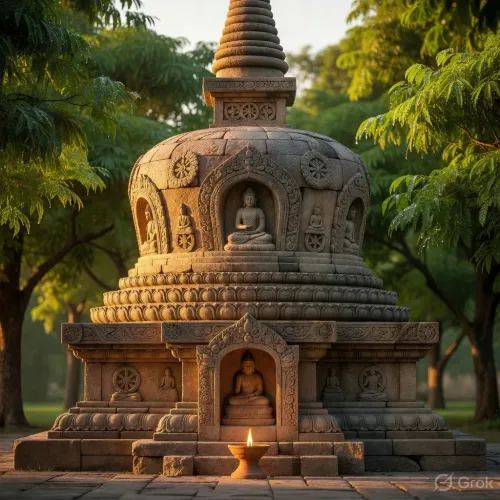
The Chief Minister's Office confirmed that the talks also addressed 'strengthening ties between Sarnath and Nara Prefecture as symbols of the shared Buddhist heritage of India and Japan.' That framing is deliberate. Sarnath, where Gautama Buddha delivered his first sermon in the deer park more than 2,500 years ago, is one of the four holiest sites in Buddhism. Nara Prefecture, home to some of Japan's oldest Buddhist temples, occupies an equivalent place in Japanese religious memory. Linking them is soft power diplomacy at its most elegant.
UP's Japan Strategy: Investment Summits and the Buddhism Corridor
This meeting did not emerge from a vacuum. Uttar Pradesh has been systematically courting Japanese capital since at least 2018, when the state began hosting dedicated investor summits to put UP on the map for foreign companies. The UPITS series is a direct extension of that strategy — a structured platform where government officials and international trade bodies can move from intent to pipeline in a single forum.
Japan's engagement with UP is also shaped by the broader India-Japan Special Strategic and Global Partnership, under which Japanese infrastructure and manufacturing investment into India has deepened considerably. For UP, a state of over 240 million people with growing logistics, electronics, and defence manufacturing zones, the alignment of interests is sharp. Sांस्कृतिक आदान-प्रदान (cultural exchange) amplifies that economic case — Japanese investors in Buddhist heritage circuits bring both tourism revenue and diplomatic goodwill.
Sarnath-Nara: The Soft-Power Thread Running Through Hard Economics
The explicit mention of the Sarnath-Nara Prefecture relationship is the detail worth watching most closely. Sister-city and sister-region frameworks between Indian Buddhist sites and Japanese counterparts have historically unlocked cultural funding, tourism infrastructure investment, and people-to-people exchange programmes. A formalised or deepened Sarnath-Nara tie could attract Japanese philanthropic and governmental support for heritage conservation at one of UP's most visited pilgrimage destinations.
Whether Friday's roundtable produces concrete investment announcements or a cultural MoU in the days ahead will be the real measure of the meeting's weight. The framework, at least, is firmly in place.
Point of View
Leveraging the India-Japan Strategic Partnership at the state level in a way few other chief ministers have attempted. JETRO India's presence at the table is significant: it moves the conversation from diplomatic courtesy toward actionable trade pipelines. The Sarnath-Nara framing, if formalised, could become a template for how Indian states use heritage diplomacy to secure both tourism infrastructure and foreign goodwill simultaneously.
NationPress
25 Sept 2026
Frequently Asked Questions
What was discussed between CM Yogi and Japan's Ambassador at UPITS 2026?
The roundtable focused on deepening Uttar Pradesh-Japan cooperation in economic development, investment promotion, cultural exchange, and strengthening ties between Sarnath and Nara Prefecture as shared Buddhist heritage symbols.
Who is JETRO India and why was it at the meeting?
JETRO (Japan External Trade Organization) is Japan's government-backed agency for promoting trade and investment between Japan and other countries. Its Chief Director General for India, Daisaku Yukita , attended the roundtable to explore concrete investment facilitation opportunities for Japanese companies in Uttar Pradesh.
What is the significance of Sarnath-Nara Prefecture ties?
Sarnath in Uttar Pradesh is where Gautama Buddha delivered his first sermon, while Nara Prefecture in Japan is home to ancient Buddhist temples — making both sites central to Buddhist heritage. Strengthening ties between them supports heritage tourism, cultural exchange programmes, and people-to-people diplomacy between India and Japan.
What is the UP International Trade Show 2026?
The UP International Trade Show (UPITS 2026) is a platform organised by the Uttar Pradesh government to showcase investment opportunities and foster international trade partnerships, part of the state's ongoing strategy to attract foreign direct investment since 2018.
Has Uttar Pradesh previously attracted Japanese investment?
Yes. Uttar Pradesh has been courting Japanese investment since at least 2018 , hosting dedicated investor summits as part of a broader state strategy to attract foreign capital, particularly in manufacturing, logistics, and heritage tourism sectors.