CM Yogi Links UP's Ancient Heritage to Japan Ties
Synopsis
Chief Minister Yogi Adityanath framed Uttar Pradesh-Japan ties as rooted in shared civilizational heritage, invoking the Solar Dynasty, Ram, Krishna and Buddha alongside Japan's 'Rising Sun' identity, while positioning UP as a land of unlimited modern potential.
Key Takeaways
CM Yogi Adityanath described Uttar Pradesh as the Land of Suryavansh, Shri Ram, Shri Krishna, Buddha, and Unlimited Potential in a statement on 19 August 2026 .
He drew a direct parallel between Japan's 'Land of the Rising Sun' identity and UP's Solar Dynasty ( Suryavansh ) heritage.
Key Buddhist sites Sarnath and Kushinagar , both in Uttar Pradesh, form the backbone of India's Buddhist tourism outreach to Japan.
Indian governments have promoted a Buddhist heritage circuit in UP targeting East Asian visitors since the early 2000s.
The statement bundles ancient cultural diplomacy with a contemporary pitch for UP as an economic and investment destination.
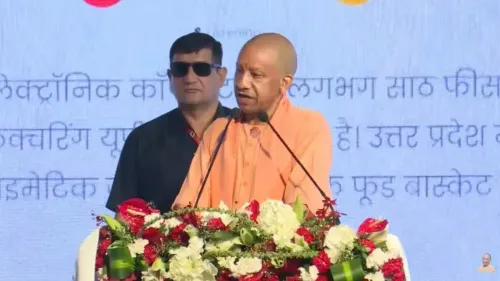
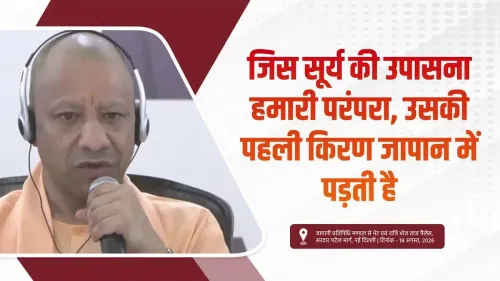
Two civilizations, one ancient thread. Chief Minister Yogi Adityanath invoked Uttar Pradesh's deepest cultural roots on Wednesday, 19 August 2026, framing the state's bond with Japan not as a modern diplomatic convenience but as something far older — a shared reverence for the light of civilization itself.
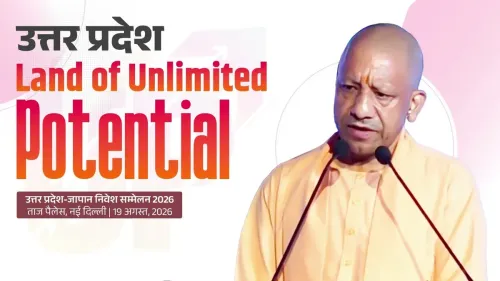
Speaking in a statement shared by the Chief Minister's Office of Uttar Pradesh, CM Yogi drew a pointed parallel: 'Japan Land of the Rising Sun hai aur Uttar Pradesh Land of Suryavansh' — Japan is the Land of the Rising Sun, while Uttar Pradesh is the Land of the Solar Dynasty. He went further, calling the state the Land of Shri Ram, the Land of Shri Krishna, the Land of Buddha, and, with a nod to contemporary ambition, the Land of Unlimited Potential.
Suryavansh, the Rising Sun, and a Civilizational Mirror
The rhetorical architecture here is deliberate. The Solar Dynasty — Suryavansh — is the legendary lineage from which Lord Ram descends, rooted in Ayodhya, now the site of a newly consecrated temple that has become a focal point of Indian cultural identity. Japan's own imperial tradition venerates the sun goddess Amaterasu, and the country's very name translates as 'origin of the sun.' CM Yogi's framing collapses centuries of geographic distance into a single symbolic equation: two sun-rooted civilizations, facing each other across the Indian Ocean.Buddhism as the Original Bridge
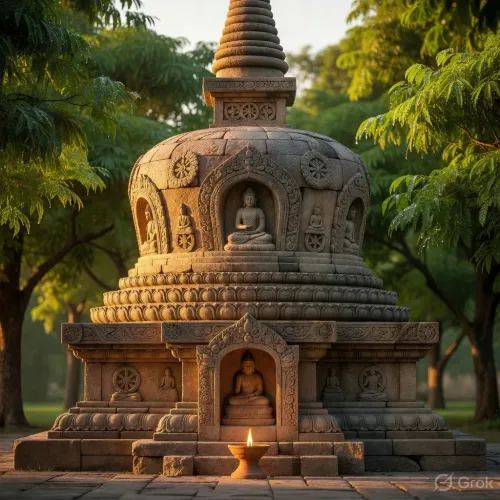
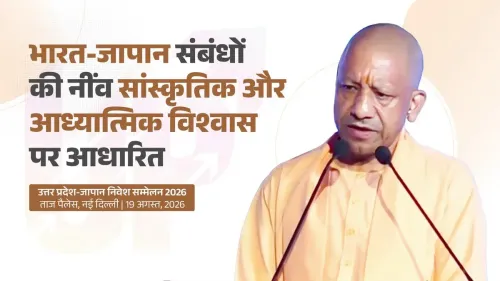
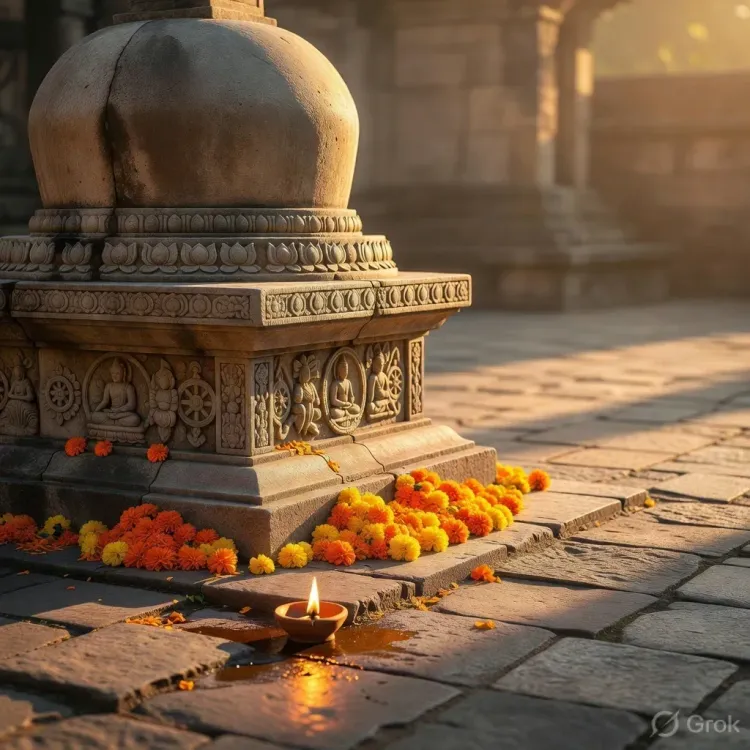
The Buddha connection is where history backs the rhetoric most firmly. Sarnath, near Varanasi, is where the Buddha delivered his first sermon. Kushinagar is where he attained Mahaparinirvana. Both sites sit inside Uttar Pradesh. Buddhism reached Japan via the Korean peninsula in the 6th century CE, and today Japan remains one of the world's most significant Buddhist nations. Indian governments have, since the early 2000s, actively promoted a Buddhist heritage tourism circuit through Uttar Pradesh precisely to draw pilgrims and cultural tourists from Japan and other East Asian countries — a policy lineage CM Yogi's statement fits squarely within.Spiritual Heritage Meets Industrial Ambition
The phrase 'Land of Unlimited Potential' is the modern pivot in an otherwise ancient argument. Uttar Pradesh has simultaneously pursued Japanese industrial investment alongside its cultural diplomacy — positioning the state not just as a pilgrimage destination but as an emerging economic zone. By bundling the two in a single statement, CM Yogi signals that the civilizational relationship is also meant to carry commercial weight. The kicker: when a Chief Minister reaches back four thousand years to frame a bilateral relationship, he is not just celebrating heritage — he is building a brand, and Uttar Pradesh is betting that its ancient identity is its sharpest modern asset.Point of View
Now amplified by the post-Ayodhya consecration moment that has sharpened the state's Hindu heritage brand. The 'Unlimited Potential' addendum signals that cultural identity is being consciously packaged as an economic pitch. Whether this framing translates into measurable tourism or investment outcomes will be the real test of the strategy.
NationPress
3 Oct 2026
Frequently Asked Questions
What did CM Yogi Adityanath say about Uttar Pradesh and Japan?
CM Yogi Adityanath said UP-Japan relations are rooted in ancient civilizational heritage, calling UP the Land of Suryavansh, Shri Ram, Shri Krishna, Buddha, and Unlimited Potential, and drawing a parallel with Japan's identity as the Land of the Rising Sun.
What is the connection between Uttar Pradesh and Japan's Buddhism?
Key Buddhist pilgrimage sites Sarnath, where the Buddha gave his first sermon, and Kushinagar, where he attained Mahaparinirvana, are both in Uttar Pradesh. Buddhism reached Japan in the 6th century CE, creating deep historical ties between the two.
What is Suryavansh and why did CM Yogi mention it?
Suryavansh, or the Solar Dynasty, is the legendary lineage from which Lord Ram descends, rooted in Ayodhya, Uttar Pradesh. CM Yogi invoked it to mirror Japan's own sun-centric identity as the 'Land of the Rising Sun.'
Does Uttar Pradesh have a Buddhist tourism circuit for Japanese visitors?
Yes. Indian governments have promoted a Buddhist heritage tourism circuit through Uttar Pradesh since the early 2000s, specifically targeting pilgrims and cultural tourists from Japan and other East Asian countries.
What does 'Land of Unlimited Potential' mean in CM Yogi's statement about Japan?
The phrase signals UP's contemporary economic ambitions alongside its ancient heritage pitch, indicating the state is positioning itself as an investment and industrial destination for Japan, not just a cultural or pilgrimage site.