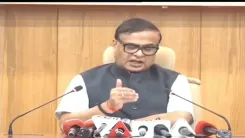
CM Yogi Orders Valmiki Jayanti Events Across UP
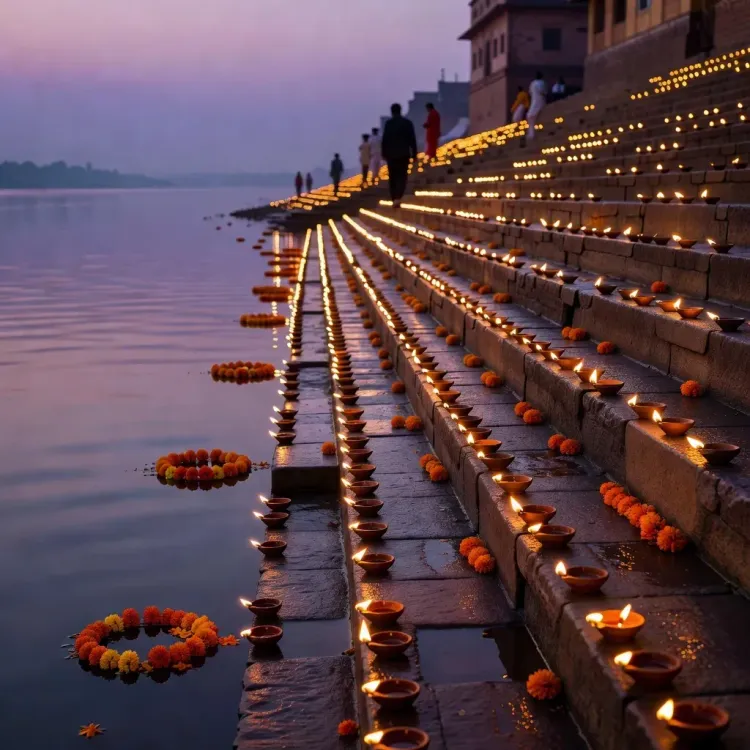
Synopsis
CM Yogi Adityanath has directed Valmiki Ramayana recitations, performances, and art activities in temples across all 75 UP districts for Maharishi Valmiki Jayanti on 26 October, while also ordering priority flood-recovery work and pilgrim-facility upgrades at Chitrakoot's Ramghat.
Key Takeaways
Maharishi Valmiki Jayanti falls on 26 October 2026 ; CM Yogi has ordered state-wide observance in all 75 UP districts .
Temples are directed to hold unbroken recitations of the Valmiki Ramayana (Akhand Path), Ramayana-based stage performances, and painting activities.
Development and pilgrim-facility improvements at Ramghat, Chitrakoot were specifically discussed in the review meeting.
Areas damaged by recent heavy rains and floods near Chitrakoot are to be rehabilitated on a priority basis.
Instructions include orderly resettlement of shopkeepers , drain strengthening, and fast-tracking the Tulsi Chabutra development project.
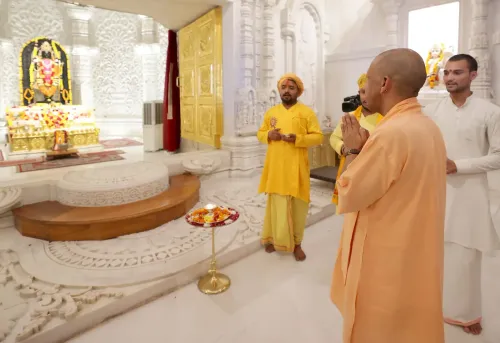
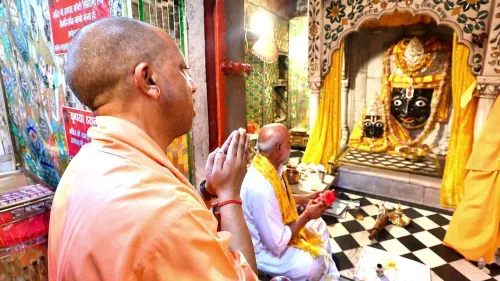
On the eve of Maharishi Valmiki Jayanti on 26 October, the Chief Minister's Office of Uttar Pradesh has announced that Chief Minister Yogi Adityanath has directed temples across all districts of the state to hold unbroken recitations of the Valmiki Ramayana (Akhand Path), Ramayana-based performances, and painting activities — a statewide cultural mobilisation that pairs devotion with a pointed development agenda for the pilgrimage town of Chitrakoot.
Akhand Path and Ramayana performances in every district
The directive, issued after a review meeting, calls for simultaneous observance in all of Uttar Pradesh's 75 districts. Temples are to organise continuous recitations of the Valmiki Ramayana, stage Ramayana-themed presentations, and run art and painting workshops for communities — making the Jayanti a coordinated state event rather than a scattered local affair. Maharishi Valmiki, the sage traditionally credited as the author of the Ramayana, is revered across the country, and his birth anniversary carries deep religious significance in a state that has positioned itself as the heartland of the Ram narrative.
Chitrakoot's Ramghat earmarked for urgent upgrades
The same meeting trained attention on Ramghat in Chitrakoot — one of Hinduism's most storied pilgrimage sites, linked directly to Lord Rama's years in exile. CM Yogi directed that development work at the ghat be accelerated, with a focus on improving facilities and amenities for pilgrims. Chitrakoot sits at the intersection of Uttar Pradesh's religious-tourism ambitions and its disaster-recovery obligations: the town's riverine location makes it periodically vulnerable to flooding.
Flood-hit zones to get priority reconstruction at Chitrakoot
The Chief Minister explicitly flagged areas damaged by recent heavy rains and flooding, ordering their rehabilitation on a prathamikta ke aadhar par (priority basis). The instructions were granular: orderly resettlement of displaced shopkeepers, strengthening of drains and stormwater channels, and fast-tracking the development of the Tulsi Chabutra — a sacred raised platform associated with the Bhakti poet Tulsidas, who composed the Ramcharitmanas at Chitrakoot. Together, the three tasks frame a vision of Chitrakoot as a resilient, well-ordered pilgrimage destination rather than a site perpetually playing catch-up after every monsoon.
With the Jayanti just three days away and reconstruction timelines now publicly stated, the pace of delivery at Ramghat — and the breadth of temple participation across UP's districts — will be the clearest measure of whether the ambition matches the execution.
Point of View
Reflecting the UP government's consistent strategy of anchoring state identity to Ramayana geography. By linking the Valmiki Jayanti celebrations to concrete development targets at Chitrakoot — drain work, shopkeeper resettlement, Tulsi Chabutra upgrades — the administration frames religious tourism not as soft symbolism but as a driver of measurable governance output. The flood-rehabilitation angle adds urgency and political insulation: any delay can now be framed as a failure of execution rather than intent. For the BJP's broader narrative ahead of future electoral cycles, a rehabilitated, beautified Chitrakoot is a campaign asset that doubles as genuine public infrastructure.
NationPress
23 Oct 2026
Frequently Asked Questions
When is Maharishi Valmiki Jayanti in 2026?
Maharishi Valmiki Jayanti in 2026 falls on 26 October . The Uttar Pradesh government has announced state-wide observances in all 75 districts on this date.
What programmes has CM Yogi ordered for Valmiki Jayanti?
CM Yogi Adityanath has directed temples across all UP districts to organise unbroken recitations of the Valmiki Ramayana (Akhand Path), Ramayana-based stage performances, and painting and art activities.
What is the Ramghat in Chitrakoot?
Ramghat is a sacred riverside ghat in Chitrakoot , a pilgrimage town in Uttar Pradesh closely associated with Lord Rama's period of exile as described in the Ramayana. It is a major site for pilgrims and devotees.
What development work is planned at Chitrakoot?
The UP government has directed priority rehabilitation of flood-affected areas, orderly resettlement of displaced shopkeepers, strengthening of drains, improvement of pilgrim facilities at Ramghat , and fast-tracking the Tulsi Chabutra development project.
What is the Tulsi Chabutra in Chitrakoot?
The Tulsi Chabutra is a sacred raised platform in Chitrakoot associated with the Bhakti poet Tulsidas, who is said to have composed the Ramcharitmanas there. The UP government has ordered its development to be completed at an accelerated pace.