CM Yogi Pitches Six Priority Sectors in UP-Singapore Partnership

Synopsis
Chief Minister Yogi Adityanath has identified six priority sectors — logistics around Jewar, semiconductor fabs, electronics, data centres, AI, and clean technology — to drive the Uttar Pradesh-Singapore partnership toward concrete investment outcomes.
Key Takeaways
Six priority sectors were outlined by CM Yogi Adityanath for the UP-Singapore partnership on October 28, 2026 .
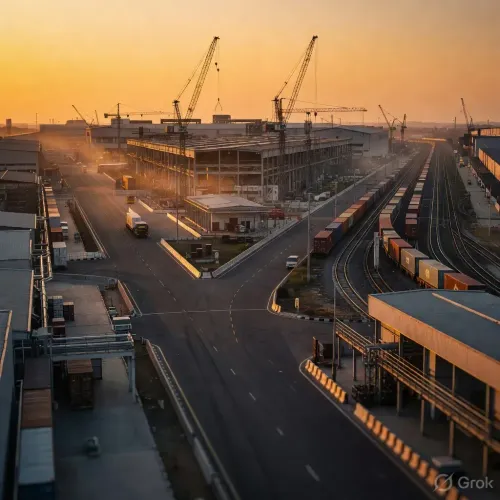
Multimodal logistics and warehousing centred on the Jewar region , expressways, and freight corridors tops the list.
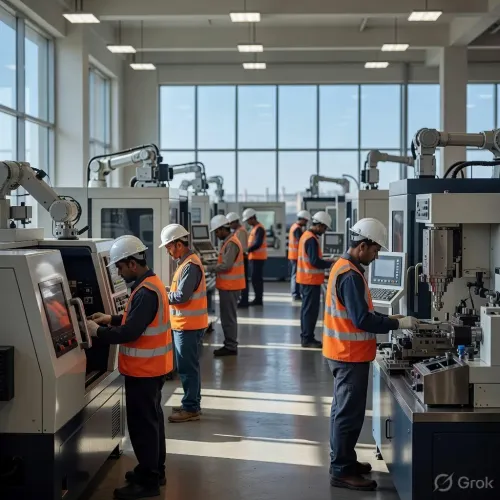
Semiconductor fab units and electronics manufacturing align with the central government's India Semiconductor Mission launched in 2021 .
Data centres, cloud services, and Artificial Intelligence infrastructure form a third key priority for Singapore collaboration.
Clean technology — including solar, green hydrogen, waste management, and water recycling — rounds out the agenda.
The engagement builds on the India-Singapore Comprehensive Economic Cooperation Agreement signed in 2005 .
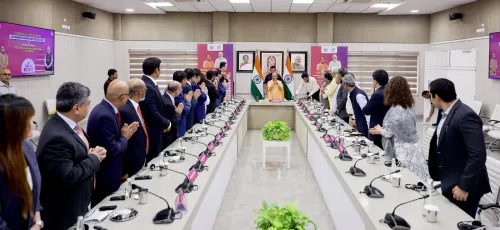
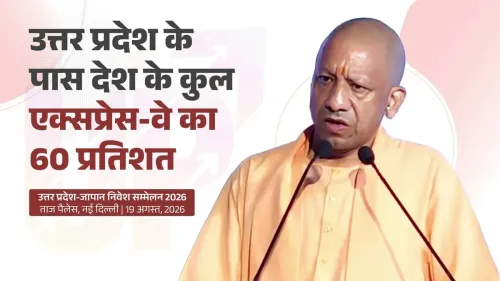
Six sectors. One partnership. A state with 240 million people signalling it is ready to compete on a global stage. On Wednesday, October 28, 2026, the Chief Minister's Office of Uttar Pradesh outlined how Chief Minister Yogi Adityanath is pushing the UP-Singapore partnership toward concrete outcomes — identifying high-value targets from semiconductor fabrication to green hydrogen.
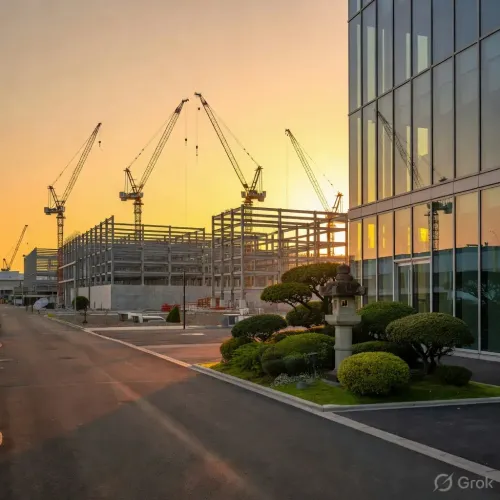
The post spells out six priority zones that CM Yogi stressed during his engagement with Singapore. At the top of the list: multimodal logistics and warehousing anchored around the Jewar region, leveraging the under-construction Noida International Airport alongside the state's growing expressway network and freight corridors. Jewar's promise has been building since it received in-principle approval back in 2018 — but pairing it with a Singapore logistics partnership gives the project a sharper commercial edge.
Semiconductor Fabs and AI Data Centres: UP's High-Tech Pitch
The second and third priorities cut to the heart of where the global economy is headed. CM Yogi spotlighted semiconductor fab units and electronics manufacturing — areas where Singapore carries decades of deep expertise and supply-chain muscle. This dovetails directly with the India Semiconductor Mission, the central government's initiative launched in 2021 to seed domestic chip manufacturing, with states now competing to land those facilities.
Alongside that sits a push for data centres, cloud services, and Artificial Intelligence infrastructure — the digital backbone that every high-growth economy is racing to build. For Uttar Pradesh, pitching these to a partner like Singapore is a deliberate play: the city-state has long been a regional hub for data infrastructure across Asia, and its investors know the asset class intimately.
Clean Tech as the Fourth Pillar: Solar, Green Hydrogen, and Water
The priorities do not stop at chips and code. CM Yogi also emphasised solar energy, green hydrogen, waste management, and water recycling — a clean-technology cluster that reflects both India's national net-zero commitments and the practical pressures of governing a densely populated, water-stressed state. Singapore's urban engineering reputation — built on precisely the kind of water and waste solutions UP is seeking — makes it a natural collaborator here.
The broader pattern is deliberate. Uttar Pradesh has spent recent years transforming its investor narrative: expressways, airports, and massive summits have shifted perception of a state once seen primarily through an agrarian lens. Singapore's alignment with India's industrial ambitions — reinforced by the India-Singapore Comprehensive Economic Cooperation Agreement signed in 2005 — gives this state-level engagement a firm institutional foundation to build on.
Whether formal investment commitments or joint working groups emerge from this round of engagement is the number to watch. For now, UP has put its asks on the table — and they are anything but small.
Point of View
AI infrastructure, green hydrogen — rather than offering a generic investment pitch, Uttar Pradesh signals institutional readiness and channels Singapore capital toward areas that reinforce national industrial policy. It also reveals a deliberate sequencing: logistics and Jewar anchor near-term bankable projects, while clean tech and deep-tech manufacturing build a longer-term narrative. For CM Yogi, this engagement is as much about repositioning UP in the global investment hierarchy as it is about any single deal. The test will be whether these six priorities survive the translation from diplomatic language into signed commitments at an investor summit.
NationPress
28 Oct 2026
Frequently Asked Questions
What are the six priority sectors in the UP-Singapore partnership?
Chief Minister Yogi Adityanath outlined multimodal logistics and warehousing around the Jewar region, semiconductor fab units and electronics manufacturing, data centres and cloud services, Artificial Intelligence infrastructure, and clean technologies including solar, green hydrogen, waste management, and water recycling as the key priority areas.
Why is Jewar significant for UP-Singapore collaboration?
The Jewar region hosts the under-construction Noida International Airport, a major greenfield aviation hub that received in-principle approval in 2018. Combined with expressways and freight corridors, it positions Jewar as a multimodal logistics centre attractive to Singapore investors.
How does UP's semiconductor pitch relate to national policy?
It aligns with the India Semiconductor Mission, a central government initiative launched in 2021 to establish chip manufacturing in India. States like Uttar Pradesh are competing to attract fab units under this framework.
What is the foundation of India-Singapore economic ties?
The India-Singapore Comprehensive Economic Cooperation Agreement, signed in 2005, provides the institutional framework for bilateral trade and investment that state-level engagements like the UP-Singapore partnership build upon.
What should investors watch for after this engagement?
Formal investment commitments, joint working groups in logistics and semiconductors, and announcements at future Uttar Pradesh investor summits or bilateral economic dialogues are the key developments to follow.