CM Yogi pays tribute to Bahraich's heritage and 1857 heroes
Synopsis
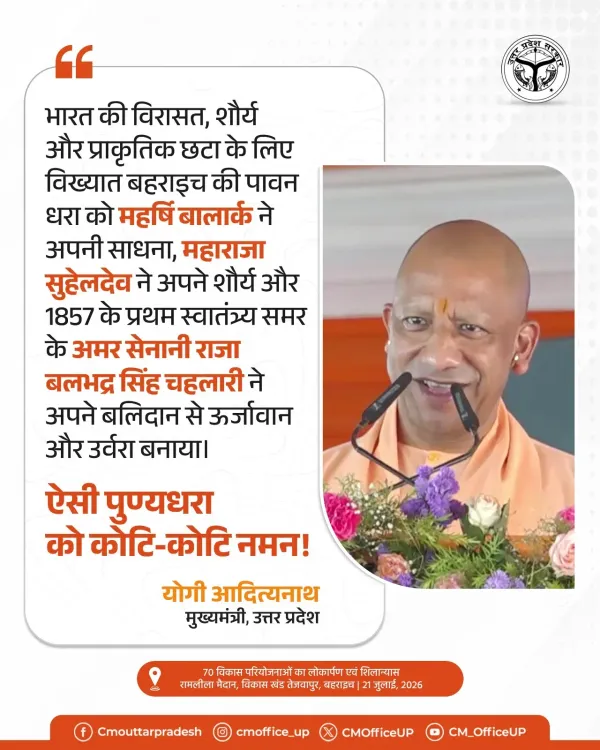
Chief Minister Yogi Adityanath's office paid homage to Bahraich, invoking the penance of Maharshi Balark, the valour of Maharaja Suheldev, and the 1857 sacrifice of Raja Balbhadra Singh Chahalari, calling the district a sacred and energising land.
Key Takeaways
The Chief Minister's Office of Uttar Pradesh, on 21 July 2026 , issued a tribute to Bahraich attributed to CM Yogi Adityanath .
Three historical figures were invoked: sage Maharshi Balark , 11th-century warrior-king Maharaja Suheldev , and 1857 martyr Raja Balbhadra Singh Chahalari .
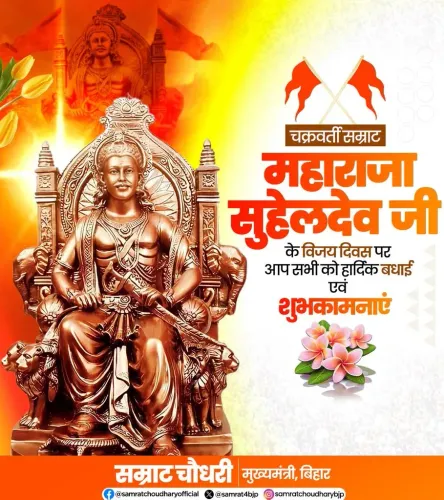
Maharaja Suheldev is celebrated in local tradition for defeating Ghazi Saiyyad Salar Masood's forces near Bahraich.
Raja Balbhadra Singh Chahalari was a local chieftain who fought and died resisting British forces during the First War of Independence .
The UP government has been publicly promoting the Suheldev legacy since 2018 through district events and memorials.
The tribute may precede further state announcements on heritage tourism or commemorative infrastructure in Bahraich .
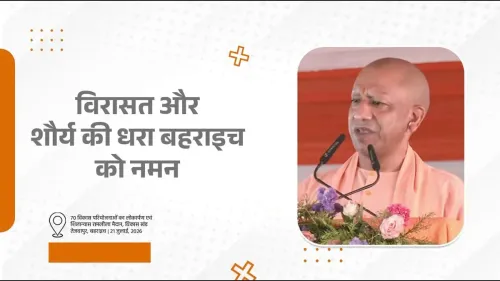
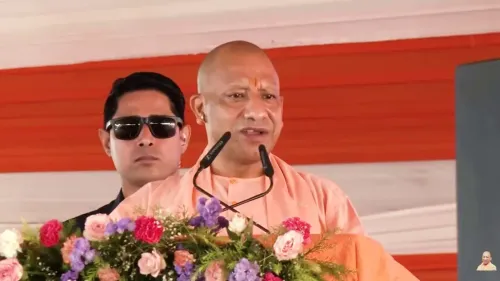
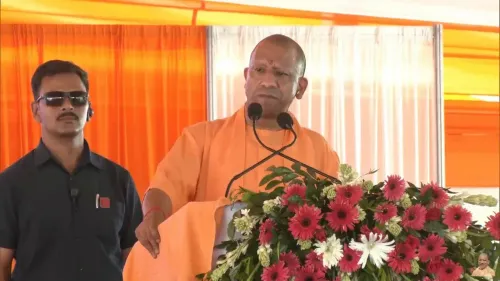
The Chief Minister's Office of Uttar Pradesh, on behalf of Chief Minister Yogi Adityanath, on Tuesday, 21 July 2026, paid homage to the sacred land of Bahraich, invoking three towering figures from the district's history — sage Maharshi Balark, medieval warrior-king Maharaja Suheldev, and 1857 freedom fighter Raja Balbhadra Singh Chahalari.
Context
The post, written in Hindi and attributed directly to Chief Minister Yogi Adityanath, describes Bahraich as a land made 'energetic and fertile' — ऊर्जावान और उर्वरा — by the penance of Maharshi Balark, the valour of Maharaja Suheldev, and the sacrifice of Raja Balbhadra Singh Chahalari during the First War of Independence of 1857. The statement closes with the phrase कोटि-कोटि नमन — 'salutations in the crores' — to this sacred land. The tribute underscores the Uttar Pradesh government's consistent practice of publicly recognising district-level historical figures who represent resistance, spirituality, and cultural continuity.
Policy Backdrop
Bahraich, a district in eastern Uttar Pradesh bordering Nepal, holds a layered historical identity. Maharaja Suheldev, an 11th-century ruler from the Bhar community, is celebrated in local tradition for defeating the forces of Ghazi Saiyyad Salar Masood near Bahraich — a legacy the Uttar Pradesh government began actively publicising through district-level events and memorials from 2018 onwards. Maharshi Balark is referenced in regional oral traditions as a sage whose penance is closely associated with the Bahraich region. Raja Balbhadra Singh Chahalari, a local chieftain from the district, joined the 1857 revolt and was killed fighting British forces, cementing his place in the district's memory as a martyr of the independence struggle.
The Yogi Adityanath administration, in office since 2017, has frequently highlighted such regional historical figures in public statements, linking them to broader narratives of cultural pride and anti-colonial resistance. Similar tributes have appeared around anniversaries of the 1857 uprising and local festivals, often accompanying calls for heritage tourism development in eastern Uttar Pradesh.
Stakeholders and Impact
Residents of Bahraich and members of communities associated with Maharaja Suheldev's legacy — particularly the Bhar and allied communities — are the primary audience for such official acknowledgements. Heritage tourism stakeholders in the district stand to benefit if the tribute is followed by concrete state investment in memorials, tourism circuits, or cultural infrastructure. The post also carries symbolic weight for descendants and local historians who have long advocated for greater national recognition of Bahraich's role in pre-colonial and colonial-era resistance.
What's Next
Observers will watch for any follow-up announcements from the Uttar Pradesh government on heritage tourism circuits, new memorials, or commemorative events centred on Bahraich. The state has in the past paired such tributes with ground-level programmes around 1857 anniversaries or district foundation days. Whether this statement precedes a policy or infrastructure announcement for Bahraich remains to be seen, but it reinforces the administration's stated commitment to elevating the stories of eastern UP's historical figures onto a larger public stage.
Point of View
Particularly figures who embody resistance to foreign rule. By invoking a sage, a medieval warrior-king, and an 1857 martyr in a single statement, the Chief Minister's office weaves together spiritual, military, and anti-colonial threads that resonate strongly with eastern Uttar Pradesh's diverse communities. The consistent elevation of Maharaja Suheldev — a figure with deep roots among OBC communities in the region — also reflects the state's careful attention to identity politics ahead of any electoral cycle. Whether or not a concrete policy announcement follows, such statements serve to position the government as a custodian of local heritage that mainstream historical narratives have often overlooked.
NationPress
20 Oct 2026
Frequently Asked Questions
Who is Maharaja Suheldev and why is he important to Bahraich?
Maharaja Suheldev was an 11th-century ruler from the Bhar community who, according to local tradition, defeated the forces of Ghazi Saiyyad Salar Masood near Bahraich. He is a celebrated figure of regional pride, and the Uttar Pradesh government has promoted his legacy through memorials and events since 2018.
Who was Raja Balbhadra Singh Chahalari?
Raja Balbhadra Singh Chahalari was a local chieftain from Bahraich district who participated in the 1857 First War of Independence and was killed fighting British forces, making him a martyr in the district's historical memory.
Why did CM Yogi Adityanath pay tribute to Bahraich?
The Chief Minister's Office posted a tribute on 21 July 2026 honouring Bahraich's sacred land and its historical figures — Maharshi Balark, Maharaja Suheldev, and Raja Balbhadra Singh Chahalari — reflecting the UP government's broader practice of recognising district-level heritage.
What is Maharshi Balark known for in Bahraich?
Maharshi Balark is referenced in regional oral traditions as a sage whose penance is closely associated with the Bahraich region, though detailed historical records about him are limited.
Will the Uttar Pradesh government announce heritage tourism projects in Bahraich?
No official announcement has been made yet, but observers note that the UP government has previously paired such tributes with heritage tourism development plans or commemorative events, making future announcements possible.