CM Yogi Pays Tribute to Maharaja Suheldev, Symbol of Valour
Synopsis
Uttar Pradesh Chief Minister Yogi Adityanath on June 6, 2026, hailed 11th-century warrior Maharaja Suheldev as the symbol of valour against invaders, continuing the BJP-led state government's pattern of elevating regional historical figures from eastern Uttar Pradesh ahead of the 2027 assembly elections.
Key Takeaways
CM Yogi Adityanath posted a tribute to Maharaja Suheldev on June 6, 2026 , calling him the symbol of valour that strikes terror into invaders.
Maharaja Suheldev was an 11th-century ruler from the Bhar community of eastern Uttar Pradesh , celebrated in local traditions for defeating the Ghaznavid commander Ghazi Saiyyad Salar Masud near Bahraich .
The Uttar Pradesh government has promoted commemorations of Suheldev and similar regional figures since 2017 , including memorials and public events.
The tribute resonates with the Bhar community and OBC groups concentrated across constituencies in Bahraich , Shravasti , and Balrampur .
With the 2027 UP assembly elections approaching, further state-backed historical commemorations centred on such figures are anticipated.
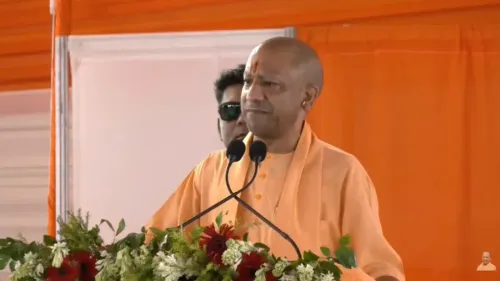
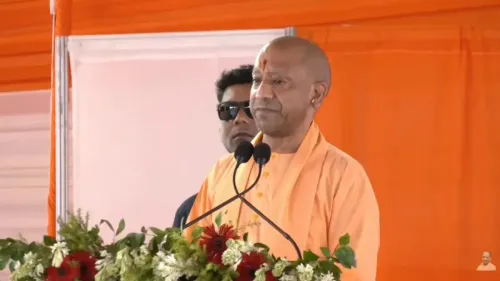
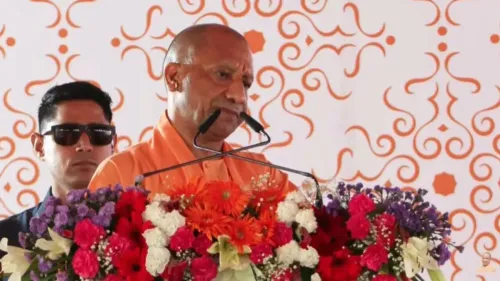
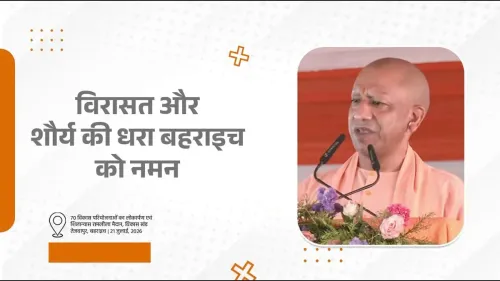
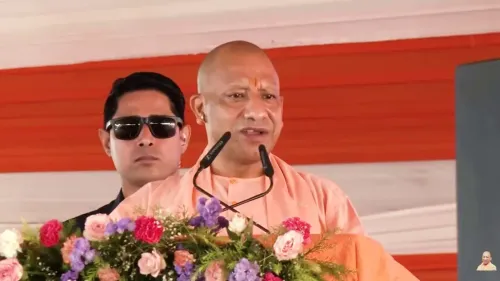
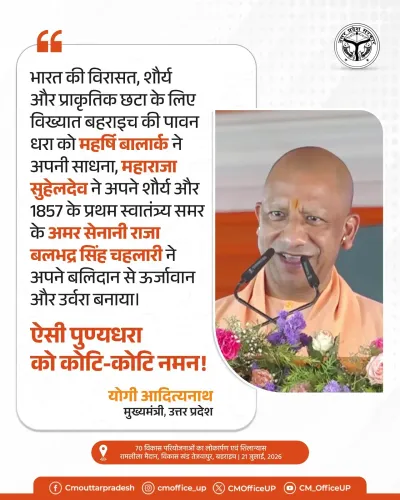
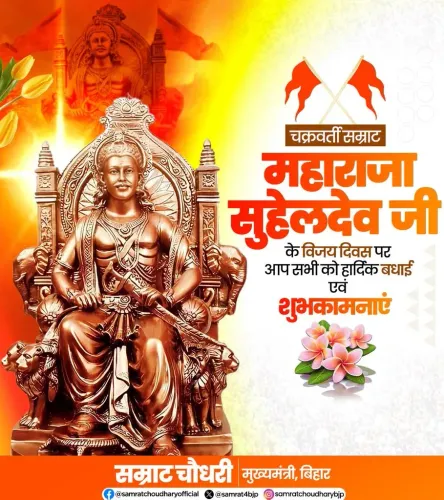
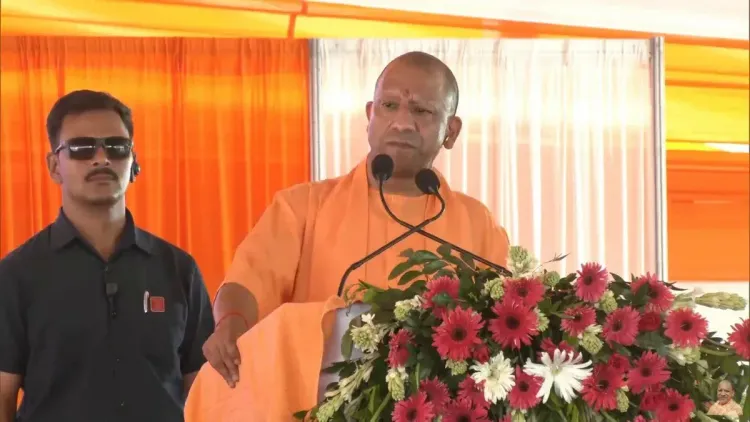
Uttar Pradesh Chief Minister Yogi Adityanath on Saturday, June 6, 2026, paid tribute to the 11th-century warrior king Maharaja Suheldev, describing him as the embodiment of the courage that strikes fear into the hearts of invaders. The Chief Minister shared the tribute on X, accompanied by a video, underscoring the Uttar Pradesh government's sustained focus on elevating regional historical figures from eastern Uttar Pradesh.
In his post, CM Yogi wrote: 'Aakrantaon ko dahlane wala shaurya kaisa hona chahiye, Maharaj Suheldev uske prateek hain' — meaning, 'What the valour that strikes terror into invaders should look like, Maharaja Suheldev is its symbol.' The tribute is a pointed invocation of a warrior whose legacy resonates deeply among communities in the Bahraich region and across eastern Uttar Pradesh.
Context
Maharaja Suheldev is venerated in local traditions as an 11th-century ruler from the Bhar community of eastern Uttar Pradesh who, according to oral histories and regional chronicles, defeated the Ghaznavid commander Ghazi Saiyyad Salar Masud near Bahraich. His story has been passed down primarily through folk memory, making him a powerful cultural symbol of indigenous resistance against medieval-era military campaigns from the northwest.
The Bhar community, historically rooted in the Terai and eastern plains of Uttar Pradesh, regards Suheldev as a defining ancestral hero. His narrative has gained wider national visibility over the past decade, with writers, historians, and politicians drawing renewed attention to his legacy.
Policy Backdrop
Since 2017, when the BJP government under Yogi Adityanath came to power in Uttar Pradesh, the state has actively promoted commemorations of pre-modern regional rulers who resisted external military campaigns. Memorials, public events, and official references to figures such as Maharaja Suheldev have become a recurring feature of state government messaging.
This approach reflects a broader pattern of cultural reclamation that the Uttar Pradesh government has woven into its public communications, positioning the state as a custodian of histories that were, in the government's framing, long overlooked by mainstream national narratives.
Stakeholders and Impact
The tribute carries direct significance for the Bhar community and other OBC groups in eastern Uttar Pradesh who identify with Suheldev's legacy. Political observers note that such messaging simultaneously addresses cultural pride and electoral arithmetic, given the substantial presence of these communities across constituencies in Bahraich, Shravasti, Balrampur, and neighbouring districts.
For residents of the Bahraich region in particular, official recognition of Suheldev represents an acknowledgement of a local identity that has historically been peripheral to state-level historical commemoration. Cultural organisations associated with the Bhar community have consistently welcomed such references from the Chief Minister's office.
What's Next
With the 2027 Uttar Pradesh assembly elections on the horizon, state-sponsored historical commemorations centred on figures like Maharaja Suheldev are expected to intensify. Observers will watch for announcements of new memorials, inclusion of Suheldev's narrative in state curriculum materials, or dedicated cultural events in Bahraich and eastern UP districts. CM Yogi's consistent invocation of such figures signals that the politics of historical memory will remain a central pillar of the BJP's governance narrative in Uttar Pradesh through the election cycle.
Point of View
Multi-year effort by the UP government to reframe the state's historical identity around pre-modern regional warriors who resisted external campaigns. By consistently invoking such figures through official channels, the BJP government in Lucknow has constructed a parallel historical canon that speaks directly to OBC and Bhar community pride in eastern Uttar Pradesh. With the 2027 assembly elections drawing closer, the frequency and visibility of such messaging is likely to increase, blending cultural statecraft with electoral mobilisation. The pattern suggests that the politics of historical memory will remain as consequential in UP's next election cycle as infrastructure and welfare delivery.
NationPress
23 Oct 2026
Frequently Asked Questions
Who was Maharaja Suheldev?
Maharaja Suheldev was an 11th-century ruler from the Bhar community of eastern Uttar Pradesh, venerated in local traditions for defeating the Ghaznavid commander Ghazi Saiyyad Salar Masud near Bahraich. His story has been preserved largely through oral histories and regional chronicles.
Why did CM Yogi Adityanath pay tribute to Maharaja Suheldev?
CM Yogi Adityanath described Maharaja Suheldev as the symbol of the valour that strikes fear into invaders, continuing the UP government's broader practice of honouring regional historical figures who resisted external military campaigns.
What is the significance of Maharaja Suheldev for the Bhar community?
Maharaja Suheldev is regarded as a defining ancestral hero by the Bhar community, historically rooted in the Terai and eastern plains of Uttar Pradesh. Official recognition of his legacy is seen as an acknowledgement of a cultural identity long peripheral to mainstream state-level commemoration.
What has the UP government done to commemorate Maharaja Suheldev?
Since 2017, the BJP-led Uttar Pradesh government has promoted memorials, public events, and official references to Maharaja Suheldev as part of its broader effort to highlight pre-modern regional rulers from the state.
How does the tribute to Suheldev connect to the 2027 UP elections?
Political observers note that tributes to figures like Suheldev address both cultural pride and electoral arithmetic, given the significant presence of Bhar and OBC communities across constituencies in Bahraich, Shravasti, and Balrampur — making such messaging increasingly relevant ahead of the 2027 Uttar Pradesh assembly elections.