CM Yogi on Self-Reliance: Atmanirbharta Needs Swavalamban
Synopsis
UP Chief Minister Yogi Adityanath posted on 18 June 2026 that the goal of self-reliance is achieved through swavalamban — self-dependence — not through dependence on others, reinforcing the BJP's Atmanirbhar Bharat governance philosophy at the state level.
Key Takeaways
CM Yogi Adityanath posted on 18 June 2026 asserting that atmanirbharta is achieved through swavalamban , not paravalambana .
The message aligns with the BJP 's sustained policy framing around self-reliance since 2014 and the Atmanirbhar Bharat package launched in May 2020 .
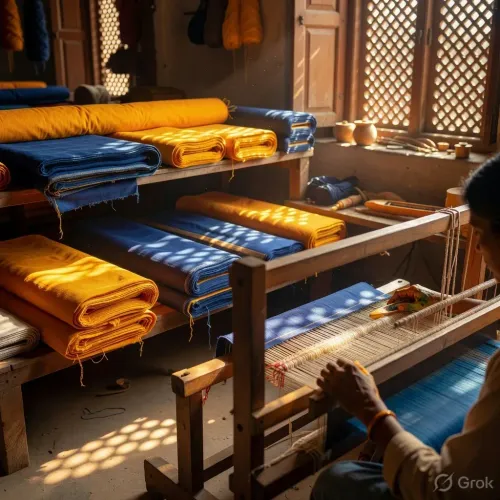
Uttar Pradesh has emphasised local manufacturing clusters and skill development as state-level expressions of the self-reliance agenda.
Key stakeholders include MSMEs and youth entrepreneurs in Uttar Pradesh , one of India's most populous states.
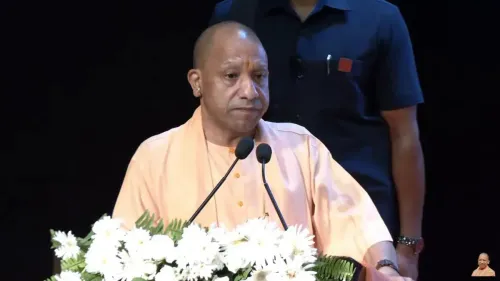
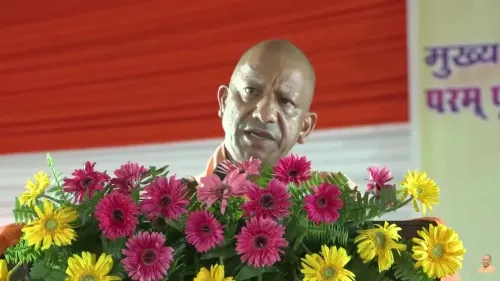
The post was accompanied by a video, which may contain further context or a policy announcement.
Observers will watch the next UP state budget and upcoming scheme launches for concrete follow-through on this messaging.
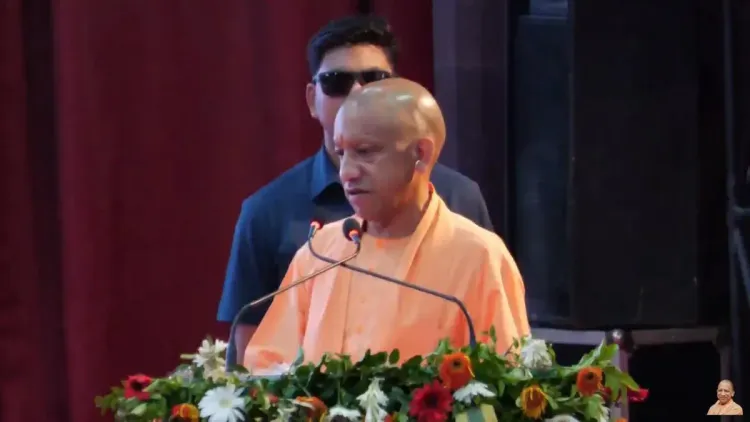
Uttar Pradesh Chief Minister Yogi Adityanath on Thursday, 18 June 2026, posted a pointed philosophical assertion on self-reliance, stating that the goal of atmanirbharta (self-reliance) is achieved through swavalamban (self-dependence), not through paravalambana (dependence on others).
Context
The post, shared in Hindi, reads: 'Atmanirbharta ka lakshya swavalamban se prapt hota hai, paravalambana se nahin...' — 'The goal of self-reliance is achieved through self-dependence, not through dependence on others.' The message is brief but carries deliberate ideological weight, drawing on a vocabulary deeply embedded in BJP's governance discourse since 2014. The accompanying video, shared without a caption, is expected to elaborate the theme further.
Policy Backdrop
Prime Minister Narendra Modi announced the Atmanirbhar Bharat economic package in May 2020, originally framed as a response to the COVID-19 pandemic's disruption of global supply chains. The initiative called for building domestic production capacity, reducing import dependence, and empowering MSMEs and local entrepreneurs. CM Yogi's formulation sharpens that policy framing into a moral-philosophical principle: external dependence is not merely economically inefficient, it is fundamentally incompatible with the goal of self-reliance.
In Uttar Pradesh, this philosophy has translated into repeated state-level emphasis on local manufacturing clusters, skill development programmes, and reducing reliance on central or foreign assistance. The state has positioned itself as a front-runner in the Atmanirbhar Bharat framework, citing growth in its MSME sector and investments attracted through successive investor summits.
Stakeholders and Impact
The message speaks directly to MSMEs, youth entrepreneurs, and policymakers at the state level who are tasked with translating the self-reliance vision into ground-level programmes. For small business owners and first-generation entrepreneurs in Uttar Pradesh — one of India's most populous states — the distinction between building internal capacity and seeking external support carries practical policy implications, from credit access to skilling initiatives.
The broader BJP ideological tradition of swadeshi thinking — preference for indigenous production and economic nationalism — is visible in the post's framing. By using swavalamban over the more commonly used English loanword 'self-reliance,' CM Yogi anchors the message in a classical Indian vocabulary that resonates with the party's cultural-political base.
What's Next
Observers will watch for whether this post precedes a concrete policy announcement — such as a new state-level self-employment scheme, a skill development initiative, or a reference in the next Uttar Pradesh state budget speech. The BJP's pattern of using social media messaging to signal upcoming policy direction makes the timing and framing of such posts significant. If the accompanying video contains a speech or programme launch, it is likely to provide the specific context that the text alone leaves open.
As Uttar Pradesh continues to position itself as a model state for Atmanirbhar Bharat implementation, CM Yogi's consistent articulation of this theme suggests self-reliance will remain a central pillar of the state's governance narrative heading into the next budget cycle.
Point of View
It signals a governance preference for building internal state capacity over seeking external support. Placed within the Atmanirbhar Bharat arc, the message doubles as a political identity marker, connecting UP's state-level programmes to the broader national self-reliance narrative championed by PM Modi since 2020. The use of classical Hindi vocabulary — swavalamban, paravalambana — rather than English policy jargon suggests the message is calibrated for a grassroots audience as much as a policy one. Whether a concrete scheme announcement follows will determine whether this is a strategic signal or routine ideological reinforcement.
NationPress
17 Sept 2026
Frequently Asked Questions
What did CM Yogi Adityanath post on 18 June 2026?
CM Yogi Adityanath posted in Hindi that the goal of self-reliance (atmanirbharta) is achieved through swavalamban (self-dependence), not through paravalambana (dependence on others).
What is Atmanirbhar Bharat and how does it relate to CM Yogi's post?
Atmanirbhar Bharat is the central government's self-reliance initiative announced by PM Modi in May 2020. CM Yogi's post reinforces its core philosophy — that genuine self-reliance requires building internal capacity rather than relying on external support.
What does swavalamban mean in the context of Indian governance?
Swavalamban means self-dependence or self-support in Hindi. In governance, it refers to building one's own capacity — economic, institutional, or individual — rather than depending on external aid or assistance.
How has Uttar Pradesh implemented the self-reliance agenda?
Uttar Pradesh has emphasised local manufacturing clusters, skill development programmes, and MSME growth as state-level expressions of the Atmanirbhar Bharat framework under CM Yogi Adityanath's administration.
Is CM Yogi expected to announce a new scheme after this post?
No specific scheme has been announced yet. Observers are watching for follow-through in the next UP state budget speech or a new self-employment or skill development programme that could give concrete form to the message.