CM Yogi Blames SP, BSP, Congress for Closing 29 Sugar Mills
Synopsis
Uttar Pradesh Chief Minister Yogi Adityanath accused the SP, BSP and Congress of closing 29 sugar mills between 2007 and 2017, calling it a deliberate act of unemployment against the state's youth. The charge targets the sugar belt ahead of the next assembly election cycle.
Key Takeaways
Yogi Adityanath accused SP, BSP and Congress of closing 29 sugar mills in Uttar Pradesh between 2007 and 2017 .
The period covers the BSP government (2007–2012) under Mayawati and the SP government (2012–2017) under Akhilesh Yadav .
The Chief Minister described the closures as 'the sin of rendering the youth unemployed.' Uttar Pradesh is one of India's largest sugarcane-producing states, making sugar mills critical to rural employment.
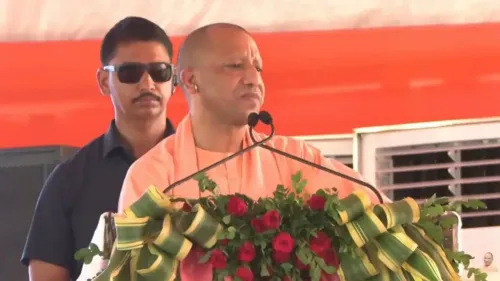
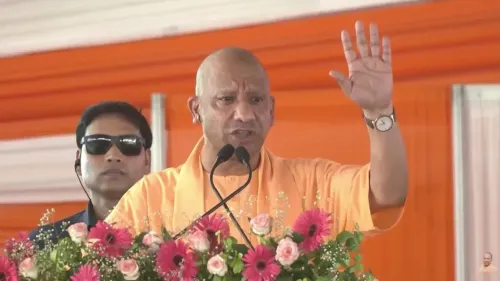
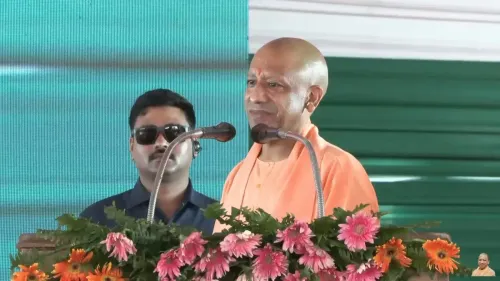
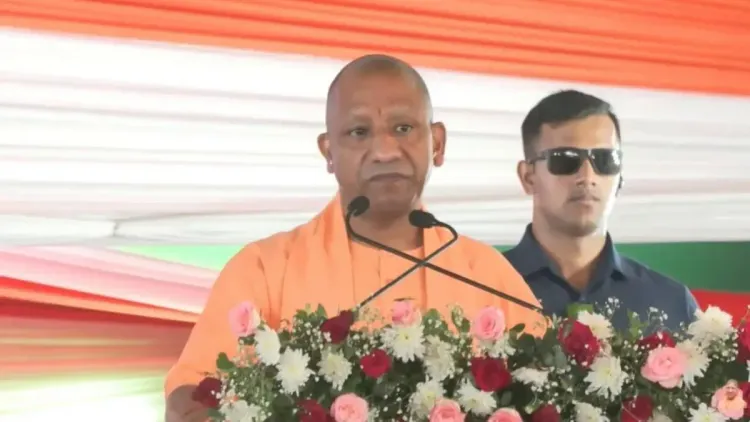
The post was accompanied by a video and is part of the BJP's broader political messaging contrasting its post- 2017 record with the preceding decade.
Sugar mill revival, ethanol policy , and cane pricing are expected to feature prominently in the state's political discourse ahead of the next assembly election.
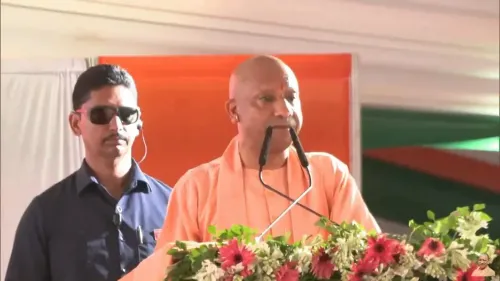
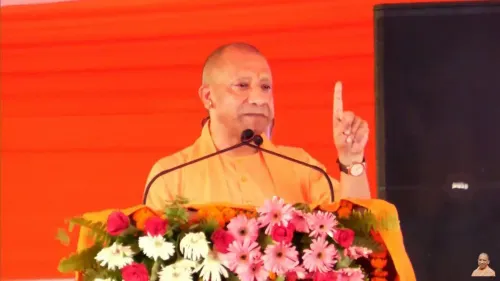
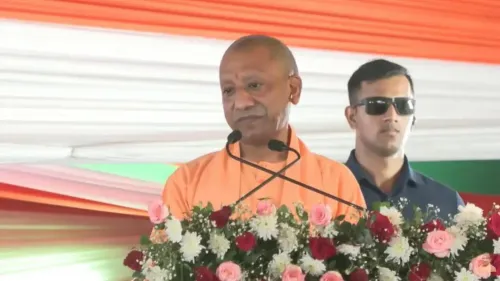
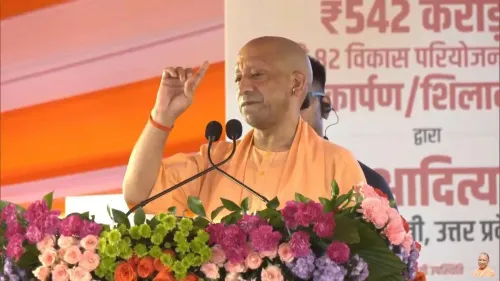
Uttar Pradesh Chief Minister Yogi Adityanath on Thursday, 23 July 2026, publicly accused the Samajwadi Party, Bahujan Samaj Party, and Congress of shutting down 29 sugar mills in the state during the decade between 2007 and 2017, calling it a sin against the youth of Uttar Pradesh.
Context
Posting on X, Yogi Adityanath wrote in Hindi: 'वर्ष 2007 से लेकर 2017 तक 10 वर्षों में समाजवादी पार्टी, बहुजन समाज पार्टी और कांग्रेस के गठबंधन ने 29 चीनी मिलों को बंद किया... नौजवानों को बेरोजगार करने का पाप किया...' ('In the 10 years from 2007 to 2017, the alliance of the Samajwadi Party, Bahujan Samaj Party and Congress closed 29 sugar mills... they committed the sin of rendering the youth unemployed...'). The post was accompanied by a video, suggesting the remarks may be drawn from a public address or campaign event.
The charge covers two distinct political periods: the BSP government under Mayawati from 2007 to 2012, and the SP government under Akhilesh Yadav from 2012 to 2017. The Chief Minister frames both tenures, along with Congress participation, as collectively responsible for the industrial decline of Uttar Pradesh's sugar belt.
Policy Backdrop
Uttar Pradesh is among India's largest sugarcane-producing states, and its network of sugar mills has long been central to rural employment and the agrarian economy. During the 2007–2017 period, several mills across the state faced recurring challenges including financial unviability, delayed cane payments to farmers, and operational shutdowns.
The BJP government, which came to power in 2017 under Yogi Adityanath, has consistently sought to contrast its record in the sugar sector with that of its predecessors. Ethanol blending policy, revised cane pricing, and efforts to revive or privatise closed mills have been recurring themes in the state's agricultural governance since then.
Stakeholders and Impact
The closure of sugar mills directly affects three groups: sugarcane farmers who lose a nearby procurement point, mill workers who lose formal employment, and rural youth in surrounding districts who lose entry-level industrial jobs. In Uttar Pradesh's sugar belt — spanning districts such as Muzaffarnagar, Meerut, Lakhimpur Kheri, and Gorakhpur — these closures have compounding effects on local economies.
The Chief Minister's framing of mill closures as 'rendering youth unemployed' is a deliberate appeal to this constituency, linking industrial policy failure to the broader unemployment anxiety that remains a live political issue in the state.
What's Next
The post signals that sugar-sector governance will remain a front-line political argument for the BJP in Uttar Pradesh as the state moves toward the next assembly election cycle. Announcements related to sugar mill revival, ethanol policy updates, or State Advised Price revisions for cane could follow as the ruling party seeks to reinforce its counter-narrative.
Opposition parties — the SP and BSP in particular — are likely to contest the characterisation, including the framing of their separate tenures as a unified 'alliance' responsible for mill closures. The political contest over the sugar belt's economic record is expected to intensify in the months ahead.
Point of View
Where the sugar belt constitutes a large and electorally sensitive constituency. By bundling the BSP and SP tenures into a single 'alliance' narrative, the Chief Minister attempts to deny his opponents any separate political identity on the economic question. The focus on youth unemployment adds a contemporary urgency to a decade-old charge, tapping into anxieties that cut across caste lines in rural UP. This kind of retrospective accountability messaging typically precedes a positive announcement — a mill revival, a price hike, or an ethanol policy update — designed to complete the contrast.
NationPress
21 Oct 2026
Frequently Asked Questions
How many sugar mills did SP and BSP close in Uttar Pradesh?
Chief Minister Yogi Adityanath has claimed that 29 sugar mills were closed in Uttar Pradesh during the decade from 2007 to 2017 , attributing responsibility to the SP, BSP and Congress . The specific figure and the framing of the three parties as a unified alliance are part of the Chief Minister's political characterisation.
When did Yogi Adityanath become Chief Minister of Uttar Pradesh?
Yogi Adityanath became Chief Minister of Uttar Pradesh in 2017 after the BJP won the state assembly election, ending a decade of alternating BSP and SP rule.
What is the importance of sugar mills in Uttar Pradesh?
Uttar Pradesh is one of India's largest sugarcane-producing states. Sugar mills are central to rural employment, providing livelihoods to sugarcane farmers , mill workers , and rural youth in districts across the state's sugar belt.
Which party ruled Uttar Pradesh from 2007 to 2017?
The Bahujan Samaj Party under Mayawati governed Uttar Pradesh from 2007 to 2012 , followed by the Samajwadi Party under Akhilesh Yadav from 2012 to 2017 .
What is CM Yogi's sugar policy in Uttar Pradesh?
Since 2017 , the Yogi Adityanath government has pursued sugar sector revival through ethanol blending mandates, revised State Advised Prices for cane, and efforts to reopen or privatise closed mills, positioning these steps as a contrast to the preceding decade's record.