CM Karnataka celebrates coastal Tulu heritage in tribute post
Synopsis
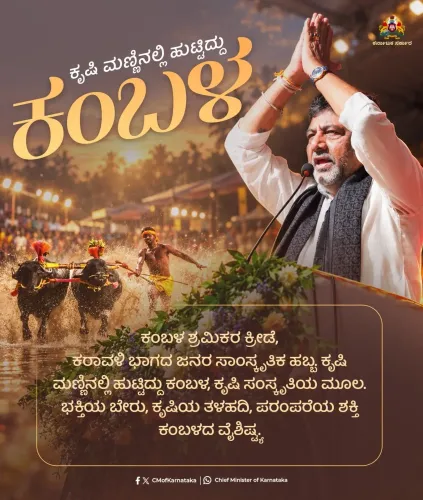
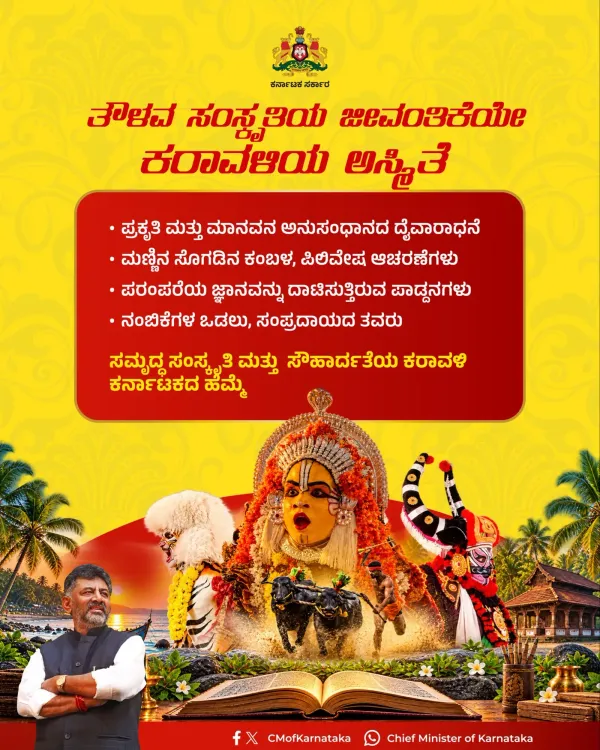
The Chief Minister's Office of Karnataka celebrated the Tuluva culture of coastal Karnataka on 5 November 2026, spotlighting Kambala races, Pilivesa tiger-dance, Daivaradhane rituals, and Paddana ballads as the pride of the entire state.
Key Takeaways
The CMO of Karnataka posted a Kannada tribute to Tuluva coastal heritage on 5 November 2026 .
Kambala (buffalo races), Pilivesa (tiger dance), Daivaradhane (spirit worship), and Paddana (oral ballads) were specifically named as pillars of Tulu culture.
The post describes coastal Karnataka as a 'confluence of nature, tradition, and harmony.' Tulu Nadu spans Dakshina Kannada and Udupi districts along Karnataka's southwest coast.
Paddanas are unwritten oral ballads in the Tulu language considered among the region's most endangered cultural forms.
The timing coincides with the opening of the annual Kambala season in November.
Where the Western Ghats meet the Arabian Sea, a living culture breathes — and the Chief Minister's Office of Karnataka wants the country to notice. On Thursday, 5 November 2026, the official CMO account posted a Kannada tribute to the Tuluva traditions of coastal Karnataka, calling the region a confluence of nature, heritage, and harmony.
The post, written in Kannada, reads: 'Prakruti, sampradaya hagoo sauhaardateyya sangamave namma karavali' — 'Our coast is the confluence of nature, tradition, and harmony.' It goes on to celebrate Kambala (the traditional buffalo race), Pilivesa (tiger-dance folk performance), Daivaradhane (spirit-worship rituals), and Paddana (oral narrative ballads) as the pillars of Tulu culture, calling them the pride of all Karnataka.
Kambala, Pilivesa, and the folk soul of Tulu Nadu
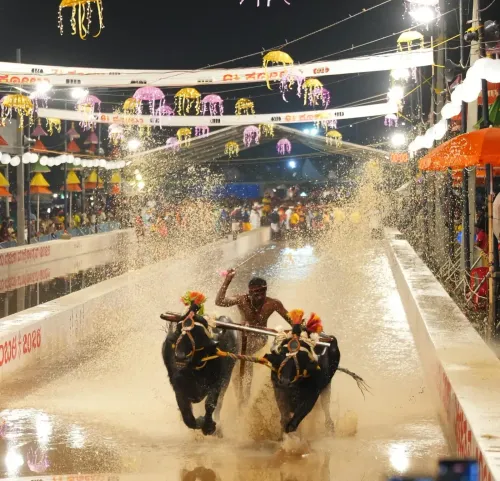
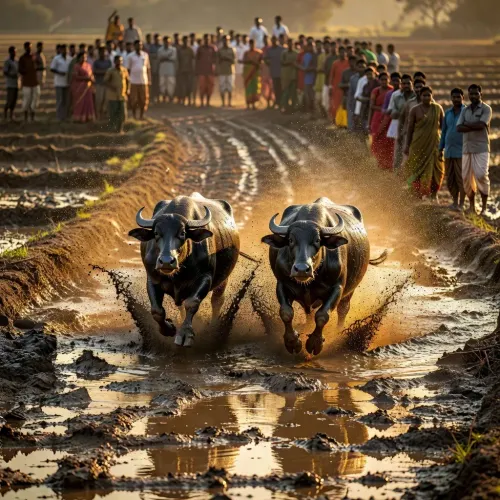
Tulu Nadu — the coastal belt spanning Dakshina Kannada and Udupi districts — carries one of India's most distinctive regional identities. Kambala races, run across flooded paddy fields with buffaloes and their handlers, draw massive crowds each winter season and have long been a flashpoint for debates around tradition and animal-welfare legislation. Pilivesa, in which performers paint themselves as tigers and dance through streets during the Navaratri period, is visually arresting and deeply ritualistic. Together, they represent the performative face of a culture that also runs deep underground — literally — in its devotion to Daivas, local spirit deities whose shrines dot the coastal landscape.
Paddanas — long, unwritten oral ballads passed down through generations — are among the region's most fragile cultural treasures. Recited in the Tulu language, they encode the genealogies and mythologies of coastal communities and are increasingly documented by folklore scholars as living literature under gradual demographic pressure.
Karnataka's pattern of amplifying its regional mosaic
The CMO's post fits a recognisable pattern: Karnataka's state communications regularly spotlight the linguistic and customary plurality that sets the state apart — from the classical heritage of Hampi and Mysuru to the folk forms of the coast. For a state that hosts Kannada, Tulu, Konkani, Kodava, and Beary-speaking communities, such signals carry quiet political weight alongside their cultural sincerity. They frame the government as custodian of a diverse Karnataka, not merely a Kannada-speaking one.
What to watch: whether this salute to Tuluva pride is a standalone gesture or a curtain-raiser for state-sponsored coastal heritage festivals and tourism initiatives in the coming season. The annual Kambala season typically opens in November — timing that makes this post feel less like a coincidence and more like a warm-up act.
Point of View
Deployed as soft infrastructure alongside roads and welfare schemes.
NationPress
5 Nov 2026
Frequently Asked Questions
What is Kambala and why is it famous in Karnataka?
Kambala is a traditional buffalo race held annually in the coastal villages of Dakshina Kannada and Udupi districts. Pairs of buffaloes and their handlers sprint across flooded paddy fields, making it one of the most distinctive folk sporting events in Karnataka. It is a central part of Tuluva cultural identity and is celebrated each winter season.
What is Daivaradhane in coastal Karnataka?
Daivaradhane is a spirit-worship ritual practised by communities in Tulu Nadu, in which local deity spirits called Daivas are propitiated through elaborate ceremonies. It is a defining element of the religious and folk life of coastal Karnataka.
What are Paddanas in Tulu culture?
Paddanas are long oral narrative ballads in the Tulu language, passed down across generations without being written down. They recount the mythologies and genealogies of coastal communities and are considered one of the region's most fragile cultural treasures.
What is Pilivesa in Karnataka folk tradition?
Pilivesa is a tiger-dance folk performance from coastal Karnataka in which performers paint their bodies to resemble tigers and dance through streets, most commonly during the Navaratri festival season. It is an energetic and visually striking ritual art form of the Tulu Nadu region.