CMO Maharashtra: Tuljapur trust gives ₹3 crore for farmers
Synopsis
Maharashtra's CMO said the Shri Tuljabhavani Temple Trust, Tuljapur, handed a ₹3 crore cheque in Mumbai to Chief Minister Devendra Fadnavis for the Mukhyamantri Sahayata Nidhi, earmarked for drought-affected farmers. MLA Ranajagjitsinh Patil and Dharashiv officials joined the handover.
Key Takeaways
CMO Maharashtra said the Shri Tuljabhavani Temple Trust, Tuljapur, donated ₹3,00,00,000 to the Mukhyamantri Sahayata Nidhi.
The cheque was handed to CM Devendra Fadnavis in Mumbai on 27 November 2026, per the office.
MLA Ranajagjitsinh Patil and Dharashiv district officials joined temple office-bearers at the handover.
The stated purpose was assistance to drought-affected farmers.
Fadnavis thanked the trust and the delegation, the CMO said.
The Mukhyamantri Sahayata Nidhi is the state's calamity relief fund, including for drought.
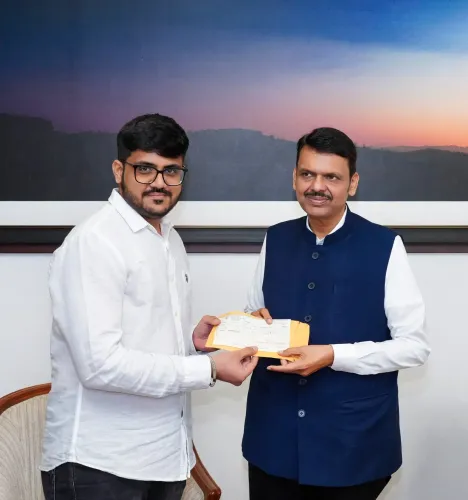
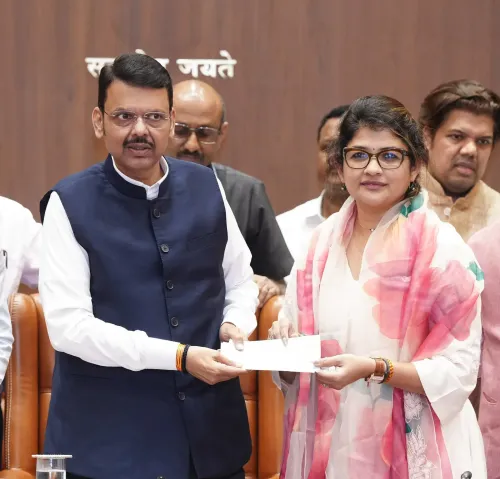
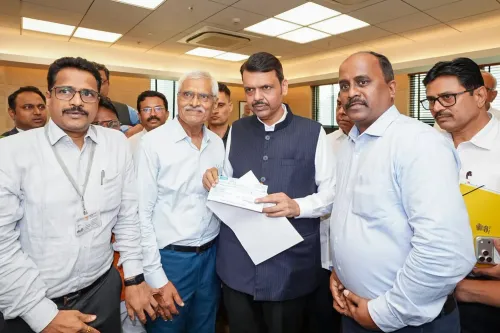
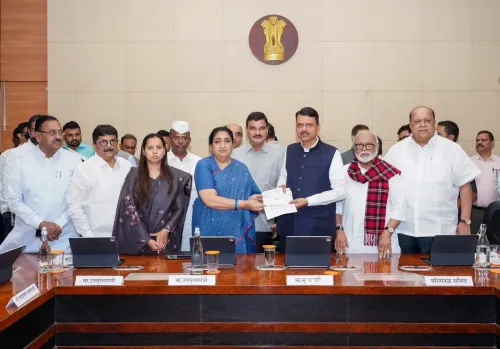
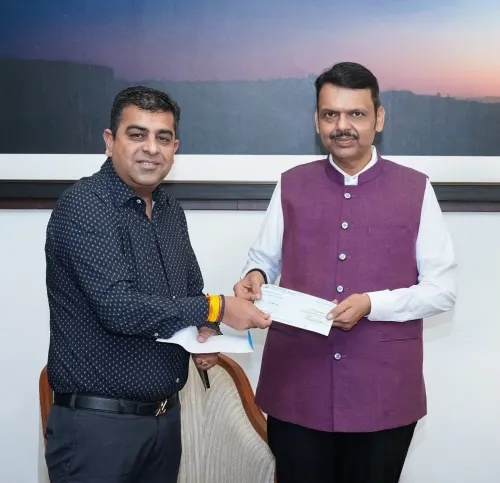
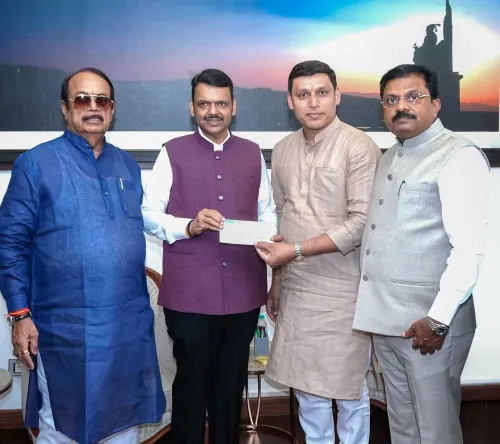
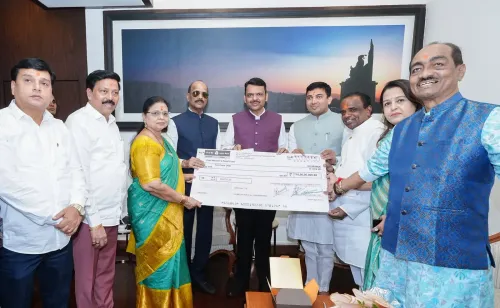
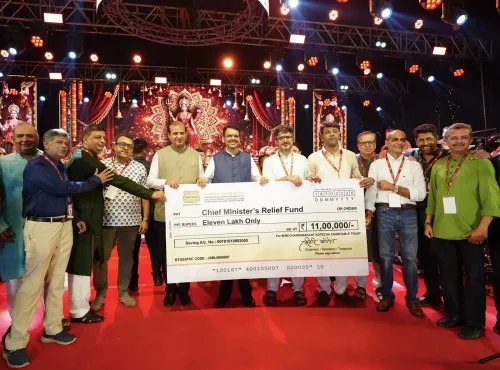
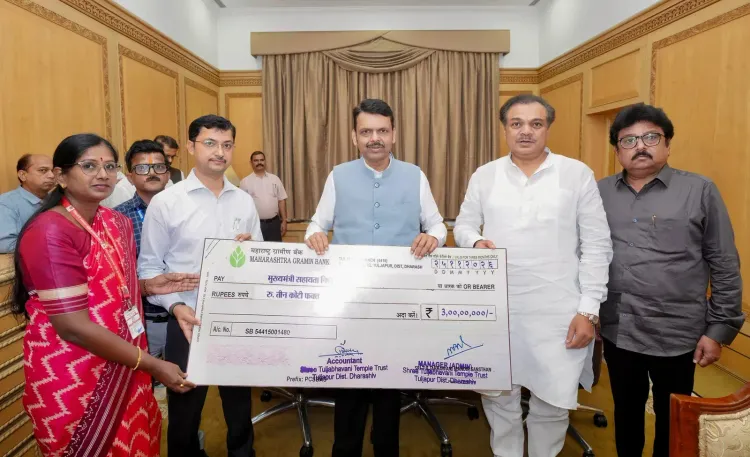
A ₹3 crore cheque for drought-hit farmers was placed before Maharashtra's Chief Minister in Mumbai on Friday, and the Chief Minister's Office of Maharashtra announced the gift the same day. According to the office, the Shri Tuljabhavani Temple Trust, Tuljapur handed ₹3,00,00,000 to Chief Minister Devendra Fadnavis in Mumbai on 27 November 2026 for the Mukhyamantri Sahayata Nidhi.
The office said the cheque was delivered on behalf of the trust by MLA Ranajagjitsinh Patil, the Dharashiv District Collector, the tehsildar, the temple manager and other members, to help drought-affected farmers. Fadnavis, it added, thanked the delegation.
Translated from the Marathi post, the CMO stated that the group सुपूर्द केला (handed over) a donation cheque into the Chief Minister's assistance fund. The purpose named in the post was aid for दुष्काळग्रस्त शेतकरी (drought-stricken farmers).
Who handed over the Tuljapur cheque
The trust administers the historic Tulja Bhavani temple at Tuljapur in Dharashiv district, formerly known as Osmanabad. Patil, the MLA from Dharashiv, joined district officials and temple office-bearers for the Mumbai ceremony.
That mix of a temple board, a local legislator and the district administration is how many institutional gifts to the state's relief fund actually travel: collected in the district, delivered in the capital, credited to a single statewide pot.
Why the money went into the CM Relief Fund
The Mukhyamantri Sahayata Nidhi, or Chief Minister's Relief Fund, is the channel Maharashtra uses for assistance during natural calamities, including droughts. A ₹3 crore credit does not rewrite drought policy. It thickens the purse from which immediate farmer support can be drawn.
Religious trusts in the state have periodically routed such sums into the same fund when agrarian distress bites. Marathwada, of which Dharashiv is a part, has a long pattern of recurring drought. Government appeals and institutional contributions tend to arrive together when the rains fail.
What the ₹3 crore still has to do
The CMO post records thanks and a cheque. It does not map how the amount will be split among farmers, or on what timeline. The next test is disbursement, whether the donated rupees reach drought-affected households in districts such as Dharashiv, and whether other trusts follow with similar credits.
For a temple whose catchment is itself drought country, the signal is local as much as fiscal: the shrine at Tuljapur putting money into the same relief architecture the state asks citizens to trust. Farmers will measure the gift by what arrives in the field, not by the ceremony in Mumbai.
Point of View
Especially when Marathwada's rains fail. The Tuljapur handover, as announced by the CMO, sits in that lineage: a district shrine, a local MLA and the collectorate feeding a Mumbai-controlled purse for drought-hit farmers. It is not a new scheme and not a substitute for irrigation or crop insurance. What matters next is whether the ₹3 crore is traced into actual farmer assistance in Dharashiv and neighbouring talukas, and whether other trusts treat this as a cue to follow.
NationPress
27 Nov 2026
Frequently Asked Questions
How much did the Tuljabhavani Temple Trust donate to the Maharashtra CM Relief Fund?
The Chief Minister's Office of Maharashtra said the Shri Tuljabhavani Temple Trust, Tuljapur, handed over a cheque of ₹3,00,00,000 (₹3 crore) to the Mukhyamantri Sahayata Nidhi.
Who presented the donation to CM Devendra Fadnavis?
The CMO said the cheque was given in Mumbai on behalf of the trust by MLA Ranajagjitsinh Patil, the Dharashiv District Collector, the tehsildar, the temple manager and other members.
What is the Mukhyamantri Sahayata Nidhi?
It is Maharashtra's Chief Minister's Relief Fund, used for assistance during natural calamities including droughts. The CMO said this donation was meant to help drought-affected farmers.
Where is the Tulja Bhavani temple located?
The temple stands at Tuljapur in Dharashiv district of Maharashtra, a region formerly known as Osmanabad. The trust that administers the shrine is the donor named in the CMO post.
Why was the money given for drought-affected farmers?
The CMO post stated the donation was for aid to drought-stricken farmers. Dharashiv lies in Marathwada, a belt that has repeatedly faced agrarian distress from failed rains.