Strained West Asia Relations Disrupt Coimbatore Mango Exports, Prices Plummet

Synopsis
The ongoing turmoil in West Asia is causing a significant decline in mango exports from Coimbatore, leading to severe financial losses for traders. The situation has intensified with prices crashing during the crucial export season. What does this mean for local mango markets?
Key Takeaways
West Asia tension affects mango exports from Coimbatore.
Export volumes have decreased from over 60 tonnes to below 5 tonnes daily.
Mango prices have plummeted significantly across varieties.
A supply glut has emerged in the domestic market.
Local sales have been insufficient to offset export losses.
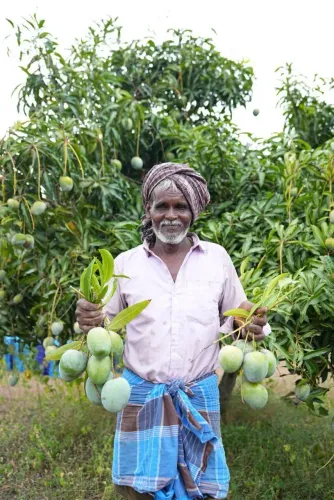
Coimbatore, April 11 (NationPress) The escalating unrest in West Asia has critically impacted mango exports from Coimbatore, resulting in traders facing significant financial setbacks during the peak export season.
This disruption is notably evident at the Ukkadam mango market, a key trading point in the region, where export activities have plummeted due to interruptions in international air travel. Typically, exporters dispatch over 60 tonnes of mangoes daily to Gulf nations at the season's onset. Currently, however, these figures have dropped to under five tonnes each day.
The decline in export volume is primarily due to ongoing issues with cargo flights to major destinations like Dubai, Abu Dhabi, and Sharjah, which has severely hindered the transport of perishable items.
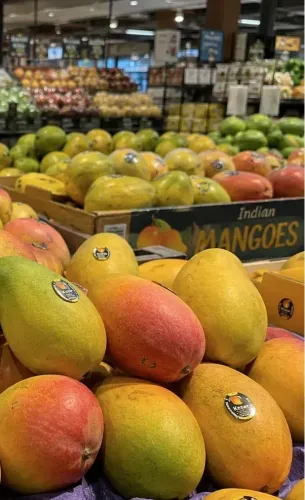
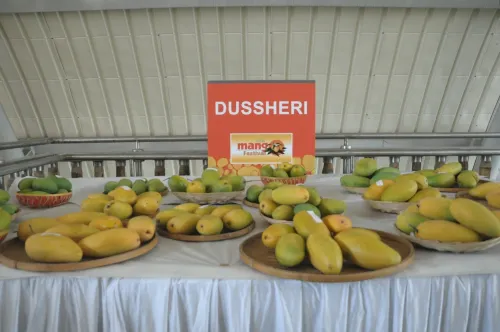
This slump in exports has led to a dramatic decrease in mango prices across various types. For instance, Alphonso mangoes, previously priced at approximately Rs 300 per kg, are now available for around Rs 150. The cost of Banganapalli mangoes has also fallen sharply from Rs 120-Rs 150 per kg to Rs 50–Rs 70, while Senthuram (Sindhura) mangoes have dropped from Rs 150–Rs 170 to Rs 60–Rs 80.
The Imam Pasand variety is not spared either, with prices falling from Rs 200–Rs 240 per kg to Rs 100–Rs 130. Meanwhile, Totapuri mangoes, commonly used in processing, have seen a drastic reduction in price to Rs 15–Rs 25 per kg.
As export avenues remain blocked, a surplus of unsold mangoes has inundated the domestic market, causing a supply glut that further suppresses prices. The perishable nature of mangoes exacerbates this issue, with transportation delays often resulting in spoilage and financial losses.
The current situation has been aggravated by a late onset of the mango season this year, which reduces the timeframe available for profitable sales. This season typically lasts from March to July, characterized by robust export demand, particularly in anticipation of Ramzan, when Gulf markets import significant quantities.
However, this year has seen subdued demand due to logistic challenges. There has been some temporary relief in the local market spurred by festive demand during Chithirai Kani, Tamil New Year, and Vishu, with approximately 150 tonnes sold in recent days.
Despite this uptick, traders continue to endure significant losses, as local sales fail to offset the drastic decline in export income.
Point of View
The ongoing conflict in West Asia has significant ramifications for local economies dependent on agricultural exports. As traders in Coimbatore face unprecedented challenges, it is crucial to address the underlying issues affecting international trade and support measures for impacted communities.
NationPress
19 Sept 2026
Frequently Asked Questions
Why have mango exports from Coimbatore declined?
Mango exports from Coimbatore have declined due to ongoing tensions in West Asia, which have disrupted international air connectivity, affecting the shipment of perishable goods.
What are the current mango prices in Coimbatore?
Mango prices in Coimbatore have dropped significantly, with Alphonso mangoes now priced at around Rs 150 per kg, and Banganapalli varieties falling to Rs 50–Rs 70 per kg.
How has the domestic market been affected?
The domestic market has seen a surplus of unsold mangoes due to disrupted export channels, leading to a supply glut and further price reductions.
What is the typical mango export season?
The mango export season typically runs from March to July, coinciding with high demand leading up to festivals like Ramzan.
Have there been any recent sales in the local market?
Yes, there was a temporary increase in local sales during festive periods like Chithirai Kani, Tamil New Year, and Vishu, with around 150 tonnes sold recently.