Are Digital Divide and Cybersecurity Threats Being Addressed in the Budget Session?
Synopsis
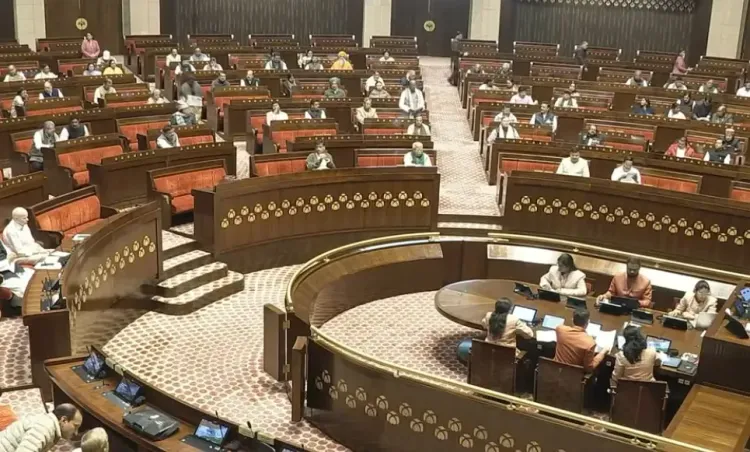
In a riveting session, members of the Rajya Sabha highlighted the urgent issues of the digital divide and cybersecurity threats that jeopardize equitable access to technology and national security. Their interventions shed light on the challenges faced by vulnerable populations and the critical need for robust cybersecurity measures.
Key Takeaways
Digital Divide: Many citizens face exclusion from essential services.
Cybersecurity Threats: Increasing risks demand urgent attention.
Education Gap: Rural institutions lack digital infrastructure.
Government Services: Access is increasingly digital.
Electoral Concerns: Vulnerable voters face disenfranchisement.
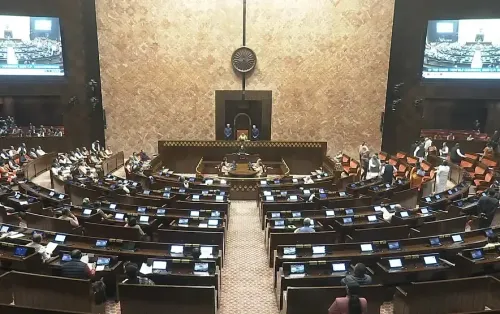
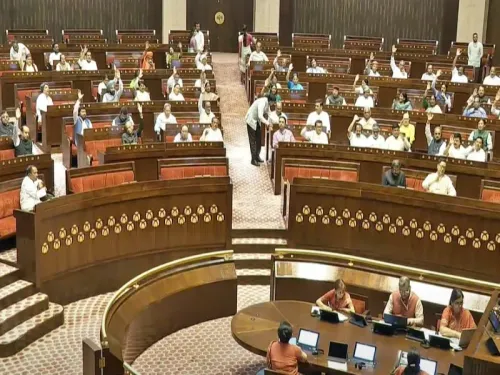
New Delhi, Feb 2 (NationPress) During the current Budget Session of Parliament, the Rajya Sabha engaged in significant discussions regarding urgent national matters, with members expressing concerns about the widening digital divide and the increasing risks posed by cybersecurity breaches.
Dr. V. Sivadasan, the CPI(M) MP from Kerala, spotlighted the glaring national digital divide that continues to leave many citizens without access to essential services and opportunities.
He emphasized that numerous educational institutions nationwide are still lacking proper digital infrastructure, resulting in students—especially in rural and underprivileged regions—being denied access to modern educational tools and online learning resources. This gap has persisted despite initiatives such as Digital India.
Sivadasan pointed out that thousands of workers eligible for the Mahatma Gandhi National Rural Employment Guarantee Act (MGNREGA) have faced difficulties in registering or claiming their entitlements due to insufficient digital facilities, including smartphones, Internet access, or basic digital literacy.
He warned that millions of citizens are effectively excluded from accessing various government services, which are increasingly becoming digital, including welfare programs, subsidies, and application portals.
Relating this matter to ongoing electoral processes, the MP mentioned the Special Intensive Revision (SIR) exercise for electoral rolls, currently taking place in several states. He argued that the SIR has heightened fears regarding the digital divide, as many individuals—particularly from marginalized communities—lack the necessary digital documentation, Internet access, or knowledge to engage in online verification or submission processes.
This situation, he cautioned, jeopardizes the voting rights of vulnerable citizens and threatens democratic inclusivity.
In the same session, Babubhai Jesangbhai Desai, a BJP MP from Gujarat, raised alarms regarding the surge in cybersecurity threats and cyberattacks.
He highlighted the vulnerabilities present in critical sectors such as banking, government databases, and infrastructure amid India's rapid digital evolution.
Desai urged for stronger protections, improved cybersecurity frameworks, and proactive measures to safeguard citizens and institutions from sophisticated cyber threats, which have grown significantly in recent years.
These discussions occur against a backdrop of intense debates in the Budget Session, where opposition parties have repeatedly raised concerns about replacing MGNREGA with alternative employment schemes and the implications of SIR on voter participation.
The government's responses have asserted that these issues were adequately addressed in previous sessions.
The ongoing discussions underscore broader worries about equitable access to technology in a digitally driven economy and the necessity for strong defenses against cyber risks.
As Parliament continues with the Motion of Thanks on the President's Address and prepares for the Union Budget, these concerns are expected to remain at the forefront of future discussions.
Point of View
It is imperative to recognize the challenges posed by the digital divide and cybersecurity threats as we navigate a technology-driven landscape. The discussions in Parliament reflect a growing urgency to address these issues to ensure that all citizens can access government services and participate fully in democracy.
NationPress
27 Sept 2026
Frequently Asked Questions
What is the digital divide?
The digital divide refers to the gap between individuals who have easy access to digital technology and those who do not, resulting in disparities in opportunities and services.
Why are cybersecurity threats a concern?
Cybersecurity threats pose risks to individuals, institutions, and national security, as they can lead to data breaches, financial losses, and disruptions in critical services.
How does the digital divide affect education?
The digital divide affects education by limiting access to modern learning tools and resources, particularly for students in rural and underserved areas.
How can cybersecurity be improved?
Improving cybersecurity can be achieved by implementing stronger protections, enhancing frameworks, and educating citizens about safe online practices.