How is Gujarat Protecting Its Energy Infrastructure from Cyber Threats?

Synopsis
In a groundbreaking move, Gujarat has established a Core Committee and Task Force to defend its energy infrastructure against cyber threats. This initiative, driven by top leaders, aims to create a resilient energy sector amidst rising digital risks. Discover how Gujarat is leading the charge in cybersecurity for its vital energy resources.
Key Takeaways
Gujarat has formed a Core Committee and Task Force for cyber security.
The initiative aims to protect the energy sector from cyber threats.
Collaboration with experts and institutions is key to success.
Challenges include increasing cyber attacks and a shortage of skilled professionals.
Resilience in energy infrastructure is essential for industrial growth.
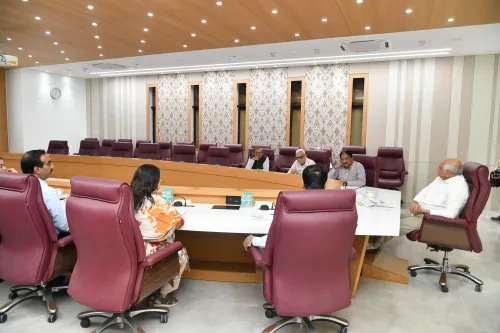
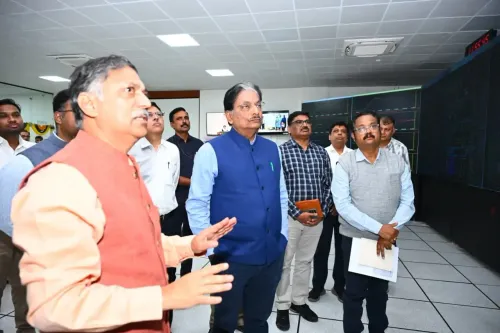
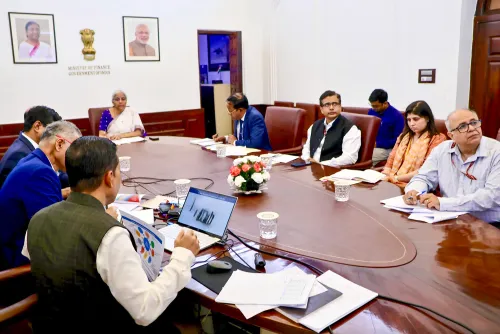
Gandhinagar, Jan 1 (NationPress) In a strategic initiative to protect the State's energy infrastructure from potential cyber attacks, the Gujarat government has formed a Core Committee and a Task Force led by Chief Minister Bhupendra Patel and Energy Minister Rishikesh Patel. This effort focuses on preparing Gujarat's energy sector against evolving cyber threats due to the rising use of modern and digital technologies.
With the integration of smart meters, smart grids, and SCADA systems into the State's continuous power supply network, the risks of cyber intrusions have escalated. To mitigate this, the Energy and Petrochemicals Department (EPD) has established an 11-member Core Committee and a 19-member Task Force. Their mission is to evaluate vulnerabilities, review response readiness, and formulate a comprehensive strategy for cyber security within the energy sector.
The committees will scrutinize IT and cyber security measures for essential infrastructure, assess cyber policies, and analyze incident response strategies. They will also propose enhancements, design a detailed cyber security framework, and implement initiatives such as cyber drills, specialized training, and public awareness campaigns.
Collaboration with academic institutions, industry specialists, and government agencies at both national and state levels will be crucial to ensure a unified strategy.
The goal of this initiative is to create a robust, organized, and future-ready cyber security system, ensuring that Gujarat's energy infrastructure remains resilient against dynamic cyber threats while facilitating uninterrupted power supply and supporting industrial advancement.
India is at the forefront of a rapidly changing cyber security landscape, driven by the nation's increasing dependence on digital infrastructure, e-governance, and emerging technologies like IoT, cloud computing, and smart grids.
Significant challenges include frequent ransomware and malware attacks, phishing, data breaches, and advanced persistent threats targeting critical sectors such as energy, finance, healthcare, and defense.
The shortage of skilled cyber security professionals, inconsistent regulatory enforcement, and low cyber awareness among individuals and small businesses further intensify these risks. Moreover, nation-state attacks and cross-border cyber threats present strategic challenges, underscoring the urgent need for solid frameworks, threat intelligence sharing, and a culture of proactive cyber security across both government and private sectors.
Point of View
It is imperative to acknowledge Gujarat's forward-thinking strategy in enhancing cyber security for its energy infrastructure. With the growing reliance on digital technologies, this initiative exemplifies a commitment to resilience and advancement in safeguarding critical resources. Nationally, we must support such measures that strengthen our capabilities against cyber threats.
NationPress
19 Sept 2026
Frequently Asked Questions
What is the purpose of the Core Committee and Task Force?
The Core Committee and Task Force were established to assess vulnerabilities and enhance cyber security in Gujarat's energy sector.
Who leads the initiative in Gujarat?
The initiative is led by Chief Minister Bhupendra Patel and Energy Minister Rishikesh Patel.
What are the major challenges in India's cyber security?
Major challenges include ransomware attacks, phishing, data breaches, and a lack of skilled professionals.
How will collaboration enhance cyber security efforts?
Collaboration with academic institutions and industry experts will ensure a unified and effective approach to cyber security.
Why is cyber security important for energy infrastructure?
Cyber security is crucial for protecting essential services and ensuring the uninterrupted supply of power, which is vital for industrial growth.