Is Congress Right to Claim the Economy is Under Mortgage Due to the India-US Trade Agreement?
Synopsis
As India finalizes a trade deal with the US, Congress claims the government has compromised the economy. The deal, reducing tariffs on Indian goods to 18%, raises concerns about its implications for farmers and sovereignty. Is this really a mortgage on India's economy, or a step towards stronger global ties? Read on for insights.
Key Takeaways
The India-US trade agreement reduces tariffs on Indian goods to 18%.
Congress alleges the government has mortgaged the economy.
The deal has sparked significant political debate.
Key political figures express contrasting views on the agreement.
Concerns regarding the impact on farmers and agriculture are highlighted.
New Delhi, Feb 4 (NationPress) - Following the agreement between India and the United States regarding a trade deal that will reduce Washington's tariff on Indian goods to 18 percent, the Congress party has criticized the government, asserting that it has effectively mortgaged the entire Indian economy under the guise of this trade agreement.
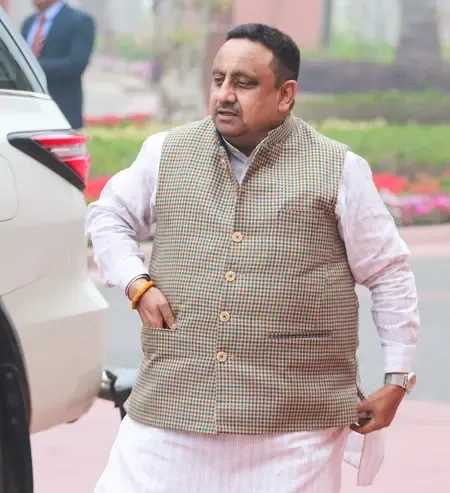
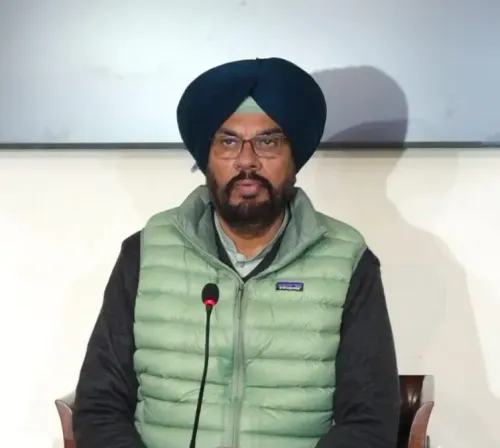
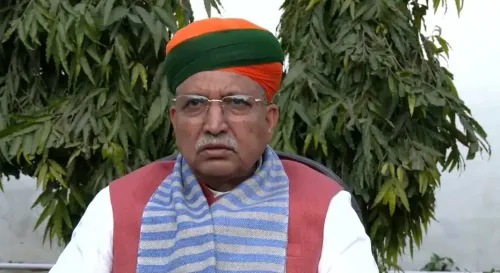
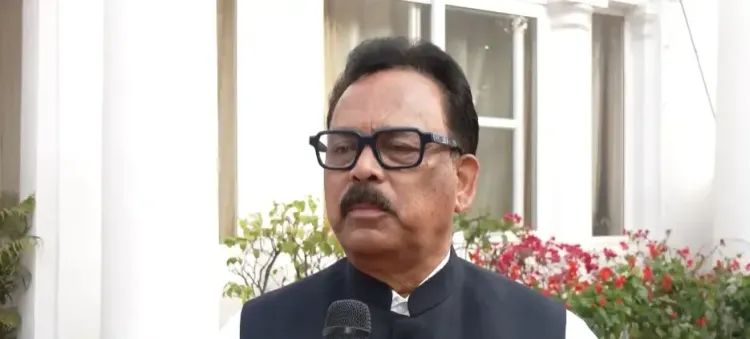
Congress MP Sukhdeo Bhagat remarked, "They will clarify this after Trump speaks. These discussions should have occurred earlier. My focus is on the farmers of our nation, who have been put in jeopardy. While all imports from the US will face no tax or tariff, we will be subjected to an 18 percent tariff on our exports. Therefore, I contend that the government has mortgaged the entire Indian economy through this trade deal."
BJP MLA Vikram Randhawa expressed a more positive outlook, stating, "It's unfortunate that, despite having a strong government in power that has established India's credibility globally, the Leader of the Opposition, who has diminished Congress to nearly nothing, is the one representing the party. I believe he has lost his mental stability and is being manipulated by external forces that do not wish to see India thrive as a powerful nation."
Bihar Minister Ram Kripal Yadav emphasized, "This agreement pertains to agriculture and dairy, which are closely tied to our farmers. Our agricultural development is a sovereign matter, and we will not allow any interference. Agriculture has consistently been excluded from trade agreements and will remain so this time as well."
Earlier today, Congress MP Manish Tewari submitted a notice for an adjournment motion in the Lok Sabha to discuss the India-US trade agreement.
The trade deal was finalized on February 2, following a phone conversation between Prime Minister Narendra Modi and President Donald Trump.
Additionally, Rahul Gandhi, the Leader of the Opposition in the Lok Sabha, accused Prime Minister Modi of being "compromised" and "under pressure," suggesting that this is the rationale behind the signing of the India-US trade agreement.
Point of View
The allegations made by Congress regarding the India-US trade agreement reflect deep-seated concerns about economic sovereignty and the welfare of farmers. While the deal aims to strengthen trade ties, it is crucial to assess its long-term impacts on vulnerable sectors. The government must ensure that trade agreements do not compromise national interests.
NationPress
27 Sept 2026
Frequently Asked Questions
What is the India-US trade deal about?
The India-US trade deal involves the reduction of tariffs on Indian goods to 18% by the US, which has sparked political debate regarding its impact on the Indian economy.
Why is Congress opposing the trade deal?
Congress argues that the trade deal compromises the Indian economy and specifically harms the interests of farmers, whom they believe are being mortgaged in the process.
What is the government's stance on the deal?
The government, represented by BJP leaders, maintains that the trade deal enhances India's global standing and is beneficial for economic growth.
Who are the key political figures involved in this discussion?
Key figures include Congress MPs Sukhdeo Bhagat and Manish Tewari, as well as BJP MLA Vikram Randhawa and Prime Minister Narendra Modi.
What are the potential implications of this deal?
The deal could lead to increased trade between India and the US, but may also raise concerns regarding domestic industries and agriculture, particularly regarding tariff impositions.