Congress Challenges BJP's Stance on Women’s Reservation and Delimitation
Synopsis
In a heated response, Congress has accused the BJP of being 'anti-women' while addressing delays in the Women's Reservation Bill and the delimitation exercise, emphasizing the need for broader consultations. This controversy is set against the backdrop of significant constitutional changes proposed in the upcoming Special Session of Parliament.
Key Takeaways
Congress accuses BJP of being anti-women .
Call for implementation of Women’s Reservation Bill .
Delimitation requires broader consultation .
Upcoming Special Session of Parliament is critical .
Political reactions highlight the urgency of reforms .
New Delhi, April 15 (NationPress) The Congress party escalated its criticism of the Central Government on Wednesday regarding the Women's Reservation Bill and the proposed delimitation initiative, branding the Bharatiya Janata Party (BJP) as “anti-women” and asserting that they are proceeding without proper consultation on vital constitutional amendments.
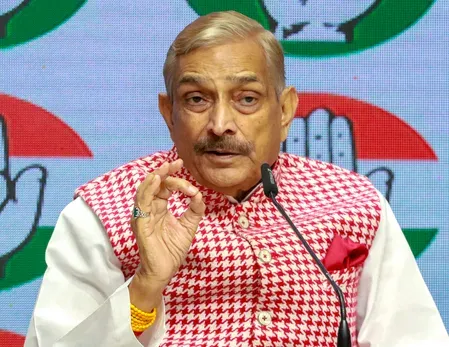
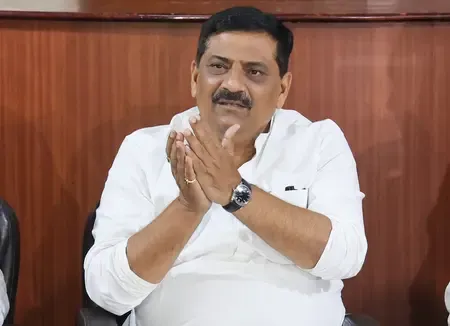
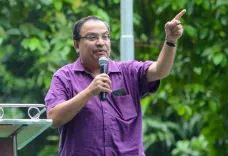
Spokesperson Surendra Rajput of Congress slammed the government for postponing the enactment of the Women's Reservation Bill, asserting, "The Congress party has unveiled the Bharatiya Janata Party's anti-women stance. When the Women's Reservation Bill was unanimously approved in Parliament in 2023, we urged that it be enacted in time for the 2024 Lok Sabha elections. Numerous elections have occurred since; it would have been preferable for its implementation to have been earlier. The BJP's anti-women image is clear—it was evident when they failed to implement it sooner."
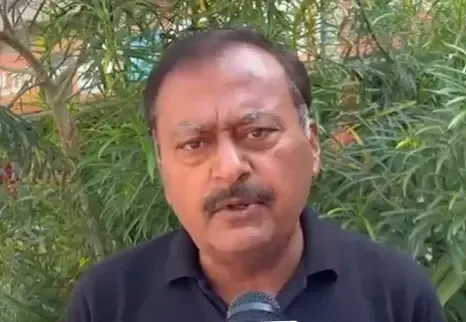
Additionally, Congress leader Rakesh Sinha expressed apprehensions regarding the Centre’s tactics surrounding delimitation, urging for more extensive dialogue prior to enacting such a substantial reform.
He remarked, "Delimitation is a topic that necessitates thorough discussion. The central government plans to introduce this delimitation bill in the Lok Sabha without convening an all-party meeting or consulting the public. This clearly showcases their arrogance; discussions should have taken place. Simply bringing up women's reservation and presenting delimitation is inappropriate without dialogue."
These statements emerge as the Centre prepares for significant constitutional alterations during the forthcoming Special Session of Parliament slated for April 16 and 17.
The Union Government has introduced a pivotal reform through The Constitution (One Hundred and Thirty First Amendment) Bill, 2026, aiming to augment the Lok Sabha's strength. This Bill also suggests modifications to Article 82 of the Constitution, which governs the reallocation of parliamentary constituencies after each Census.
This initiative is associated with the broader strategy to enforce 33 percent reservation for women in the Lok Sabha and state assemblies, a provision initially endorsed under the Women’s Reservation Act, 2023, but yet to be applied due to delays stemming from census and delimitation processes.
The topic has already incited political reactions from various parties. With several parties expressing concerns regarding timing, implementation, and representation, the suggested reforms are poised to ignite intense discussions in Parliament.
Point of View
With the Congress party asserting the need for more inclusive dialogue regarding major legislative changes. The emphasis on women's representation and the handling of delimitation issues reflects broader societal concerns that warrant careful consideration by all political entities involved.
NationPress
18 Sept 2026
Frequently Asked Questions
What is the Women's Reservation Bill?
The Women's Reservation Bill aims to provide 33% reservation for women in the Lok Sabha and state assemblies, promoting greater gender equality in political representation.
Why is delimitation important?
Delimitation is crucial as it involves redrawing the boundaries of parliamentary constituencies based on population data, ensuring fair representation in elections.
What are the concerns raised by Congress?
Congress has raised concerns about the BJP's lack of consultation with various stakeholders before implementing significant constitutional changes, labeling the BJP's actions as 'arrogant'.
When was the Women's Reservation Bill passed?
The Women's Reservation Bill was passed unanimously in Parliament in 2023.
What is the significance of the upcoming Special Session of Parliament?
The Special Session is significant as it is set to address major constitutional changes, including the proposed amendments related to women's reservation and delimitation.