Is Congress Targeting DMK Over Power Sharing, Highlighting Kerala's UDF Model?
Synopsis
Congress MP Manickam Tagore has raised serious concerns regarding the DMK's approach to coalition governance, contrasting it with Kerala's UDF model. His statements highlight the importance of shared power, responsibility, and collective decision-making in successful alliances. This article delves into Tagore's critique and hopes for a better coalition future.
Key Takeaways
Coalition governance should be inclusive and participatory.
The UDF model serves as a hopeful template for future alliances.
Power should be shared among coalition partners, not concentrated.
Responsible allocation of portfolios is key to successful governance .
Respecting social and political diversity is essential in decision-making.
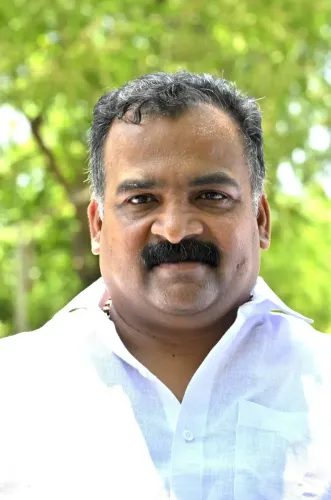
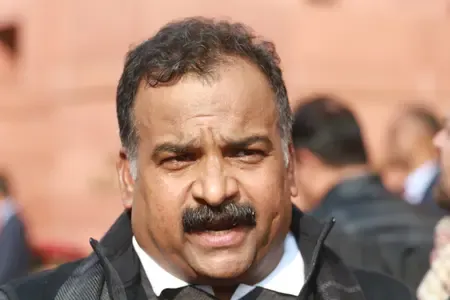
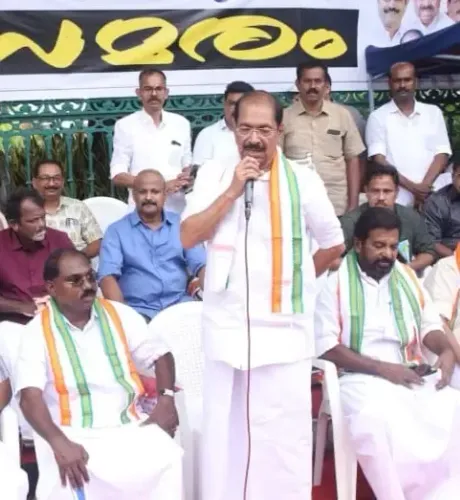
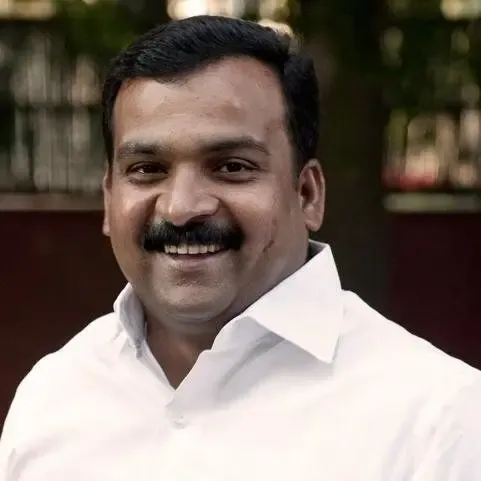
Chennai, Jan 15 (NationPress) Congress MP Manickam Tagore has directed a pointed criticism at the DMK, charging it with a lack of tolerance towards its coalition partners who are advocating for equitable participation in governance and authority.
In a series of Pongal greetings posted on social media, Tagore highlighted what he characterized as the DMK’s “centralized approach” as opposed to the cooperative and inclusive model of the United Democratic Front (UDF) in Kerala.
In one of his posts, Tagore remarked, “When a child enters this world, so does a pathway. It's a lesson in grasping our roles within governance.”
He pointed out that the Kerala UDF presents an optimistic framework for coalition governance, where Congress leads without monopolizing power. He emphasized that authority is distributed, not centralized.
Tagore asserted that camaraderie and active participation are the bedrocks of UDF politics.
He elaborated that UDF allies run joint electoral campaigns and sustain their partnerships in governance post-election. “We don’t part ways with allies after elections,” he stated, noting that ministerial roles and significant portfolios are filled through consensus, accountability, and shared responsibility — not through a dominance mindset.
He referenced previous UDF administrations where coalition partners such as the Indian Union Muslim League, Kerala Congress (M), and RSP managed major ministries, including Finance, Education, Public Works, Industry, Social Welfare, and Water Resources with responsibility.
Tagore highlighted that policy-making in Kerala is a collective effort that respects the state's social and political diversity. “No betrayal post-elections, no severing alliances after votes are counted. That is the UDF distinction,” he explained, describing it as “coalition ethics in action.”
He expressed optimism that this democratic UDF framework would prevail once again in 2026.
In response to backlash from DMK supporters, Tagore stated that the demand from Congress workers for equitable governance participation is being unfairly labeled as a transgression and even compared to an “RSS mindset” by DMK supporters on social media.
He refuted claims of disloyalty and recalled the 2016 Tamil Nadu Assembly elections, asserting that when many parties abandoned DMK leader M. Karunanidhi, Congress stood by him and endorsed him as the Chief Ministerial candidate.
He presented vote-share statistics to illustrate that Congress's loyalty significantly bolstered the DMK alliance, despite the party's own decline during that timeframe. “No one needs to instruct us on loyalty or gratitude,” Tagore insisted, urging social media users to engage with responsibility and dignity.
Point of View
The ongoing discourse surrounding coalition dynamics in Indian politics is essential. The debate between Congress and DMK over power-sharing reflects broader themes of inclusivity and responsibility in governance. This conversation resonates across the political spectrum and is vital for ensuring democratic integrity.
NationPress
19 Sept 2026
Frequently Asked Questions
What is the UDF model?
The UDF model is a coalition governance framework practiced in Kerala, emphasizing shared power among partners rather than centralized control.
Why did Manickam Tagore criticize the DMK?
Manickam Tagore criticized the DMK for its alleged intolerance towards coalition partners who seek a fair share in governance.
What are the key principles of UDF politics?
Key principles of UDF politics include friendship, shared responsibility, and collective decision-making among coalition partners.
How does the UDF compare to DMK's approach?
The UDF promotes inclusivity and collaboration, while Tagore criticizes the DMK for a centralized approach that marginalizes coalition partners.
What are Tagore's hopes for the future of UDF?
Tagore hopes that the UDF model will continue to succeed and provide a framework for effective coalition governance in the future.