CPI(M) to legally challenge Bengal's poll bar on new teachers
Synopsis
West Bengal's cabinet has cleared a proposal to bar future WBSSC-recruited teachers from contesting any election — and CPI(M)'s Bikas Ranjan Bhattacharya, a senior advocate and former KMC Mayor, has already declared he will challenge it in the Calcutta High Court as unconstitutional. With serving teachers also sceptical and no parallel move to depoliticise education committees, the government's 'reform' framing faces credibility questions before the ink is even dry.
Key Takeaways
The West Bengal cabinet on 29 October 2026 cleared a proposal to bar teachers recruited henceforth through the WBSSC from contesting panchayat, municipal, Lok Sabha, and Assembly elections.
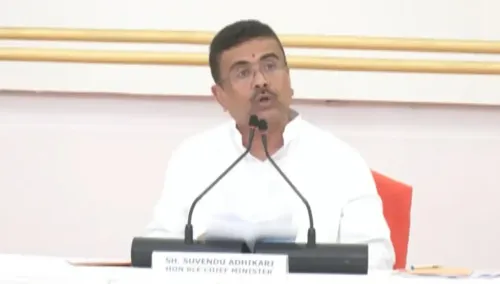
Chief Minister Suvendu Adhikari said the clause will not apply retroactively to serving teachers who are already elected representatives.
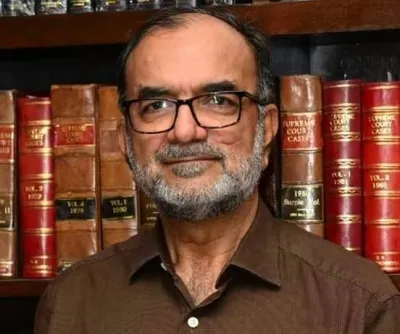
CPI(M) leader and senior advocate Bikas Ranjan Bhattacharya called the move unconstitutional and pledged to challenge it in the Calcutta High Court .
A section of serving teachers also opposed the move, arguing the government has not removed political appointees from education-related committees.
The restriction has not yet been formally notified; legal action will follow once it is officially incorporated into the WBSSC recruitment rules.
The Communist Party of India (Marxist) leadership has decided to mount a legal challenge against any move by the West Bengal government to bar teachers newly recruited in state-run schools from contesting elections to panchayats, municipal bodies, the Lok Sabha, and Assembly constituencies. The development follows a cabinet-cleared proposal on Wednesday, 29 October 2026, to introduce a disqualification clause in the recruitment rules of the West Bengal School Service Commission (WBSSC).
What the Government Announced
West Bengal Chief Minister Suvendu Adhikari confirmed on Wednesday that a new clause will be inserted into the WBSSC recruitment rules, barring would-be teachers — those recruited henceforth — from contesting any election. The proposal was formally cleared at a state cabinet meeting the same day. Adhikari clarified, however, that the restriction will not apply retroactively to serving teachers who already hold elected public office.
CPI(M)'s Legal Counter-Move
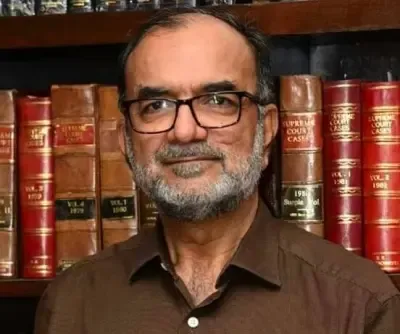
Former CPI(M) Rajya Sabha member and senior advocate Bikas Ranjan Bhattacharya — also the former Mayor of the Kolkata Municipal Corporation (KMC) — said he will escalate the matter to court once the proposal is formally incorporated into the recruitment rules. 'It will not be easy to suppress the democratic rights of the common people. Any attempt to do this will be opposed legally,' Bhattacharya said. He further called the proposal unconstitutional, adding: 'So let the decision be officially implemented. I will take up the matter at the Calcutta High Court.'
Teachers Themselves Divided — and Sceptical
A section of serving teachers has also pushed back, questioning the Chief Minister's stated rationale of depoliticising the education sector. A headmaster of a state-run higher secondary school, who declined to be identified, said the government's selective action undermines the claim. 'Had the Chief Minister been serious about depoliticising the sector, he would have removed political persons from different education-related committees. But that did not happen,' the headmaster said. He further noted that existing laws and regulations in West Bengal do not prevent schoolteachers from engaging in active politics, warning that implementing the bar without amending those laws would create legal obstacles.
Why This Matters
The proposed clause strikes at a long-standing practice in West Bengal, where school teachers have historically been active participants in local and state-level elections across party lines. Critics argue that singling out future recruits — rather than enforcing a uniform standard — reflects a targeted political calculation rather than a principled reform. Notably, the state government has not indicated any parallel move to restrict political appointments to education-related committees, which Bhattacharya and others say is the more direct route to depoliticisation. The Calcutta High Court has previously intervened in WBSSC recruitment controversies, lending credibility to the threat of judicial scrutiny.
What Comes Next
The disqualification clause will take effect only once it is formally notified in the WBSSC recruitment rules — a step that has not yet occurred. Once it is, Bhattacharya has stated he will file a petition before the Calcutta High Court. The legal battle, if it materialises, is likely to test whether a state government can constitutionally restrict a class of public employees from exercising their right to contest elections.
Point of View
And Bhattacharya is a credentialled litigant, not a political bluffer. The deeper question is whether any state government can constitutionally create an employment class that waives the right to contest elections — a matter the courts will now have to settle.
NationPress
29 Oct 2026
Frequently Asked Questions
What is the West Bengal government's proposal regarding new teachers and elections?
The West Bengal cabinet has cleared a proposal to insert a clause in the WBSSC recruitment rules that would bar teachers recruited henceforth in state-run schools from contesting elections to panchayats, municipal bodies, the Lok Sabha, and state Assembly. The restriction will not apply to teachers already serving who hold elected positions.
Why is CPI(M) challenging this proposal?
CPI(M) leader and senior advocate Bikas Ranjan Bhattacharya has called the proposal unconstitutional, arguing it suppresses the democratic rights of citizens. He has pledged to file a petition before the Calcutta High Court once the clause is formally notified in the WBSSC recruitment rules.
Has the bar come into effect yet?
No. The cabinet cleared the proposal on 29 October 2026, but the disqualification clause will only take effect once it is formally incorporated into the WBSSC recruitment rules. No formal notification has been issued yet.
What is Chief Minister Suvendu Adhikari's stated reason for the move?
Chief Minister Suvendu Adhikari has framed the proposal as a step to depoliticise the education sector. However, critics — including serving teachers — have questioned this rationale, pointing out that no action has been taken to remove political persons from education-related committees.
How have serving teachers responded to the proposal?
A section of serving teachers has opposed the move, with at least one headmaster of a state-run higher secondary school saying the existing laws in West Bengal do not bar schoolteachers from active politics. He argued that implementing the ban without amending those laws would face legal obstacles.