Delhi CM Rekha Gupta attends Ganga Aarti at Dashashwamedh Ghat
Synopsis
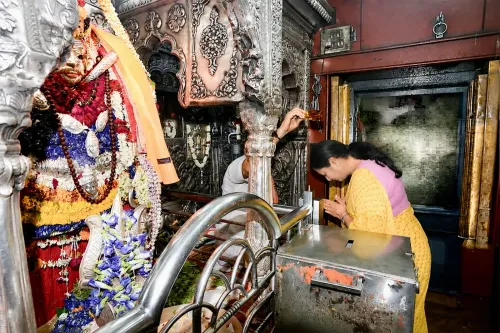
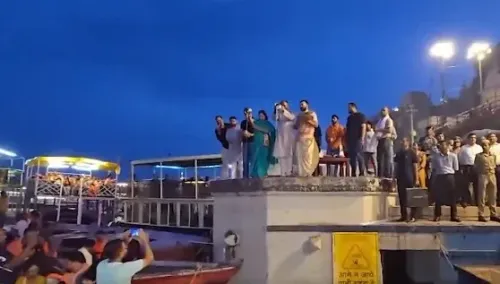
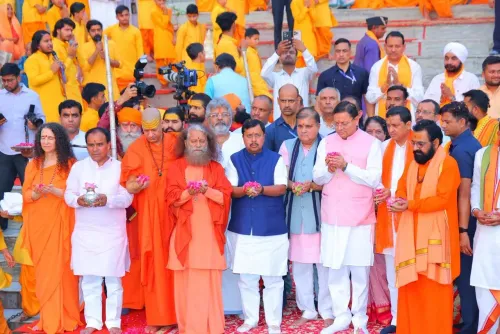
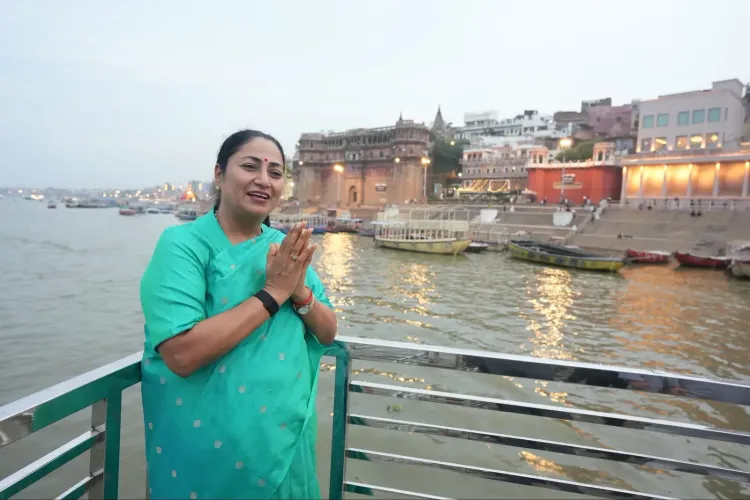
Delhi Chief Minister Rekha Gupta attended the evening Ganga Aarti at Dashashwamedh Ghat in Varanasi on 18 July 2026, sharing devotional images and invoking blessings of Kashi Vishwanath and Maa Ganga for the well-being of all.
Key Takeaways
Delhi CM Rekha Gupta attended the Ganga Aarti at Dashashwamedh Ghat , Varanasi, on 18 July 2026 .
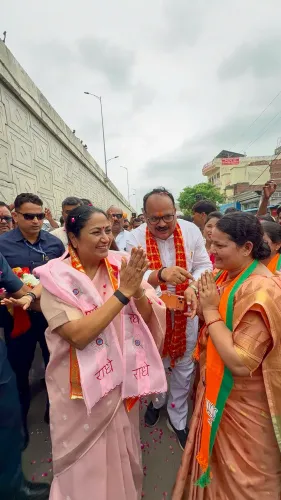
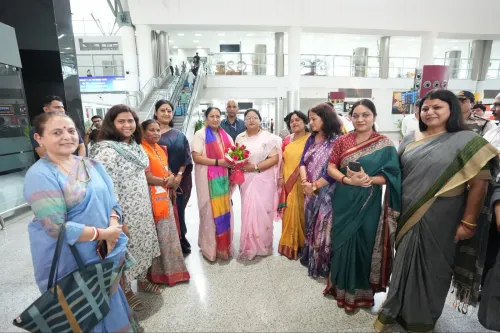
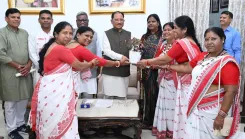
She described the experience as a moment of deep spiritual fortune, sharing 4 images from the ceremony.
Dashashwamedh Ghat hosts a daily evening fire-worship ritual attended by thousands of pilgrims and tourists.
The Kashi Vishwanath Temple , one of India's twelve Jyotirlingas, was central to her devotional visit.
The visit aligns with BJP 's broader emphasis on cultural heritage and Hindu pilgrimage promotion.
The Kashi Vishwanath Corridor , inaugurated in December 2021 , has significantly upgraded pilgrim infrastructure in Varanasi.
Delhi Chief Minister Rekha Gupta visited Varanasi on Saturday, 18 July 2026, attending the evening Ganga Aarti at Dashashwamedh Ghat and seeking blessings at the Kashi Vishwanath Temple. She described the experience as a moment of profound spiritual fortune, sharing images from the riverside ceremony on social media.
Posting in Hindi, Gupta wrote: 'Aanandvan Kashi mein sandhya utarti hai, to lagta hai maano swayam Devadhidev Mahadev ki nagri deepon ki jyoti mein aalokit ho uthi ho' — ('When evening descends on Kashi, it feels as though the city of Lord Mahadev himself is illuminated by the light of lamps.'). She invoked the blessings of Baba Shri Kashi Vishwanath and Maa Ganga for the happiness, prosperity, and well-being of all people, closing with the devotional chant 'Har Har Mahadev.'
Context
Dashashwamedh Ghat is among the oldest and most sacred riverfront steps on the Ganges in Varanasi. Every evening, priests conduct an elaborate Ganga Aarti — a fire-worship ritual involving large brass lamps, conch shells, and chanting — that draws thousands of pilgrims and tourists. Gupta described witnessing the 'unceasing flow of the Ganges, the golden radiance of lamps, the sound of conch shells, and the resonating chant of Har Har Mahadev.'
Varanasi, one of the world's oldest continuously inhabited cities, holds special significance in Hinduism as the abode of Lord Shiva. The Kashi Vishwanath Temple is one of the twelve Jyotirlingas — the most sacred Shiva shrines in India.
Policy Backdrop
The visit comes against the backdrop of sustained central government investment in Varanasi's religious and tourism infrastructure. The Kashi Vishwanath Corridor, inaugurated by Prime Minister Narendra Modi in December 2021, redeveloped the area around the temple to improve access and pilgrim facilities, significantly raising the site's profile as a spiritual destination.
Since 2014, successive central government initiatives have focused on riverfront development, temple infrastructure, and the promotion of religious tourism along the Ganges belt. Varanasi, which is also Prime Minister Modi's parliamentary constituency, has been a focal point of this push.
Stakeholders and Impact
Hindu pilgrims and religious tourists form the primary constituency for whom Varanasi's infrastructure investments are intended. The Ganga Aarti at Dashashwamedh Ghat draws visitors from across India and internationally, making it one of the most-attended daily religious ceremonies in the country.
BJP leaders, including chief ministers and senior functionaries, regularly share devotional visits to major Hindu pilgrimage sites. Such visits reinforce the party's emphasis on cultural heritage and the promotion of Sanatan (eternal Hindu) values as a political and cultural identity marker.
What's Next
It remains to be seen whether Chief Minister Rekha Gupta's visit will be followed by any policy announcements from the Delhi government relating to cultural tourism, pilgrimage infrastructure, or religious heritage. Delhi is home to a large number of Varanasi-origin communities, and symbolic visits to Kashi by Delhi's leadership have historically resonated with that constituency.
As religious tourism in Uttar Pradesh continues to grow under sustained government promotion, visits by leaders from other BJP-governed states to Varanasi are likely to remain a recurring feature of the party's public communication.
Point of View
As both a Jyotirlinga city and Prime Minister Modi's constituency, carries particular symbolic weight within the party's cultural politics. Such visits signal alignment with the BJP's civilisational narrative at a time when religious tourism and temple infrastructure have become central planks of governance in BJP-ruled states. Whether the Delhi government follows up with any pilgrimage or heritage-linked policy will determine if this was a personal visit or the opening of a policy conversation.
NationPress
17 Oct 2026
Frequently Asked Questions
Why did Delhi CM Rekha Gupta visit Varanasi?
Delhi Chief Minister Rekha Gupta visited Varanasi on 18 July 2026 to attend the evening Ganga Aarti at Dashashwamedh Ghat and seek blessings at the Kashi Vishwanath Temple, sharing the experience as a moment of spiritual significance.
What is the Ganga Aarti at Dashashwamedh Ghat?
The Ganga Aarti at Dashashwamedh Ghat is a nightly fire-worship ritual performed by priests on the banks of the Ganges in Varanasi, involving large brass lamps, conch shells, and Vedic chants. It is one of the most attended religious ceremonies in India.
What is the Kashi Vishwanath Temple?
The Kashi Vishwanath Temple in Varanasi is one of the twelve Jyotirlingas — the holiest shrines dedicated to Lord Shiva in Hinduism. Its surrounding area was redeveloped through the Kashi Vishwanath Corridor project inaugurated by Prime Minister Modi in December 2021.
What did Rekha Gupta say about her Varanasi visit?
Rekha Gupta wrote in Hindi that witnessing the evening aarti in Kashi felt like the city of Lord Mahadev was illuminated by the light of lamps, and she prayed that the blessings of Kashi Vishwanath and Maa Ganga bring happiness, prosperity, and well-being to all.
Is Varanasi significant for BJP leaders?
Yes. Varanasi is Prime Minister Narendra Modi's parliamentary constituency and a major Hindu pilgrimage centre. BJP leaders regularly visit the city, and the central government has invested heavily in its temple and riverfront infrastructure since 2014.