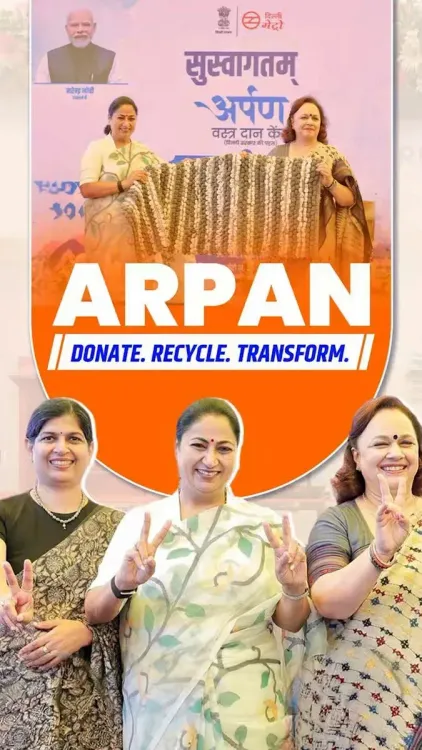
CM Rekha Gupta Promotes 'Arpan' Clothes Donation Drive in Delhi
Synopsis
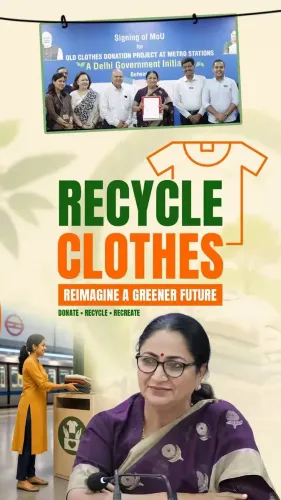
Delhi Chief Minister Rekha Gupta promoted 'Arpan', a clothing reuse, recycling and upcycling initiative, urging residents to donate usable garments to cut textile waste and generate livelihoods for informal-sector workers in the capital.
Key Takeaways
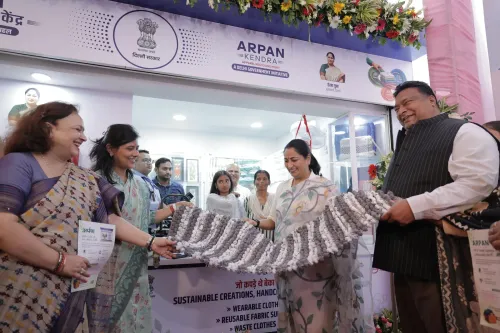
Arpan is a Delhi government-promoted initiative channelling donated clothes through reuse, recycling, and upcycling.
CM Rekha Gupta made the public appeal on 3 August 2026 , calling residents to 'be a part of the change.' The drive links environmental goals — reducing landfill-bound textile waste — with livelihood creation for informal workers.
The campaign sits within a broader national tradition of citizen-led cleanliness drives rooted in the Swachh Bharat Mission (2014) .
Participation volume from Delhi's population of over 30 million will be the decisive factor in the programme's real-world impact.
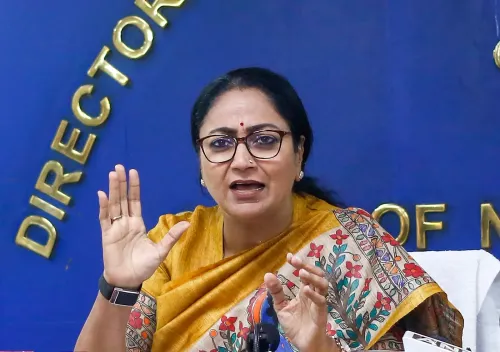
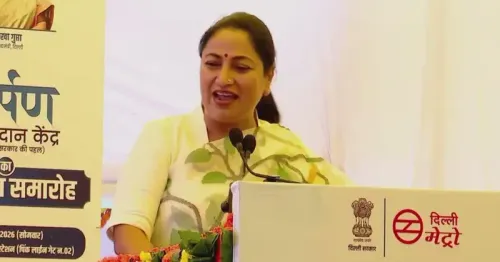
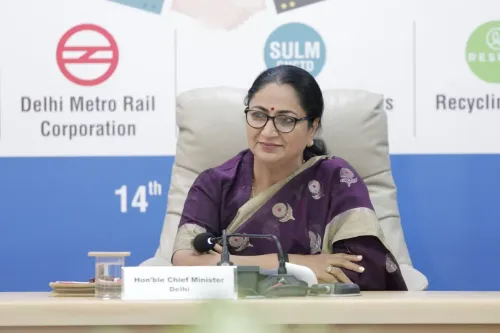
Old clothes sitting unused in Delhi wardrobes now have a second life — and a purpose. Delhi Chief Minister Rekha Gupta on Monday, 3 August 2026, called on residents across the capital to donate usable clothing through 'Arpan', an initiative designed to turn textile waste into livelihoods while trimming the city's environmental footprint.
What Arpan does — and why textiles matter
The initiative channels donated garments through three pathways: direct reuse, recycling into raw material, and upcycling into new products. That three-pronged model targets one of urban India's quieter waste crises — discarded textiles that typically end up in landfills rather than back in circulation.
Gupta framed the drive in civic terms: 'With Arpan, old clothes find new purpose through reuse, recycling and upcycling, creating livelihoods while making Delhi cleaner and greener.' The campaign hashtag #DelhiGreenWarrior positions ordinary residents as active agents of the city's sustainability push.
Circular economy, informal workers, and Swachh Bharat's long shadow
Arpan fits a pattern visible across Indian state capitals: circular-economy drives that stitch together environmental goals with income generation for informal-sector workers — ragpickers, sorters, and small recyclers who form the backbone of India's textile recovery chain. The logic traces back to the Swachh Bharat Mission launched in 2014, which embedded waste segregation and citizen participation into national policy DNA.
Delhi has run parallel cleanliness and green-city programmes in recent years, and Arpan appears to extend that lineage into the apparel sector — one where household participation is the critical variable. Without a steady inflow of donated clothes, the recycling and upcycling pipeline stalls.
The ask: a wardrobe audit, not a policy debate
The Chief Minister's call-to-action is deliberately simple. No registration, no bureaucratic step — just a donation. That low-friction design is intentional: textile drives succeed or fail on participation volume, and Delhi's population of over 30 million represents an enormous potential supply of usable garments.
Whether Arpan scales into a measurable programme — with verified collection points, NGO tie-ups, and published diversion numbers — will determine how much of that potential it actually captures.
Point of View
Lowering resistance and broadening appeal. For the BJP administration in Delhi, a high-visibility green campaign also serves as soft counter-programming against the capital's persistent air-quality narrative. The real test is institutional follow-through: whether collection infrastructure, recycler partnerships, and transparent reporting materialise, or whether Arpan remains a well-branded awareness drive. India's circular-economy ambitions in textiles are genuine, but the gap between campaign launch and measurable diversion remains the sector's defining challenge.
NationPress
17 Sept 2026
Frequently Asked Questions
What is the Arpan scheme in Delhi?
Arpan is a Delhi initiative promoted by Chief Minister Rekha Gupta that collects donated usable clothing and routes it through reuse, recycling, and upcycling to reduce textile waste and support livelihoods.
How can I donate clothes under the Arpan drive?
CM Rekha Gupta's appeal asks Delhi residents to donate usable clothes under the Arpan programme; specific collection points and partner details are expected to be announced through official Delhi government channels.
What is the #DelhiGreenWarrior campaign?
#DelhiGreenWarrior is the hashtag used by Delhi CM Rekha Gupta to rally residents around the Arpan clothes donation drive and broader environmental cleanliness efforts in the capital.
How does Arpan help the environment?
By diverting donated garments to reuse, recycling, and upcycling, Arpan aims to keep textile waste out of Delhi's landfills and reduce the environmental burden of discarded clothing.
Is the Arpan scheme connected to Swachh Bharat Mission?
Arpan aligns with the citizen-participation and waste-reduction principles of the Swachh Bharat Mission launched in 2014, extending that framework specifically to textile and apparel waste.