Delhi CM Rekha Gupta launches idol recycling drive to protect Yamuna
Synopsis
Delhi CM Rekha Gupta is asking citizens to help map collection centres for broken idols — a direct policy push to curb Yamuna pollution from ritual immersion. The move blends environmental intent with cultural sensitivity, and its real test will be whether the infrastructure reaches the neighbourhood level before the next festival season.
Key Takeaways
Delhi CM Rekha Gupta announced a government drive on 19 May to collect and recycle damaged religious idols.
Dedicated collection centres will be set up across Delhi ; citizens are invited to suggest locations.
The initiative aims to reduce idol immersion in the Yamuna River , a known source of festival-related pollution.
Lieutenant Governor T.S.
Sandhu has separately identified Yamuna cleaning as a core pillar of Delhi's urban vision.
Citizens have called for neighbourhood-level 'Murti Kalash' points, citing accessibility as key to behaviour change.
No operational timeline or recycling mechanism has been announced yet.
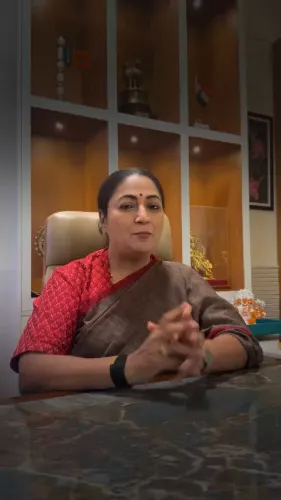
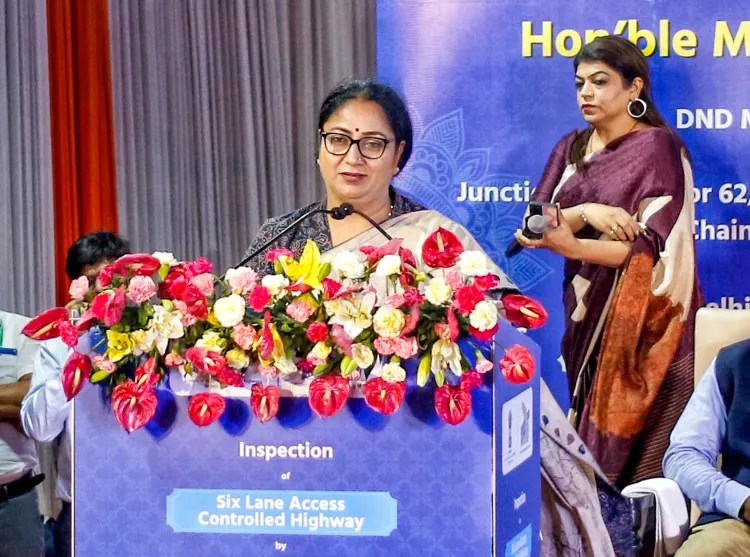
Delhi Chief Minister Rekha Gupta on Tuesday, 19 May announced a government-led drive to collect and recycle damaged religious idols, offering citizens a dignified alternative to immersing such articles of faith in water bodies — including the heavily polluted Yamuna River. The initiative marks one of the first structured policy responses by the Delhi government to the long-standing practice of idol immersion that contributes to river pollution.
What the Initiative Involves
The drive envisions dedicated collection centres across Delhi where residents can deposit broken or damaged idols for respectful recycling. Chief Minister Gupta invited public participation in identifying suitable locations for these centres, seeking suggestions directly from citizens. The outreach reflects an intent to embed community ownership into the programme from the outset.
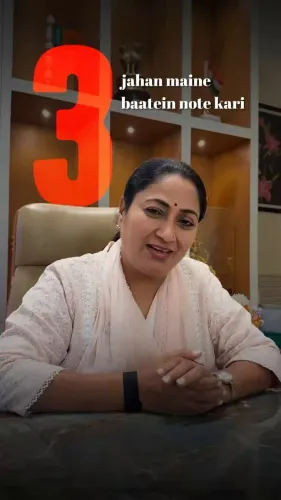
'We're launching dedicated centres to respectfully recycle our cherished idols, a heartfelt step toward a cleaner, culturally mindful Viksit Delhi,' Gupta wrote on X. She added: 'Have a location suggestion? Public participation makes every good initiative stronger. Share your ideas, and let's honour faith with dignity and responsibility, together.'
Public Response
Gupta's video message on social media drew an immediate response. One citizen proposed that every locality have a dedicated 'Murti Kalash' — a collection vessel for broken idols — arguing that collection centres placed far from residential areas discourage proper disposal. 'Faith deserves dignity, and accessibility is the key,' the user noted. Another commended the initiative as 'a very thoughtful step towards respecting our faith, culture, and religious sentiments.'
Alignment with LG's Yamuna Vision
The drive dovetails with the stated priorities of Lieutenant Governor T.S. Sandhu, who has publicly committed to cleaning the Yamuna and identified sustainability, inclusion, culture, innovation, economic growth, and compassion as the five pillars of Delhi's development framework. Speaking recently at a felicitation programme at Jawaharlal Nehru University's (JNU) School of International Studies — of which he is an alumnus — Sandhu underlined that governance must be 'responsive, accessible, and humane.'
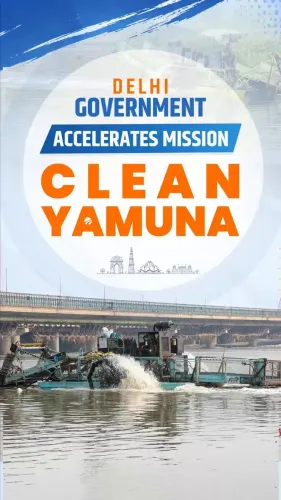
The Lieutenant Governor has flagged air pollution, Yamuna cleaning, water body rejuvenation, waste management, sustainable mobility, and expanded green cover as central to Delhi's urban agenda. 'The Yamuna must not only be cleaned; it must be restored, as a vibrant ecological and cultural lifeline of this city,' he said.
Why It Matters
Idol immersion during festivals such as Ganesh Chaturthi and Navratri is widely cited by environmentalists as a recurring source of chemical dyes, plaster of Paris, and organic waste in the Yamuna — already one of India's most polluted rivers. A structured recycling infrastructure, if rolled out at scale, could reduce this load while preserving religious sentiment. Notably, several other Indian cities have piloted similar collection schemes, with mixed results depending on accessibility and community uptake — precisely the concern citizens have already flagged in response to Gupta's announcement.
What Comes Next
The government has not yet announced a timeline for operationalising the collection centres or the recycling mechanism to be used. Citizen suggestions on centre locations are currently being solicited, suggesting the programme is in its early planning phase. How quickly Delhi can move from announcement to ground-level infrastructure will determine whether this initiative meaningfully shifts immersion behaviour ahead of the next major festival cycle.
Point of View
A recycling partner, and a logistics model that reaches the last locality — not just the well-connected ones — before the next Ganesh Chaturthi. The public enthusiasm is a genuine asset; the risk is that it dissipates if the centres don't materialise in time.
NationPress
24 Sept 2026
Frequently Asked Questions
What is the Delhi idol recycling drive announced by CM Rekha Gupta?
It is a government initiative announced on 19 May 2025 to set up dedicated collection centres across Delhi where residents can deposit broken or damaged religious idols for respectful recycling, instead of immersing them in the Yamuna or other water bodies. Citizens have been invited to suggest locations for these centres.
Why is idol immersion in the Yamuna a concern?
Idol immersion — particularly during festivals like Ganesh Chaturthi and Navratri — introduces chemical dyes, plaster of Paris, and organic waste into the Yamuna, worsening its already severe pollution levels. The Delhi government's drive aims to provide a structured alternative that respects religious sentiment while reducing environmental harm.
How can Delhi residents participate in this initiative?
Chief Minister Rekha Gupta has invited citizens to share suggestions on suitable locations for idol collection centres via social media. Public input is being used to shape the rollout of the programme.
How does this initiative connect to LG T.S. Sandhu's Yamuna agenda?
Lieutenant Governor T.S. Sandhu has publicly committed to restoring the Yamuna as an ecological and cultural lifeline of Delhi, listing river cleaning among his top urban priorities. The CM's idol recycling drive aligns with this broader vision, though the two announcements appear to be independently framed.
When will the idol collection centres become operational?
No official timeline has been announced yet. The government is currently in the public consultation phase, soliciting citizen suggestions on centre locations. An operational rollout date is yet to be confirmed.