Has Delhi CM Launched a Pole-Mounted Mist Spray System for Pollution Control at ITO?
Synopsis
On December 4, Delhi CM Rekha Gupta unveiled a new pole-mounted mist spray system aimed at combating pollution in the ITO area. With plans for expansion to 305 poles at nine hotspots, this initiative is part of a larger strategy to tackle the city's severe pollution crisis. The government is committed to enhancing public support in this battle.
Key Takeaways
35 poles in ITO equipped with mist sprayers.
Plans to install mist sprayers on 305 poles at nine hotspots.
Each pole uses approximately 84 liters of treated water per hour.
Government emphasizes public cooperation in pollution control efforts.
Immediate actions to address potholes and road maintenance are prioritized.
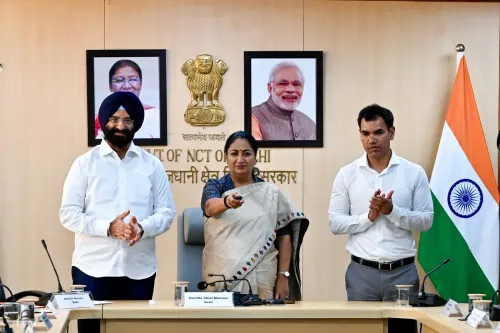
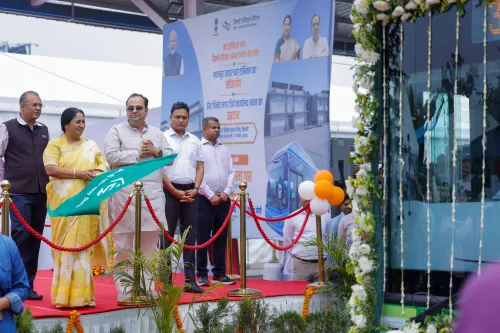
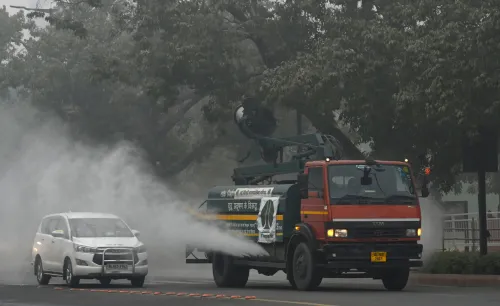
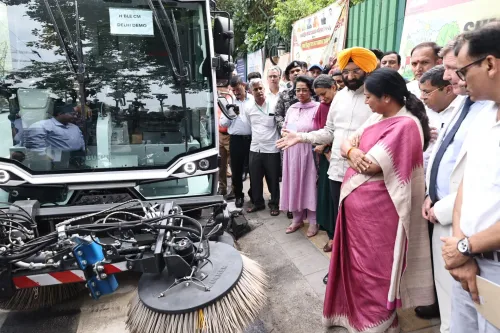
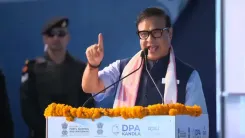
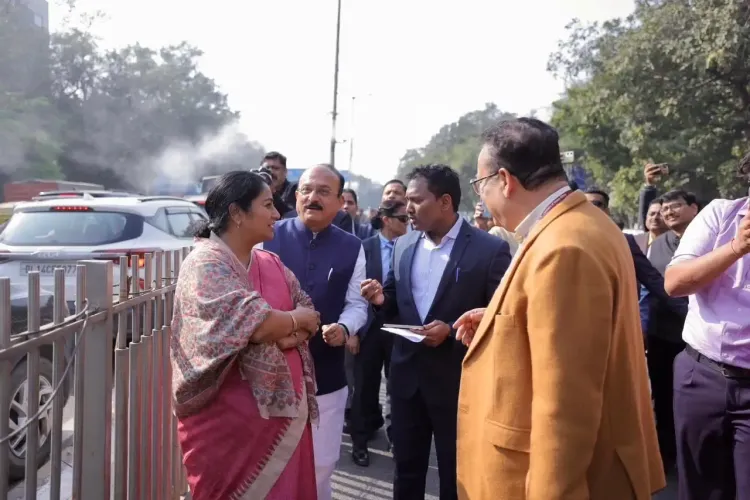
New Delhi, December 4 (NationPress) - The Chief Minister of Delhi, Rekha Gupta, inaugurated a new pole-mounted mist spray system aimed at controlling dust and pollution in the ITO region, as reported by an official.
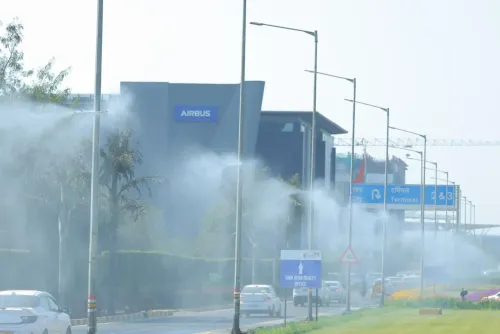
With this initiative, approximately 35 poles in the ITO area have been outfitted with mist sprayers.
CM Gupta stated, "The government plans to equip 305 poles at nine critical hotspots where pollution is a significant concern," highlighting the formation of a committee dedicated to addressing the city's pollution challenges.
Each pole features five nozzles, with each nozzle containing six small holes, providing a total of 30 spray points per pole. The system utilizes around 84 liters of treated water hourly, supported by four storage tanks, each with a capacity of 5,000 liters. A similar setup has been implemented along a 900-meter stretch of Shanti Path and a 500-meter stretch on Lodhi Road.
She remarked, "This is a fight against pollution, and we require public cooperation to enhance the government’s initiatives. We are committed to addressing any pollution sources."
"Following our experience with water sprinklers, we are now exploring mist technology, which has proven to be highly effective. We initially rolled it out in certain areas under the NDMC, with promising results. The Delhi government now intends to extend this to all major roads in the city," she added.
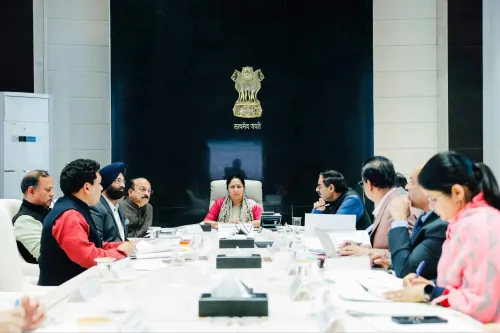
On the previous day, CM Gupta convened a review meeting, emphasizing that any negligence in pollution control within the national capital will be unacceptable. She declared that her administration views pollution control as an emergency mission and is resolute in its efforts to manage it.
The Chief Minister made it clear that government agencies exhibiting laxity in pollution control will face consequences. The Delhi Pollution Control Committee (DPCC) has been directed to issue fines and impose severe penalties on organizations that fail to uphold pollution and cleanliness standards. She has also ordered legal actions against departments engaged in unauthorized road-cutting and not restoring roads appropriately.
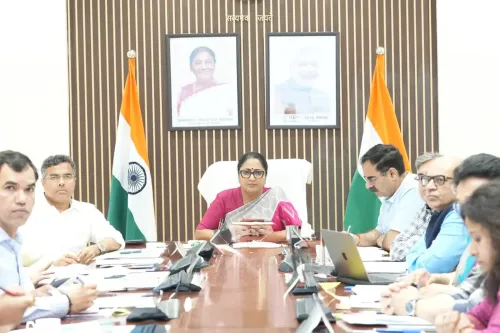
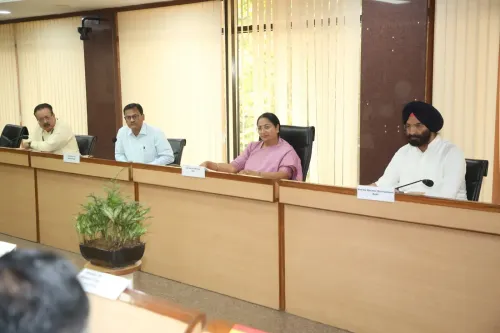
A high-ranking review meeting on pollution control took place at the Delhi Secretariat, chaired by the Chief Minister. Current measures against air pollution were assessed, and all departments were instructed to operate with urgency in the upcoming days.
Attendees included Environment Minister Manjinder Singh Sirsa, Chief Secretary Rajiv Verma, and senior officials from various departments such as PWD, MCD, DDA, Environment and Forest, DSIIDC, Delhi Metro, NBCC, Power, and DUSIB.
The Chief Minister underscored that while long-term strategies against pollution will persist, immediate actions must be escalated without delay.
All departments have been tasked with identifying and repairing potholes within 72 hours. Road maintenance agencies are to ensure that all roads remain intact. The Chief Minister expressed significant discontent over certain departments' negligence and instructed DPCC to issue fines against irresponsible government entities.
She further stated that legal actions must be initiated against departments conducting road-cutting without proper authorization, holding departmental heads accountable. She reiterated that no agency, whether governmental or private, will be exempt.
The Chief Minister emphasized that tackling pollution must involve collective efforts from the government, departments, and the public.
The PWD has been instructed to prioritize repairs of potholes across its 1,400-kilometer road network and to upload before-and-after images on the designated application.
The DDA has been asked to ensure thorough cleanliness on its roads, remove debris from vacant areas, and transfer its markets to MCD promptly.
The Delhi Metro has been directed to expedite repairs on roads beneath its elevated corridors and to implement effective dust control strategies. The Chief Minister stated that no delays will be tolerated, as clean, green, and dust-free roads are pivotal to the city's pollution-fighting efforts.
Environment Minister Manjinder Singh Sirsa mentioned that the 311 Green App is being enhanced as the central platform for monitoring potholes, neglected areas, and dust hotspots through the Green War Room. A comprehensive six-month action plan is being designed to implement dust-free and green measures in identified neglected regions.
He also noted that stringent measures will be taken against vehicles not meeting BS-IV standards. To improve last-mile connectivity and promote Metro usage, e-autos will be prioritized. He highlighted that mist-spray dust mitigation has shown encouraging results and will be rolled out citywide.
Point of View
It is imperative to recognize the urgency with which the Delhi government is addressing the pollution crisis. The pole-mounted mist spray system is a significant step forward, reflecting a commitment to innovative solutions. It is essential for both government and citizens to collaborate effectively to combat this pressing environmental challenge.
NationPress
26 Sept 2026
Frequently Asked Questions
What is the purpose of the pole-mounted mist spray system?
The pole-mounted mist spray system aims to control dust and pollution in heavily affected areas, starting with the ITO region of New Delhi.
How many poles will be equipped with mist sprayers?
Initially, 35 poles have been equipped, with plans to expand to 305 poles at nine critical pollution hotspots.
How does the mist spray technology work?
Each pole features five nozzles, allowing for 30 spray points per pole, which utilize treated water to mitigate dust and pollution effectively.
What is the government's stance on pollution control?
The Delhi government is treating pollution control as an emergency mission, emphasizing accountability and proactive measures across all departments.
What additional measures are being taken to combat pollution?
In addition to the mist spray system, the government is implementing a comprehensive action plan that includes road repairs, cleanliness initiatives, and stricter regulations for vehicles.