What Was Agreed in the Delhi Declaration 2026?
Synopsis
In a landmark event, the Delhi Declaration 2026 was unanimously adopted during the India International Conference on Democracy and Election Management. Key pillars focus on clean electoral rolls, inclusivity, technological advancement, and global training programs, aiming to strengthen democratic processes worldwide.
Key Takeaways
Five key pillars established for enhancing democracy.
Focus on clean electoral rolls to ensure transparency.
Inclusivity and participation in the electoral process.
Creation of a global Encyclopaedia of democracies.
Emphasis on responsible technology use in elections.
Global training programs for election officials.
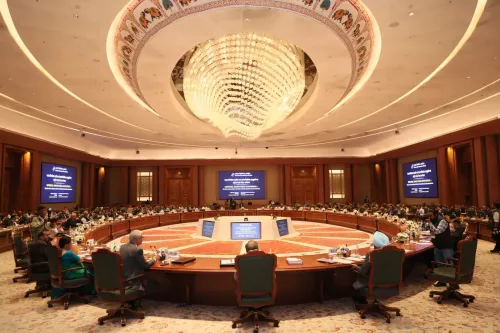
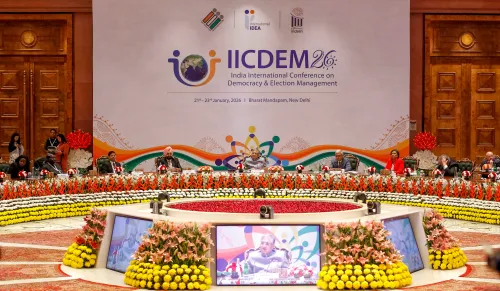
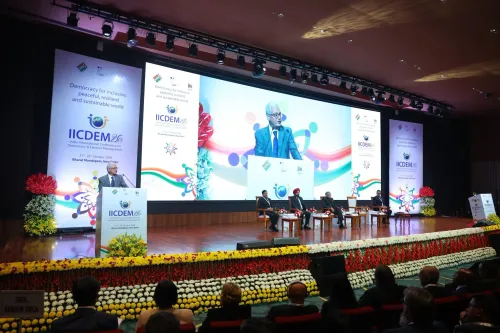
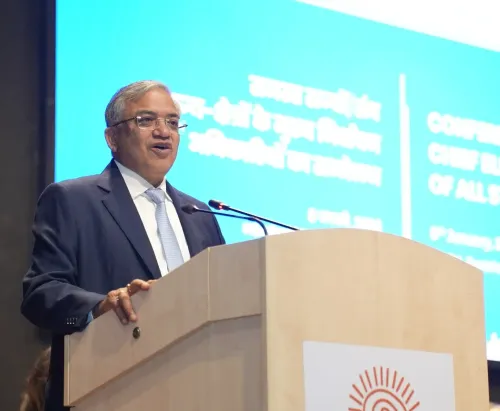
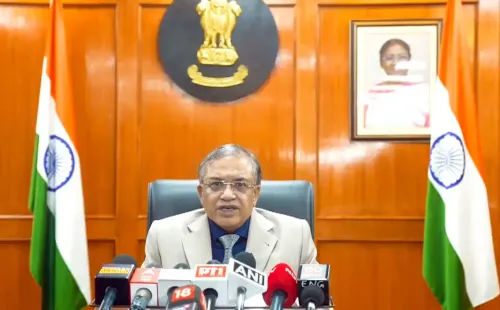
New Delhi, Jan 23 (NationPress) The India International Conference on Democracy and Election Management wrapped up recently with a unanimous endorsement of the Delhi Declaration 2026.
Organized by the Election Commission of India, this three-day conference gathered leaders from 42 nations, alongside specialists from various institutions and senior officials from India, to explore avenues for enhancing democratic frameworks globally.
The Delhi Declaration 2026 delineates five fundamental pillars that the nations involved have vowed to pursue collaboratively.
The inaugural pillar emphasizes the necessity of upholding clean and precise electoral rolls, which are essential to any democracy. Election authorities are urged to provide photo identity cards to each eligible voter to facilitate a seamless and transparent voting process.
The second pillar highlights the importance of elections being inclusive, participatory, and equitable. To realize this, election bodies must adhere strictly to their legal or constitutional frameworks, ensuring transparent, efficient, and credible outcomes.
The third pillar commits to the creation of an Encyclopaedia of Democracies of the World. This ambitious initiative will include an atlas detailing various electoral systems verified by the election authorities of each nation. It will also present comprehensive reports on seven themes coordinated by International IDEA and 36 additional themes led by India's International Institute of Democracy and Election Management.
The fourth pillar focuses on the responsible application of technology. Election bodies have agreed to adopt modern tools to assist voters and counter misinformation, all while safeguarding electoral integrity as mandated by law. India has proposed to share insights from its ECINET digital platform, enabling other countries to establish similar systems tailored to their legal frameworks and languages.
The fifth pillar underscores the significance of training and capacity building. India has invited global election officials to leverage its extensive expertise through training programs and exchanges of best practices. The International Institute of Democracy and Election Management, acknowledged as the largest facility of its kind globally, will provide its resources to enhance the professionalism of election management and voter roll preparation across nations.
In concluding the declaration, all participants pledged to implement these five pillars through collaboration, innovation, and regular progress evaluations. An annual meeting is planned to review advancements, with the next session scheduled for December 3 to 5, 2026, at the institute in New Delhi.
Adopted on January 23, 2026, the Delhi Declaration signifies a united commitment to uphold and progress democracy through shared knowledge, technology, and global capacity enhancement.
Point of View
It's imperative to acknowledge the significance of the Delhi Declaration 2026. This collective commitment is not just a formality; it represents a global effort to advance democracy through innovative practices and shared knowledge. The emphasis on clean electoral rolls and inclusivity is commendable and essential for any thriving democracy. The collaboration among 42 nations sets a precedent for future democratic engagements, and it is crucial for us to follow this trajectory to enhance our own democratic processes.
NationPress
4 Oct 2026
Frequently Asked Questions
What is the Delhi Declaration 2026?
The Delhi Declaration 2026 is a unanimous agreement adopted during the India International Conference on Democracy and Election Management, outlining five key pillars aimed at strengthening democratic processes globally.
What are the main pillars of the declaration?
The declaration focuses on maintaining clean electoral rolls, ensuring inclusivity in elections, creating an Encyclopaedia of Democracies, responsible use of technology, and enhancing training and capacity building for election officials.
When was the declaration adopted?
The Delhi Declaration 2026 was adopted on January 23, 2026 , at the India International Conference on Democracy and Election Management.
How will the declaration impact future elections?
The declaration aims to enhance the integrity, transparency, and inclusiveness of elections worldwide, thereby strengthening democratic processes in participating nations.
When is the next meeting to review the declaration's progress?
The next meeting to assess the progress of the Delhi Declaration 2026 is scheduled for December 3 to 5, 2026 , in New Delhi .