Delhi DSDMA staff to get 100% pay hike after 16 years of frozen salaries
Synopsis
Delhi's disaster management workers have gone 16 years without a pay revision — despite managing flood evacuations, heatwave responses, and real-time emergency coordination. Chief Minister Rekha Gupta's approved 100% hike corrects a structural anomaly that left DSDMA staff outside the regular government pay framework since 2009, with no DA and no periodic revision.
Key Takeaways
The Delhi government has approved a remuneration hike of up to 100 per cent for DSDMA staff, announced on 2 August .
The revision ends a 16-year pay freeze; salaries have been unchanged since these posts were created in 2009 with UNDP support.
Monthly pay was fixed at ₹25,000 for Project Officers and DPOs, and ₹20,000 for Project Coordinators — with no DA or periodic revision.
Chief Minister Rekha Gupta called it a structural correction, not an ex-gratia benefit.
Beneficiaries discharge statutory duties under the Disaster Management Act, 2005 , including managing Emergency Operation Centres and coordinating with NDRF , SDRF , Fire Services, and Police.
The Delhi government has approved a remuneration hike of up to 100 per cent for staff of the Delhi State Disaster Management Authority (DSDMA), ending a 16-year pay freeze for frontline disaster management personnel, an official said on Sunday, 2 August. The decision is set to benefit Project Officers (POs), District Project Officers (DPOs), and Project Coordinators (PCs) — roles that have formed the operational backbone of the capital's emergency preparedness since 2009.
The Pay Freeze That Lasted 16 Years
When these positions were created in 2009 with support from the United Nations Development Programme (UNDP), monthly remuneration was fixed at ₹25,000 for Project Officers and District Project Officers, and ₹20,000 for Project Coordinators. That structure remained entirely unchanged for over a decade and a half. Crucially, these posts were never integrated into any regular government pay scale, which meant staff received no Dearness Allowance (DA) and were excluded from periodic pay revisions that other government employees received as a matter of course.
What the Delhi Government Said
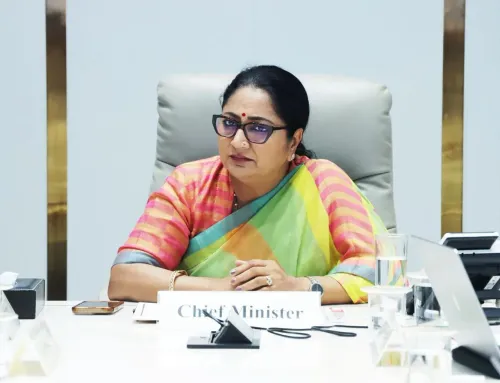
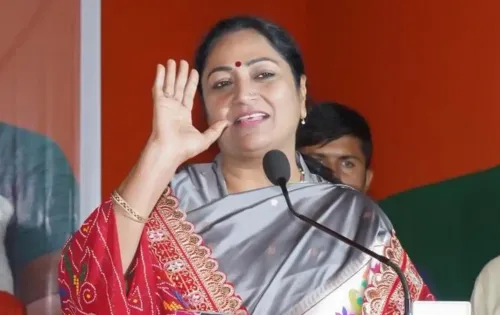
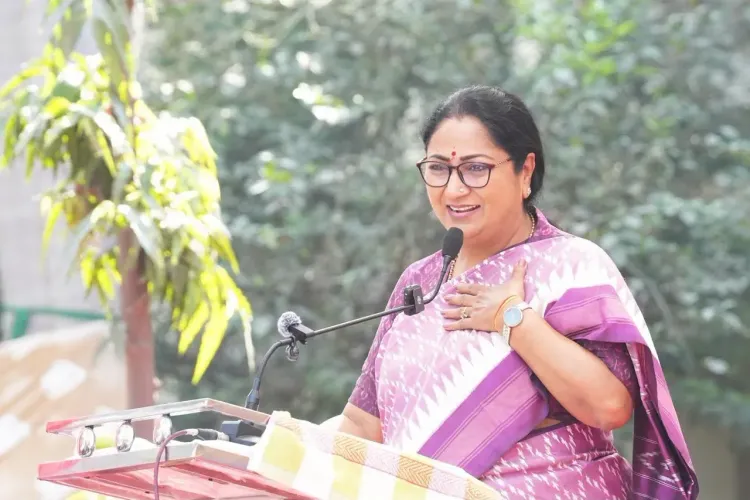
Chief Minister Rekha Gupta described the revision as a 'long-overdue measure to deliver justice' to officials who have served the city through floods, heatwaves, and public health crises without a single salary revision in 16 years. She stressed that the hike is not an ex-gratia payment, but a structural correction designed to establish a fair and competitive remuneration framework that reflects the personnel's responsibilities, experience, and technical expertise.
Gupta noted that over the same period, inflation climbed steadily, the complexity of disaster management grew, and the scope of these workers' duties expanded considerably — yet their pay remained frozen.
What DSDMA Personnel Actually Do
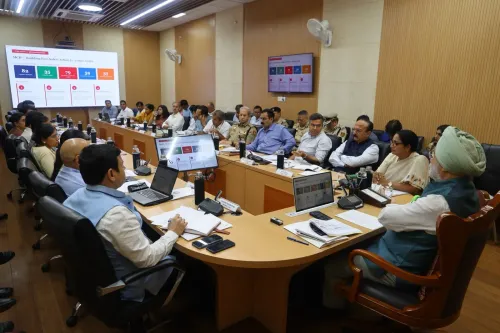
The Chief Minister outlined the range of statutory responsibilities these personnel discharge under the Disaster Management Act, 2005. Their duties go well beyond routine administration: they prepare district-level disaster management plans, conduct scientific risk assessments, map vulnerabilities across Delhi's sensitive zones and among at-risk populations, and formulate mitigation strategies. During active emergencies, they manage Emergency Operation Centres (EOCs), coordinating in real time with the National Disaster Response Force (NDRF), State Disaster Response Force (SDRF), Fire Services, Police, and the Health Department. They also run large-scale training programmes and mock drills to build stakeholder capacity.
Why This Revision Matters
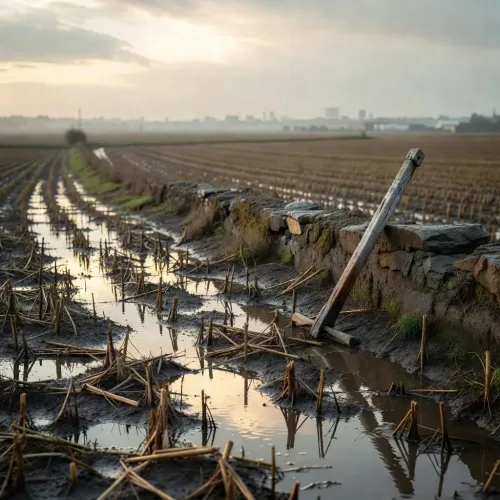
Delhi is among India's most disaster-exposed urban centres — vulnerable to floods along the Yamuna, extreme heat events, seismic risk, and industrial accidents. The personnel now receiving the pay hike are the city's first institutional responders when any of those risks materialise. Critics and urban governance experts have long argued that contract-based disaster management roles — common across Indian states — suffer from chronic under-compensation, which drives attrition precisely when institutional memory matters most. This revision, if implemented as announced, could set a precedent for similar reviews in other states. The revised remuneration structure is expected to take effect shortly, though a formal implementation timeline had not been announced as of Sunday.
Point of View
But the deeper question is whether these roles will be mainstreamed into the government pay framework to prevent the same freeze recurring. Delhi's experience should prompt the Centre and other state governments to audit similarly structured UNDP-origin disaster management posts across the country — many of which likely share the same frozen-pay problem.
NationPress
16 Sept 2026
Frequently Asked Questions
What is the DSDMA remuneration hike announced by the Delhi government?
The Delhi government has approved a pay increase of up to 100 per cent for staff of the Delhi State Disaster Management Authority (DSDMA), including Project Officers, District Project Officers, and Project Coordinators. The revision ends a 16-year pay freeze, with salaries unchanged since these roles were created in 2009.
Why had DSDMA staff not received a pay hike for 16 years?
These posts were created in 2009 with UNDP support but were never linked to any regular government pay structure. As a result, staff were ineligible for periodic pay revisions or Dearness Allowance (DA), leaving their remuneration frozen at 2009 levels despite rising inflation and expanding responsibilities.
Who benefits from the Delhi DSDMA pay revision?
The hike benefits Project Officers (POs), District Project Officers (DPOs), and Project Coordinators (PCs) working under the Delhi State Disaster Management Authority. Their monthly pay was previously fixed at ₹25,000 and ₹20,000 respectively.
What responsibilities do DSDMA personnel carry out?
DSDMA staff discharge statutory duties under the Disaster Management Act, 2005. These include preparing district disaster management plans, conducting risk assessments, managing Emergency Operation Centres during crises, and coordinating with the NDRF, SDRF, Fire Services, Police, and the Health Department.
Is the pay hike a one-time payment or a structural revision?
Chief Minister Rekha Gupta clarified that it is a structural revision, not an ex-gratia benefit. It is intended to establish a fair and competitive remuneration framework reflecting the personnel's responsibilities, experience, and the demands of contemporary disaster management.