Delhi GST dept seizes ₹5 crore goods at Nizamuddin Railway Station
Synopsis
Delhi's GST department extended its enforcement reach to the railway network, intercepting a ₹5 crore consignment — including 25 tonnes of copper scrap — at Hazrat Nizamuddin Railway Station without a single invoice or e-way bill in sight. The goods originated in Andhra Pradesh, and the crackdown signals a deliberate shift toward monitoring rail routes, a channel long under-policed for GST compliance.
Key Takeaways
The Delhi GST department seized goods worth ₹5 crore at Hazrat Nizamuddin Railway Station on 12 September .
The consignment weighed 50 tonnes and included 25 tonnes of copper scrap valued at ₹3 crore and 25 tonnes of mixed scrap, clothing, and other goods worth ₹2 crore .
The goods arrived on a train originating from Renigunta, Andhra Pradesh , without mandatory invoices or e-way bills.
Chief Minister Rekha Gupta said the aim is to build a system ensuring transparent business operations and full tax collection.
Authorities are stepping up coordination with railway officials to monitor rail routes for GST non-compliance alongside existing road transport surveillance.
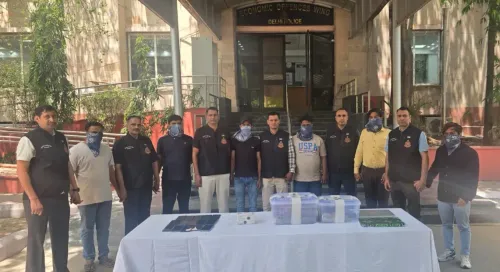
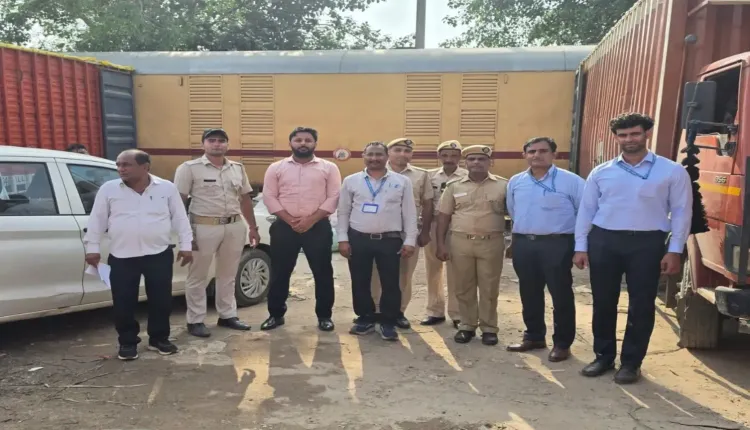
The Delhi government's Goods and Services Tax (GST) department, acting on a tip-off and in coordination with railway officials, seized a consignment of 50 tonnes of goods — including copper scrap — worth nearly ₹5 crore at Hazrat Nizamuddin Railway Station on 12 September. The goods were transported without mandatory invoices and e-way bills, triggering the enforcement action.
What Was Seized
Inspecting officials found approximately 25 tonnes of copper scrap, estimated at ₹3 crore, along with around 25 tonnes of mixed scrap, clothing, and other goods valued at roughly ₹2 crore. The total estimated value of the seized consignment stands at ₹5 crore, according to an official statement.
The goods had arrived aboard a train that originated in Renigunta, Andhra Pradesh. None of the seized items were accompanied by the required GST documentation, including invoices or e-way bills — both of which are mandatory under GST law for the inter-state transportation of goods.
How the Operation Unfolded
The department had received prior intelligence that goods were being moved through the railway network without proper documentation. Officials coordinated with railway authorities to intercept the consignment upon its arrival at Hazrat Nizamuddin Railway Station. A detailed verification of the goods and associated documents is now under way, with the department also examining statutory compliance under GST law.
What the Government Said
Delhi Chief Minister Rekha Gupta said the government's objective goes beyond enforcement action alone. 'The government's aim is not just to take action but to put in place an effective system that ensures businesses operate transparently and every due tax is collected,' she said, according to the official statement.
The department added that the operation marks a significant step in extending surveillance beyond road transport to the railway network — a channel that, officials acknowledged, has historically received less scrutiny in GST enforcement.
Broader Enforcement Push
Authorities indicated that coordination with railway officials will be intensified going forward, with closer monitoring of railway routes to identify cases of unaccounted goods, irregular documentation, and possible tax evasion. This comes amid a broader national effort by GST authorities to tighten compliance across supply chains, particularly for high-value commodities such as metals and scrap.
Notably, copper scrap is a frequently flagged commodity in GST evasion cases due to its high value and the relatively informal nature of much of the scrap trade. The Delhi department's move to extend its enforcement net to railway consignments signals a more comprehensive approach to plugging revenue leakage.
The outcome of the document verification and compliance review is expected to determine whether further legal action, including tax demand notices, will follow.
Point of View
A channel that has long been a blind spot in e-way bill enforcement. Road transport has faced GST checkpoints for years, but rail consignments have moved with far less scrutiny, making them an attractive route for under-documented goods. The copper scrap angle is also worth watching — the scrap metal trade is one of the highest-risk sectors for input tax credit fraud and valuation manipulation. If this operation is the beginning of systematic rail monitoring rather than a one-off, it could meaningfully change compliance behaviour in sectors that have relied on the railway's relative anonymity.
NationPress
28 Oct 2026
Frequently Asked Questions
What did the Delhi GST department seize at Nizamuddin Railway Station?
The Delhi GST department seized a consignment of 50 tonnes of goods worth approximately ₹5 crore, including 25 tonnes of copper scrap valued at ₹3 crore and 25 tonnes of mixed scrap, clothing, and other goods worth ₹2 crore. The goods were transported without mandatory invoices or e-way bills.
Where did the seized consignment originate?
The consignment arrived at Hazrat Nizamuddin Railway Station on a train that originated in Renigunta, Andhra Pradesh. It was intercepted following a tip-off received by the Delhi GST department.
Why is an e-way bill required for transporting goods?
Under GST law, an e-way bill is a mandatory electronic document required for the movement of goods worth more than ₹50,000 across state borders or within a state. Its absence is treated as a violation and can indicate tax evasion or unaccounted goods.
What action is being taken after the seizure?
The Delhi GST department is conducting a detailed verification of the seized goods and associated documents, and is examining statutory compliance under GST law. The outcome of this review will determine whether tax demand notices or further legal action will follow.
What does this seizure mean for GST enforcement on railways?
According to officials, this operation marks a deliberate expansion of GST surveillance to the railway network, which has historically received less enforcement attention than road transport. Authorities plan to increase coordination with railway officials and monitor rail routes more closely for unaccounted goods and irregular documentation.