Delhi HC denies bail to cleric who allegedly assaulted minor under spiritual guise
Synopsis
The Delhi High Court refused bail to a cleric who allegedly sexually assaulted a minor girl by convincing her family that obscene acts were necessary to remove an evil spirit. Justice Swarana Kanta Sharma cited the gravity of the POCSO charges and the advanced stage of trial — while also flagging that the accused has been in custody for over six years without a verdict.
Key Takeaways
The Delhi High Court denied regular bail to Mohd Mubarak , a cleric accused of repeatedly sexually assaulting a minor under the guise of spiritual treatment.
The case was registered at Prem Nagar Police Station under Section 376 IPC and the POCSO Act in October 2019 .
Justice Swarana Kanta Sharma observed that the accused prima facie exploited the victim's "vulnerable physical and mental condition" and her family's blind faith.
Mubarak has been in judicial custody for over six years since 10 October 2019 .
The court directed the trial court to expedite proceedings and conclude the trial at the earliest given the prolonged incarceration.
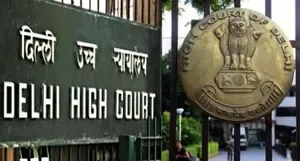
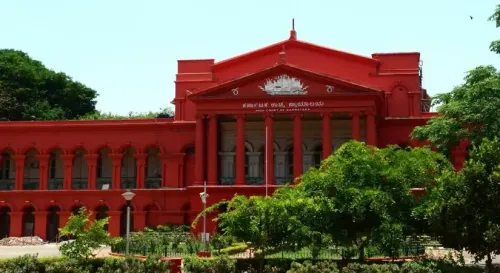
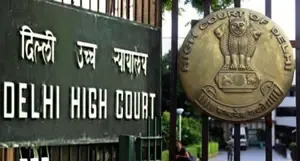
The Delhi High Court on 6 May refused to grant regular bail to Mohd Mubarak, a cleric accused of repeatedly sexually assaulting a minor girl under the pretext of spiritual healing, observing that he had prima facie exploited the "vulnerable physical and mental condition" of the victim and the blind faith her family had placed in him. The bail application was dismissed by a single-judge Bench of Justice Swarana Kanta Sharma.
Background of the Case
The case traces back to October 2019, when the victim's family, believing she was afflicted by an evil spirit or "jinn" due to prolonged poor health, approached Mubarak on the recommendation of a family friend. Mubarak, who presented himself as a maulvi and faith healer, reportedly began conducting sessions with the girl at her residence, insisting on treating her alone.
According to the prosecution, Mubarak asked the girl "strange and inappropriate questions" during the so-called treatment and later allegedly told her that the "jinn" could only be removed through obscene acts, following which he sexually assaulted her repeatedly. A First Information Report (FIR) was registered at Prem Nagar Police Station under Section 376 IPC and the provisions of the Protection of Children from Sexual Offences (POCSO) Act.
What the Court Observed
Justice Sharma noted that the allegations were "grave and serious" and that the material on record prima facie indicated that the accused had misused the trust placed in him by the victim's family. "Instead of providing any such help, the applicant allegedly misused that trust and exploited the prosecutrix under the guise of treatment," the court stated.
The court also cited a Supreme Court precedent, observing that in serious offences such as rape, courts should ordinarily be "loath in entertaining bail applications" once a trial has commenced and witnesses have begun to be examined. The court noted that the trial was at an advanced stage and prosecution evidence was nearing completion, including the recording of the prosecutrix's statement under Section 164 of the Code of Criminal Procedure before a magistrate.
Defence Arguments Rejected
Counsel for Mubarak argued that his client had been in judicial custody since 10 October 2019 — over six years — and that continued incarceration violated his right to personal liberty and a speedy trial. The defence also contended that the investigation was complete, the charge sheet had been filed, and key witnesses including the prosecutrix and her parents had already been examined before the trial court. Discrepancies in prosecution witness testimonies were also cited to question the reliability of the victim's account.
The court declined to examine those submissions in detail, clarifying: "At the stage of consideration of bail, the evidence is not required to be minutely sifted or appreciated as would be done during trial."
Court's Direction on Trial
While dismissing the bail plea, Justice Sharma acknowledged the prolonged incarceration and requested the trial court to expedite proceedings and conclude the trial at the earliest. The direction underscores a recurring tension in India's criminal justice system — balancing the gravity of the offence against the constitutional right to a speedy trial. This is not an isolated instance; courts have increasingly flagged the slow pace of POCSO trials even as they uphold bail denials in serious cases.
Point of View
The same court's request to expedite proceedings is an implicit acknowledgement of systemic failure. Faster trials, not prolonged undertrial detention, should be the norm in POCSO cases — a distinction the judiciary increasingly recognises but the system rarely delivers.
NationPress
24 Sept 2026
Frequently Asked Questions
Why did the Delhi High Court deny bail to the cleric Mohd Mubarak?
The Delhi High Court denied bail because the charges under Section 376 IPC and the POCSO Act were deemed grave and serious, and the material on record prima facie showed the accused exploited the victim's vulnerable condition and her family's blind faith. The court also noted that the trial was at an advanced stage with prosecution evidence nearing completion.
What is the nature of the allegations against Mohd Mubarak?
Mohd Mubarak, who presented himself as a maulvi and faith healer, allegedly told the minor victim that obscene acts were necessary to remove an evil spirit or 'jinn' afflicting her, and then repeatedly sexually assaulted her. The FIR was registered at Prem Nagar Police Station in October 2019.
How long has Mohd Mubarak been in custody?
Mohd Mubarak has been in judicial custody since 10 October 2019 — over six years at the time of the bail hearing. The court acknowledged this but held that the gravity of the offence and the stage of trial did not warrant bail.
What did the Delhi High Court say about evaluating evidence at the bail stage?
The court clarified that at the bail stage, evidence does not need to be minutely examined as it would be during trial. It declined to assess defence arguments about discrepancies in prosecution witness testimonies, reserving that scrutiny for the trial court.
What direction did the court give regarding the trial?
While dismissing the bail plea, Justice Swarana Kanta Sharma requested the trial court to expedite proceedings and conclude the trial at the earliest, given that the accused had already spent over six years in judicial custody.