DUSU polls violence: Delhi HC warns of stay on counting, seeks action report
Synopsis
The Delhi High Court has put authorities on notice: act on DUSU election violence by 18 September noon or face a stay on vote counting and result declaration. With alleged firearms on campus and attacks on professors, the court’s warning is among its sharpest interventions in student union polls — and echoes near-identical concerns it raised back in October 2024.
Key Takeaways
The Delhi High Court warned on 17 September 2026 that it may stay the counting and declaration of results in DUSU elections if authorities fail to act on alleged violence.
A bench of Chief Justice D.K.
Upadhyaya and Justice Tejas Karia stopped short of staying 18 September polling but left a harsher post-poll order on the table.
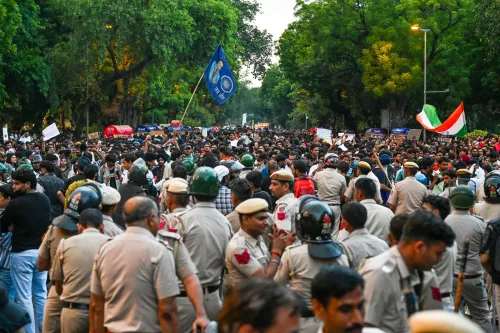
Allegations before the court included firearms on campus, attacks on professors and students, and entry of outsiders into colleges at North Campus .
Additional Solicitor General Chetan Sharma called the violence ‘completely reprehensible’ and said elections had been 85-90 per cent peaceful this year due to court directions.
Delhi University and Delhi Police were directed to file status reports; the next hearing is on 18 September at 12 noon .
The court had passed similar warnings in October 2024 , indicating a recurring pattern of non-compliance with Lyngdoh Committee guidelines.
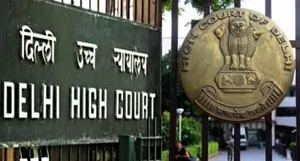
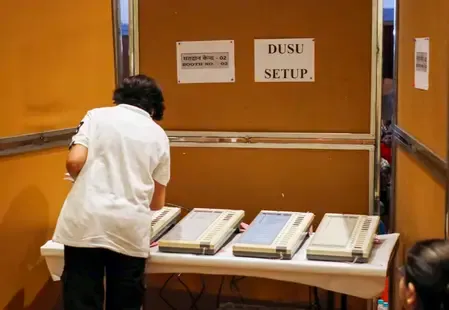
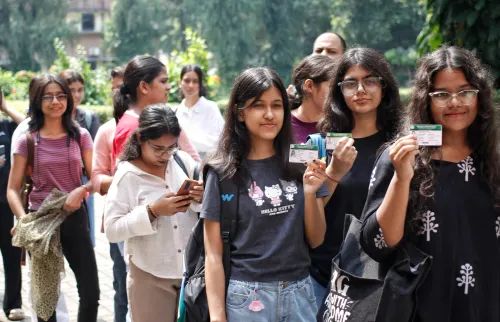
The Delhi High Court on Thursday, 17 September 2026 warned that it may stay the counting of votes and declaration of results in the Delhi University Students' Union (DUSU) elections if authorities fail to take credible action against candidates and individuals allegedly involved in violence and violations of election guidelines. The warning came a day before polling was scheduled on 18 September.
What the Court Said
A bench of Chief Justice D.K. Upadhyaya and Justice Tejas Karia made the warning explicit while hearing a petition filed by advocate Prashant Manchanda, seeking strict enforcement of the Lyngdoh Committee recommendations, anti-defacement guidelines, and the DUSU election code of conduct for the 2026-27 elections.
The bench made clear it was not staying or postponing the 18 September polling, but left no ambiguity about what could follow. “No excuses will be accepted by the Court, and we are making it very clear that, though we are not staying or postponing the election but, if we are not satisfied with your action, we can pass a harsher order staying the counting or declaration of results,” the court remarked.
The bench added: “We are more than conscious that we are a democratic society, but we are also conscious that this democracy cannot be converted into a criminal society.”
Allegations Before the Court
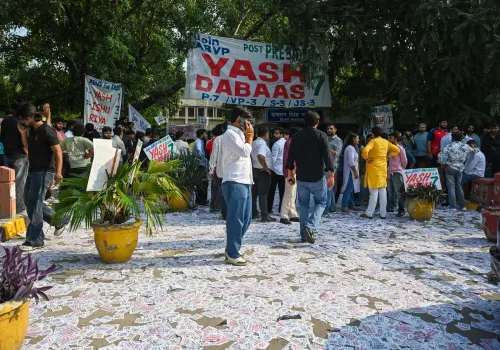
The petitioner alleged that the North Campus of Delhi University had witnessed serious incidents of violence involving candidates, supporters, and outsiders — including claims of the presence of firearms and attacks on professors and students. Incidents of vandalism, clashes, and the alleged entry of outsiders into college campuses were also placed before the court.
Additional Solicitor General Chetan Sharma, appearing for the Union government, described the violence as “completely reprehensible” and stated that those found guilty must be brought to justice. He submitted that campaigning had ended, the university had since remained peaceful, and that this year’s elections had been 85-90 per cent peaceful owing to earlier court directions.
Court’s Findings and Directions
The CJ Upadhyaya-led bench questioned why law enforcement agencies had not acted against alleged violations and noted that student organisations were parties to the proceedings. “Students are also responsible for this criminal misconduct, not only the authorities,” the court observed, expressing particular concern over alleged attacks on teachers and reports of firearms on campus.
The bench recorded in its order that the material placed before it indicated a failure on the part of authorities, students, and others to ensure safe elections. “If the material shown to us is correct, it clearly demonstrates violation of the Lyngdoh Committee and the directions of this Court and the Supreme Court,” the order stated.
The court directed both Delhi University and the Delhi Police to file status reports detailing action taken in connection with incidents of unruly conduct and alleged guideline violations. The matter has been listed for further hearing on 18 September at 12 noon, with the bench stating necessary directions would follow based on the status reports.
Pattern of Concern: Past Court Orders
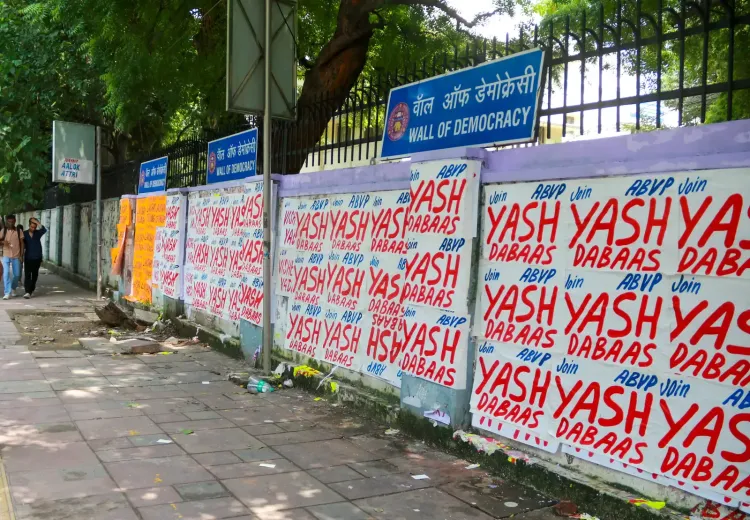
This is not the first time the Delhi High Court has intervened in DUSU elections. In an order passed in October 2024, the court had directed that vote counting would not proceed until it was satisfied that posters, graffiti, hoardings, and spray paint had been removed, vandalised public property restored, and losses caused by defacement recovered from erring candidates. At that time, the court had also expressed its prima facie view that money and muscle power had been “extensively used” in DUSU and college elections in breach of Lyngdoh Committee guidelines.
The bench had then observed that student elections, meant to be a ‘festival of democracy’, had been reduced to “a festival of money laundering and defacement of public property.” The recurrence of similar concerns in 2026 suggests that institutional compliance remains an unresolved challenge.
What Happens Next
With polling set for 18 September and the next hearing scheduled for noon the same day, the court’s next order will be pivotal. If the status reports from Delhi University and Delhi Police do not satisfy the bench, a stay on counting or the declaration of results remains a live possibility. Industry and academic observers will be watching whether student unions — described by the court as ‘nurseries of democracy’ — can reclaim that standing after repeated controversies.
Point of View
But it also raises an uncomfortable question about enforcement capacity — if Delhi Police and university administration could not prevent alleged firearms on campus despite existing judicial directions, another warning order may produce limited deterrence. The real accountability gap lies not in judicial intent but in institutional follow-through, and until election conduct attracts real penal consequences for named individuals, the court will likely be back here in 2027 making the same remarks.
NationPress
17 Sept 2026
Frequently Asked Questions
What did the Delhi High Court warn regarding DUSU elections?
The Delhi High Court warned on 17 September 2026 that it may stay the counting of votes and declaration of results in the DUSU elections if it is not satisfied with the action taken by authorities against those allegedly involved in violence and guideline violations. The court stopped short of staying the 18 September polling itself.
Why did the Delhi High Court intervene in DUSU polls?
The court was hearing a petition filed by advocate Prashant Manchanda seeking strict enforcement of Lyngdoh Committee recommendations and the DUSU election code of conduct. Allegations placed before the bench included violence involving candidates and outsiders, reported presence of firearms, attacks on professors and students, vandalism, and defacement at the North Campus.
What action has the court directed authorities to take?
The court directed both Delhi University and the Delhi Police to file status reports detailing all action taken in connection with incidents of unruly conduct and violations of election guidelines. The matter is listed for hearing on 18 September at 12 noon, after which necessary directions will be passed.
Has the Delhi High Court intervened in DUSU elections before?
Yes. In October 2024, the court had directed that vote counting in DUSU elections would not proceed until posters, graffiti, and defacement had been cleared and vandalised property restored. It had also observed that money and muscle power were being extensively used in breach of Lyngdoh Committee guidelines.
What are the Lyngdoh Committee recommendations for student union elections?
The Lyngdoh Committee guidelines, issued following a Supreme Court directive, set rules for student union elections including spending limits, eligibility criteria, a bar on outsiders campaigning, and prohibition on defacement of public property. Courts across India have repeatedly used these guidelines as the benchmark for assessing electoral conduct on university campuses.