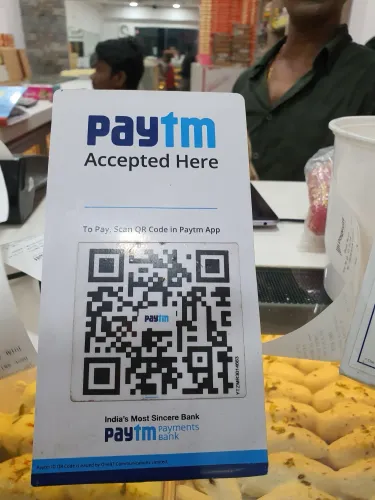
Delhi High Court orders Paytm Payments Bank winding up after RBI licence cancellation

Synopsis
The Delhi High Court has formally ordered the winding up of Paytm Payments Bank, months after the RBI pulled its licence for persistent regulatory violations. With a former SBI general manager installed as Official Liquidator since 8 July 2026, India's most high-profile payments bank collapse has now entered its final, court-supervised chapter.
Key Takeaways
The Delhi High Court ordered the winding up of Paytm Payments Bank Limited (PPBL) via orders dated 8 July and 22 July 2026 .
The RBI had cancelled PPBL's banking licence in April 2026 over persistent regulatory non-compliance detrimental to depositors.
Nair , former Chief General Manager of SBI , has been appointed Official Liquidator .
Nair has been exercising all powers of PPBL's board of directors since 8 July 2026 .
The liquidation proceeds under the Banking Regulation Act, 1949 read with the Companies Act, 2013 .
The Delhi High Court has ordered the winding up of Paytm Payments Bank Limited (PPBL), completing the final legal step in the lender's closure after the Reserve Bank of India (RBI) cancelled its banking licence in April 2026 over persistent regulatory non-compliance. The RBI confirmed the development on Tuesday, 28 July 2026.
Court Orders and Legal Framework
The High Court issued its winding-up directions through orders dated 8 July 2026 and 22 July 2026, invoking the provisions of the Banking Regulation Act, 1949 read with the Companies Act, 2013. The central bank quoted the court order directly, stating that PPBL be wound up under the combined statutory framework of both legislations.
The court has appointed Girikumar M. Nair, a former Chief General Manager of the State Bank of India (SBI), as the Official Liquidator of Paytm Payments Bank. According to the RBI, Nair has been exercising all powers of the bank's board of directors with effect from 8 July 2026.
Powers of the Official Liquidator
The Official Liquidator has been authorised to exercise all powers prescribed under the Banking Regulation Act, 1949 as well as applicable provisions of the Companies Act, 2013. This effectively places the full governance and operational authority of PPBL under Nair's oversight for the duration of the liquidation process.
'The High Court appointed Girikumar M Nair as the Official Liquidator of PPBL. As per the said order, the Official Liquidator shall exercise all the powers prescribed under the provisions of the Banking Regulation Act, 1949 along with applicable provisions of the Companies Act, 2013,' the RBI stated.
Background: Why the RBI Cancelled PPBL's Licence
The winding-up order is the culmination of a regulatory crackdown that escalated sharply in early 2026. The RBI cancelled Paytm Payments Bank's banking licence in April 2026, citing persistent non-compliance with regulatory requirements. At the time, the central bank stated that the bank's affairs were being conducted in a manner detrimental to the interests of its depositors — a finding that triggered the move to approach the Delhi High Court for winding-up proceedings.
This comes amid broader regulatory tightening across India's payments bank sector, where the RBI has signalled zero tolerance for compliance lapses, particularly those affecting depositor safety.
What Happens Next
With Girikumar M. Nair now holding full board-level powers, the liquidation process will involve settling depositor claims, unwinding liabilities, and disposing of assets under court supervision. Depositors of PPBL are expected to be prioritised in the claims process as mandated under the Banking Regulation Act. The pace and outcome of asset recovery will depend on the bank's balance sheet position at the time of licence cancellation.
Point of View
Approached the court, and has now secured a winding-up order within months — a pace that signals institutional resolve. What remains unresolved is the depositor recovery question: payments banks hold small-ticket balances, but the reputational damage to India's broader digital payments ecosystem — and to the fintech sector's regulatory standing — is disproportionately large. The appointment of a former SBI hand as liquidator suggests the RBI wants a conservative, process-driven wind-down rather than a fire sale.
NationPress
26 Oct 2026
Frequently Asked Questions
Why has the Delhi High Court ordered the winding up of Paytm Payments Bank?
The Delhi High Court ordered the winding up of Paytm Payments Bank following the RBI's cancellation of its banking licence in April 2026 for persistent regulatory non-compliance. The central bank had determined that the bank's affairs were being conducted in a manner detrimental to depositor interests and subsequently sought court-sanctioned winding-up proceedings.
Who is the Official Liquidator appointed for Paytm Payments Bank?
The Delhi High Court appointed Girikumar M. Nair, a former Chief General Manager of the State Bank of India, as the Official Liquidator of PPBL. He has been exercising all powers of the bank's board of directors since 8 July 2026.
What legal framework governs the PPBL winding up?
The winding up is being carried out under the Banking Regulation Act, 1949, read with the Companies Act, 2013, as directed by the Delhi High Court through orders dated 8 July and 22 July 2026.
What happens to Paytm Payments Bank depositors now?
Under the Banking Regulation Act, depositors are typically prioritised in the claims process during liquidation. The Official Liquidator will oversee the settlement of depositor claims, unwinding of liabilities, and disposal of assets under court supervision.
When did the RBI cancel Paytm Payments Bank's licence?
The RBI cancelled Paytm Payments Bank's banking licence in April 2026, citing persistent non-compliance with regulatory requirements and conduct detrimental to depositor interests. The Delhi High Court's winding-up orders in July 2026 mark the final legal step in the closure process.