Heatwave Alert: Delhi to Scorch at 44°C as IMD Warns of Intensifying Heat
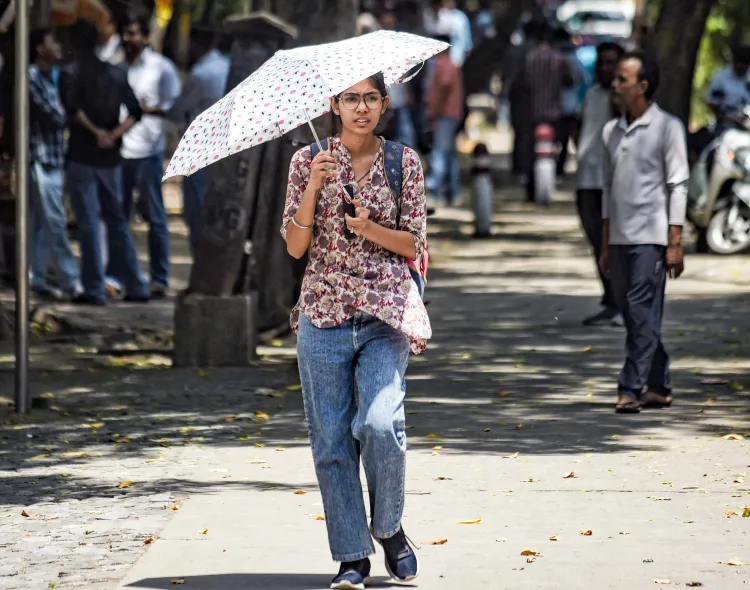
Synopsis
India's heatwave is intensifying fast — Delhi is forecast to hit a blistering 44°C by Friday with a yellow alert in place, while over a dozen states face dangerous heat conditions. The IMD warns temperatures will keep rising across northwest and central India, as climate data signals this is part of a decade-long pattern of worsening April heatwaves.
Key Takeaways
Delhi is forecast to hit a maximum of 44°C on Friday, April 25 , with a yellow heatwave alert officially issued by the IMD .
More than 12 states — including Punjab, Rajasthan, Bihar, Odisha , and West Bengal — are under active heatwave conditions as of April 24, 2025 .
Warm night temperatures are expected in Haryana, Chandigarh, Delhi , and Odisha until at least April 25 , reducing nighttime relief.
Fishermen have been advised to avoid the Bay of Bengal along Odisha and West Bengal coasts on April 26–27 due to rough weather risks.
Light to moderate rain and thunderstorms with winds of 30–50 kmph are expected in parts of northwest and northeast India , offering limited relief.
The IMD projects a gradual but sustained rise in maximum temperatures across northwest and central India , signaling a prolonged and intense summer ahead.
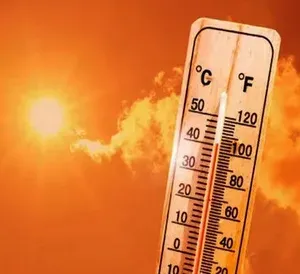
A severe heatwave is tightening its grip across large swathes of India, with the India Meteorological Department (IMD) warning that conditions will intensify significantly over the next several days. New Delhi is expected to record a scorching maximum of 44 degrees Celsius by Friday, April 25, as a yellow alert has been formally issued for the national capital. The IMD has confirmed that daytime temperatures will remain well above seasonal norms across northern, central, and eastern India in the near term.
States Under Heatwave Watch
The IMD has placed more than a dozen states under active heatwave surveillance. Punjab, Haryana, Chandigarh, Uttar Pradesh, Rajasthan, Madhya Pradesh, Bihar, Jharkhand, Odisha, West Bengal, Chhattisgarh, and even pockets of Kerala are all bracing for dangerous heat conditions.
Coastal and peninsular regions are not spared either. Konkan, Tamil Nadu, Andhra Pradesh, Karnataka, and Gujarat are expected to endure hot and humid weather — a combination that can be physiologically more taxing than dry heat alone, as it severely impairs the body's ability to cool down through perspiration.
Warm night conditions — another health risk indicator — are likely in isolated pockets of Haryana, Chandigarh, Delhi, and Odisha at least until April 25, meaning residents will find little respite even after sundown.
Delhi's Temperature Forecast and Yellow Alert
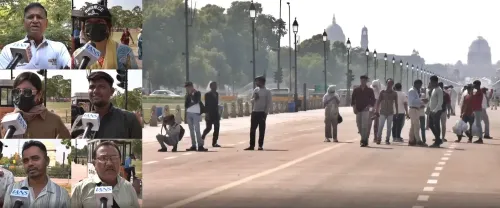
In New Delhi, the IMD projects a rise of 2–3 degrees Celsius over the next couple of days. The maximum temperature on Friday is forecast to touch approximately 44°C, while the minimum is expected to hover around 26°C. Clear skies are anticipated, with no significant cloud cover to moderate the heat.
The yellow alert issued for the capital signals that residents — particularly outdoor workers, the elderly, and children — should take precautionary measures. Northwest and central India are also expected to see a gradual but sustained rise in maximum temperatures, according to the weather office.
This heatwave arrives against a broader backdrop of India's worsening summer extremes. According to IMD data and climate scientists, April heatwaves have become more frequent and more intense over the past decade, a trend consistent with global warming projections. Notably, April 2022 and April 2023 also recorded record-breaking temperatures across the Indo-Gangetic Plain, underscoring that this is not an isolated event but part of an accelerating pattern.
Thunderstorms and Rainfall to Provide Partial Relief
Despite the dominant heat narrative, the IMD has flagged a parallel weather system bringing rainfall and thunderstorm activity to several regions. Jammu and Kashmir, Ladakh, Himachal Pradesh, Uttarakhand, Punjab, Haryana, Uttar Pradesh, Chandigarh, and Delhi may receive light to moderate rain or snowfall (at higher altitudes), accompanied by lightning and gusty winds of 30–50 kmph.
The northeastern states are likely to see fairly widespread rainfall with thunderstorms. West Bengal, Jharkhand, and Odisha may also receive scattered showers with gusty winds. In the south, Telangana, Karnataka, Andhra Pradesh, Tamil Nadu, and Kerala are expected to witness moderate rainfall and active thunderstorm episodes.
While these showers may offer brief temperature relief in affected zones, meteorologists caution that the overall heatwave pattern across the north and central belt will remain dominant and unrelenting through the coming week.
Fishermen Advisory: Bay of Bengal Warning
The IMD has issued a specific advisory for fishing communities along the eastern coastline. Fishermen have been strongly advised not to venture into the Bay of Bengal, particularly along the coasts of Odisha and West Bengal, on April 26 and 27, due to the high probability of rough seas, strong winds, and storm conditions.
This advisory is critical for the livelihoods of thousands of coastal fishing families who depend on daily sea access. Authorities in both states are expected to disseminate this warning through local channels to ensure compliance.
Health and Public Impact
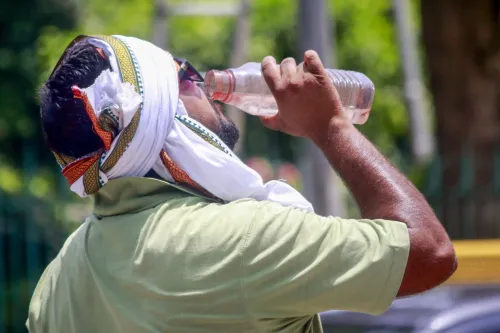
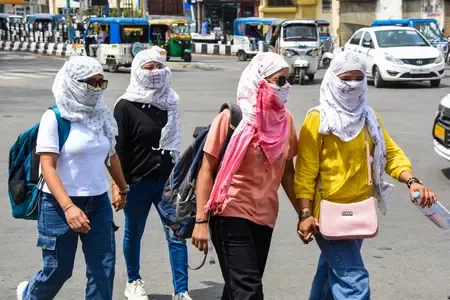
Prolonged heatwaves of this magnitude carry serious public health consequences. Heat stress, heat exhaustion, and heatstroke cases typically spike when temperatures exceed 42°C, particularly in urban heat islands like Delhi, where concrete infrastructure amplifies ambient temperatures. Vulnerable populations — daily wage laborers, construction workers, street vendors, and the homeless — bear the greatest burden.
State governments across Rajasthan, Uttar Pradesh, and Bihar have historically deployed heat action plans during such episodes, including the opening of cooling centers, distribution of oral rehydration salts, and public awareness drives. The effectiveness of these measures, however, has been inconsistently implemented, according to public health observers.
With peak summer still weeks away and the IMD projecting above-normal temperatures through May and June 2025, the current heatwave may be just the opening act of a prolonged and punishing summer season for the subcontinent. Citizens, health authorities, and disaster management agencies are advised to remain on high alert in the days ahead.
Point of View
With Delhi threatening 44°C, should trigger urgent policy responses — not just IMD alerts. What's missing from the mainstream conversation is accountability: state heat action plans exist on paper, but their ground-level execution remains patchy, leaving daily wage workers and the urban poor most exposed. As India's summers grow longer and hotter, the gap between meteorological warnings and meaningful protective action is itself becoming a public health crisis.
NationPress
19 Sept 2026
Frequently Asked Questions
Which states are under heatwave alert in India in April 2025?
Over a dozen Indian states are currently under heatwave alert, including Punjab, Haryana, Uttar Pradesh, Rajasthan, Madhya Pradesh, Bihar, Jharkhand, Odisha, West Bengal, Chhattisgarh, and parts of Kerala. Coastal states like Tamil Nadu, Andhra Pradesh, Karnataka, and Gujarat face hot and humid conditions simultaneously.
What is Delhi's temperature forecast for this week?
Delhi's maximum temperature is expected to reach approximately 44 degrees Celsius on Friday, April 25, with the minimum hovering near 26°C. The IMD has issued a yellow alert for heatwave conditions in the capital, with clear skies and no significant rainfall expected.
Will there be any rainfall relief during the heatwave in India?
Yes, partial rainfall relief is expected in select regions. States like Jammu & Kashmir, Himachal Pradesh, Uttarakhand, and northeastern India may see light to moderate rain and thunderstorms. However, the core heatwave belt across north and central India will remain largely unaffected by this precipitation activity.
Why has the IMD warned fishermen about the Bay of Bengal?
The IMD has advised fishermen not to venture into the Bay of Bengal along the Odisha and West Bengal coasts on April 26 and 27 due to the likelihood of rough seas, strong winds, and storm conditions. Fishermen are urged to return to shore before these dates to avoid risk to life and property.
How serious is the 2025 India heatwave compared to previous years?
The April 2025 heatwave is consistent with a worsening trend — IMD data and climate research indicate that April heatwaves in India have become more frequent and intense over the past decade. Years like 2022 and 2023 also saw record-breaking April temperatures across the Indo-Gangetic Plain, suggesting a long-term climate pattern rather than an isolated event.