Did Delhi Penalise 11,776 Polluting Vehicles in One Day?
Synopsis
Delhi has taken significant steps against air pollution, issuing 11,776 fines to non-compliant vehicles in one day. The Environment Minister highlights a multi-faceted approach to improve air quality, involving dust control, waste management, and public cooperation. Stay informed about these crucial environmental initiatives.
Key Takeaways
11,776 challans issued to non-compliant vehicles.
Government's multi-sector strategy shows effectiveness in improving AQI.
Municipal agencies removed 12,164.88 MT of waste.
Public cooperation is vital for sustaining clean air initiatives .
Strict measures against defaulters are being enforced.
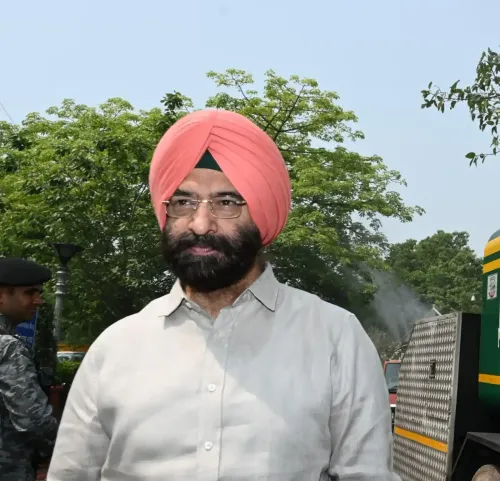
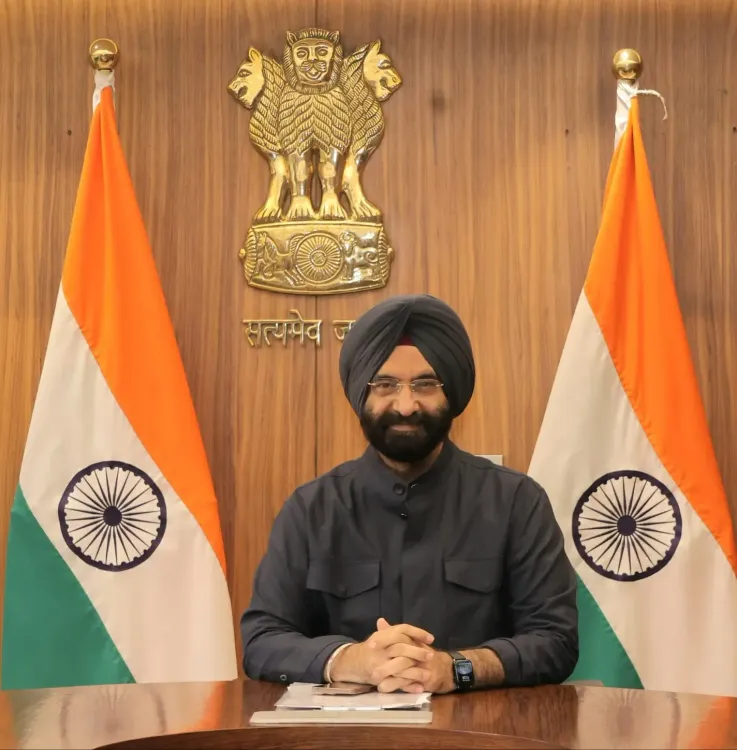
New Delhi, Dec 19 (NationPress) Enforcement teams took decisive action by issuing 11,776 challans against polluting and non-compliant vehicles on Friday, as part of a robust initiative targeting emission sources across the city, announced Environment Minister Manjinder Singh Sirsa.
The government has implemented a comprehensive strategy that includes enforcement, dust control, waste management, and vehicle regulation, resulting in a significant enhancement in AQI levels compared to previous winters, he noted.
Sirsa emphasized the government's commitment to creating year-round, science-based interventions and systemic reforms to maintain clean air.
On the cleanliness and dust-mitigation front, municipal agencies successfully removed 12,164.88 MT of waste, swept 2,068.81 km using mechanical road sweepers, and conducted water sprinkling over 1,830 km of roads, reported the Minister.
Moreover, anti-smog guns (ASGs) operated across over 5,528 km, with 160 ASGs deployed at major construction sites for ongoing dust suppression, he added.
The city made notable progress in its waste management efforts, with an average of 30,000 MT of legacy waste bio-mined within the last 24 hours, he stated.
Citizen-centric governance remained a priority, with 57 complaints addressed swiftly via the 311 service, Green Delhi App, SAMEER, and social media, as per an official statement.
To ensure compliance, 542 non-destined trucks were intercepted and redirected. Furthermore, 34 traffic choke points were alleviated, it was reported.
Sirsa urged all citizens, institutions, and fleet operators to strictly adhere to the government's pollution-control protocols.
“This battle against air pollution is a collective responsibility—government departments remain on high alert, and public cooperation is vital to maintaining the progress we are witnessing,” he stressed.
Earlier, Union Environment, Forest and Climate Change Minister Bhupender Yadav directed measures for smooth traffic flow and the removal of construction debris, encouraging all stakeholders to contribute to a noticeable enhancement in Delhi's air quality within a week.
The Minister led a meeting attended by the head of the Commission for Air Quality Management (CAQM) and senior officials, announcing that from January 2026, action plans, currently being finalized, will undergo monthly reviews at the Ministerial level.
Key directives from Minister Yadav included ensuring smooth traffic management at 62 identified congestion hotspots, removal of dust and construction waste from roads, containing biomass burning, and implementing staggered timings for offices, shopping malls, and commercial complexes, according to an official statement.
The Minister reiterated the necessity for strict measures against violators while ensuring public convenience.
Point of View
It is essential to recognize the proactive measures taken by the Delhi government in addressing air pollution. The issuance of 11,776 challans indicates a serious commitment to enforcing environmental regulations. While these steps are commendable, ongoing public engagement and compliance are crucial to achieving lasting improvements in air quality.
NationPress
10 Oct 2026
Frequently Asked Questions
What prompted the issuance of 11,776 challans?
The enforcement teams aimed to tackle pollution by targeting non-compliant and polluting vehicles as part of a broader initiative to improve air quality in Delhi.
How does the government plan to address air pollution long-term?
The government is implementing year-round, science-based interventions and systematic reforms to sustain clean air, including enforcement, dust control, and waste management strategies.
What measures are being taken to manage traffic congestion?
The government has identified 62 congestion hotspots and is implementing measures to ensure smooth traffic flow, which is crucial for reducing emissions.
How can citizens contribute to pollution control?
Citizens are encouraged to comply with government pollution control directives and participate actively in initiatives aimed at reducing emissions.
What is the role of the anti-smog guns in this initiative?
Anti-smog guns are deployed at major construction sites and are crucial for continuous dust suppression, contributing to improved air quality.