Delhi Lakshmi Yojana registrations cross 5 lakh in 7 days
Synopsis
Delhi's women's financial scheme hit 5 lakh registrations in just seven days — a pace that signals genuine grassroots demand. What sets the Delhi Lakshmi Yojana apart is its dual-track design: a CBDC wallet for daily needs and an RD/FD for long-term savings, with a built-in digital negative list blocking spending on alcohol, tobacco, and gambling.
Key Takeaways
Delhi Lakshmi Yojana crossed 5 lakh registrations on its portal by Saturday, 8 August , within seven days of launch.
By 8 pm Friday , the portal had 4.87 lakh registrations and 1.99 lakh submitted applications .
Beneficiaries choose between two options: ₹1,000/month in a CBDC wallet + ₹1,500 in RD/FD, or the full ₹2,500/month in RD/FD.
The scheme was originally approved as 'Mahila Samriddhi Yojana' before being renamed by the Delhi Cabinet .
A digital negative list bars CBDC wallet funds from being spent on alcohol, tobacco, narcotics, lottery, gambling, or betting.
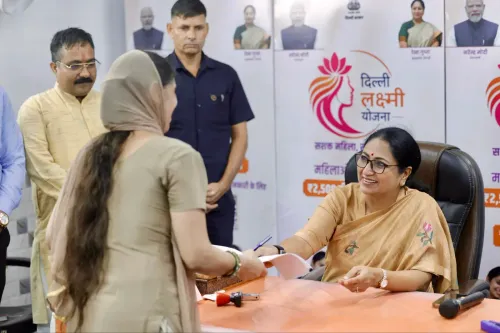
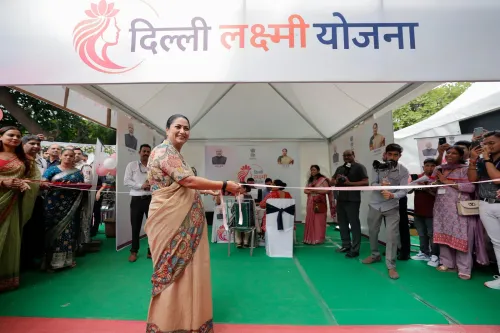
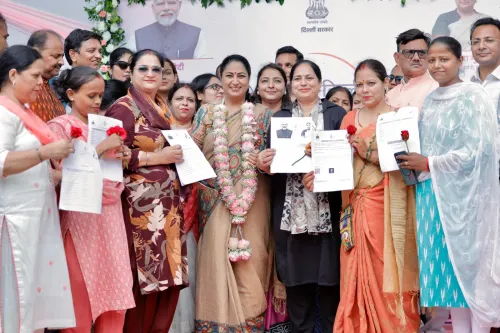
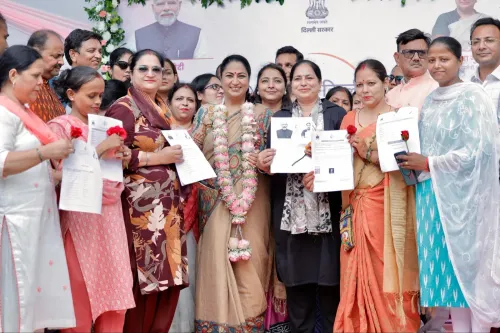
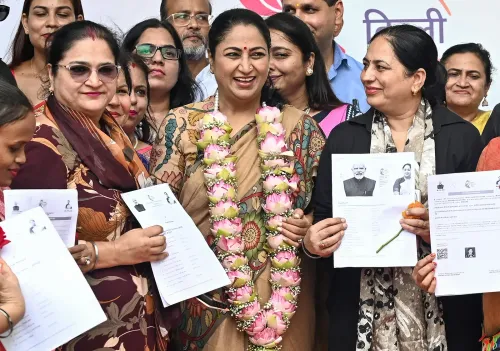
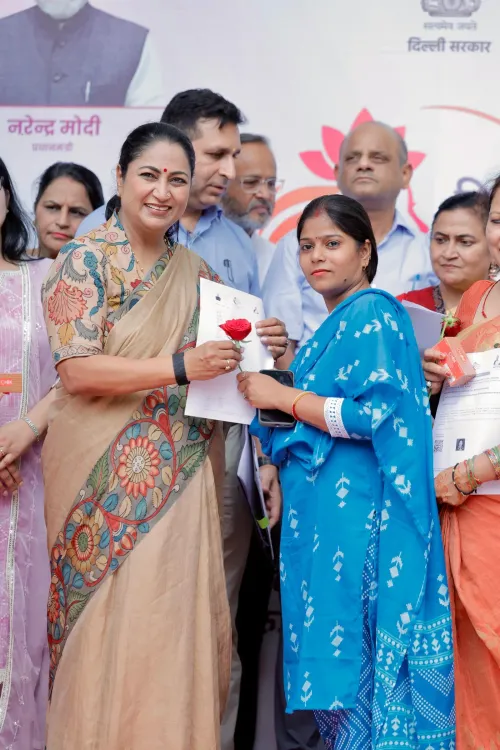
The Delhi Lakshmi Yojana (DLY), the Delhi government's women's financial empowerment scheme, crossed 5 lakh registrations on its portal by Saturday afternoon, 8 August, just seven days after its launch, according to an official statement. The surge underscores the scale of demand among women residents of the capital for structured financial assistance.
Registration Numbers at a Glance
By 8 pm on Friday, the DLY portal had logged 4.87 lakh registrations, with 1.99 lakh applications formally submitted. Overnight activity and an early-morning rush on Saturday pushed the total past the 5-lakh mark, officials confirmed. The pace of sign-ups — averaging well over 70,000 registrations per day — points to significant grassroots outreach across Delhi's neighbourhoods.
How the Scheme Was Renamed and Why
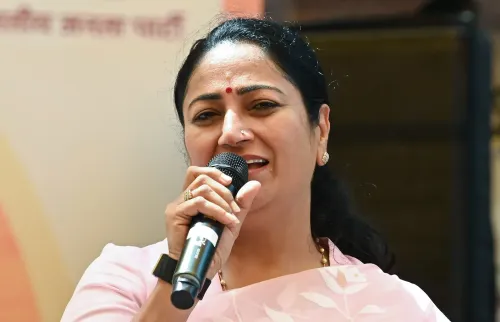
Chief Minister Rekha Gupta said the Delhi Cabinet had originally cleared the scheme under the name 'Mahila Samriddhi Yojana' before renaming it Delhi Lakshmi Yojana. The rebranding, she explained, was intended to better reflect the government's broader vision of women's dignity, prosperity, and economic empowerment — moving beyond the framing of conventional cash-transfer programmes.
Two Financial Options for Beneficiaries
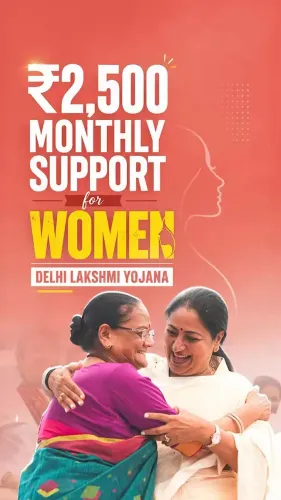
The scheme offers eligible women a choice between two disbursement structures. Under the first option, ₹1,000 per month is credited to a Central Bank Digital Currency (CBDC) wallet for day-to-day expenses, while the remaining ₹1,500 is deposited into a recurring deposit or fixed deposit (RD/FD) account. Under the second option, the full ₹2,500 per month goes into an RD/FD, enabling beneficiaries to accumulate savings along with interest over time.
This dual-track design is notably different from flat cash-transfer models seen in similar state schemes, blending immediate liquidity with long-term wealth building.
CBDC Wallet Restrictions
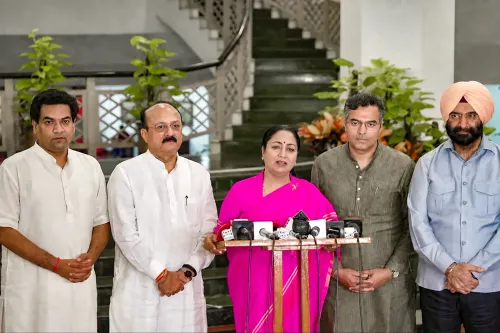
Chief Minister Rekha Gupta also announced that a digital negative list will govern spending from the CBDC wallet. Funds credited to the wallet cannot be used to purchase alcohol, tobacco, narcotic substances, lottery tickets, or to participate in gambling or betting. The restriction list may be expanded by the government from time to time. 'The financial assistance is utilised for the welfare of families,' Gupta said, explaining the rationale behind the spending controls.
What Comes Next
With over 1.99 lakh applications already submitted for processing, the government faces the task of verification and timely disbursal. The scheme's design — particularly the CBDC wallet component — will be an early test of Delhi's digital financial infrastructure at scale. How quickly the first payments reach verified beneficiaries will determine whether the strong registration numbers translate into sustained public trust.
Point of View
But registrations are not beneficiaries. The real metric will be how many of those 1.99 lakh submitted applications clear verification and receive their first payment on time. The CBDC wallet component is an ambitious policy experiment — Delhi would be among the first Indian states to route welfare funds through a digital currency with a programmable negative list. If the infrastructure holds, it sets a replicable template; if it stumbles, it hands critics a ready-made argument against digital-first welfare delivery. Chief Minister Gupta's rebranding from 'Mahila Samriddhi Yojana' to 'Delhi Lakshmi Yojana' also signals political repositioning ahead of future electoral cycles — the name carries stronger cultural resonance and broader recall.
NationPress
23 Sept 2026
Frequently Asked Questions
What is the Delhi Lakshmi Yojana?
The Delhi Lakshmi Yojana (DLY) is a Delhi government scheme providing eligible women ₹2,500 per month through either a CBDC wallet combined with an RD/FD account, or entirely through an RD/FD. It was originally approved as the 'Mahila Samriddhi Yojana' before being renamed by the Delhi Cabinet.
How many women have registered for Delhi Lakshmi Yojana?
Over 5 lakh women registered on the DLY portal within the first seven days of launch, as of Saturday afternoon, 8 August. By 8 pm on Friday alone, registrations had reached 4.87 lakh, with 1.99 lakh applications formally submitted.
What are the two financial options under the scheme?
Under the first option, ₹1,000 per month is credited to a Central Bank Digital Currency (CBDC) wallet for daily expenses and ₹1,500 goes into an RD/FD account. Under the second option, the full ₹2,500 per month is deposited into an RD/FD, allowing beneficiaries to build savings with interest over time.
What restrictions apply to the CBDC wallet under Delhi Lakshmi Yojana?
Funds in the CBDC wallet cannot be spent on alcohol, tobacco, narcotics, lottery tickets, gambling, or betting. The Delhi government has said it may expand this digital negative list from time to time to ensure the assistance is used for essential household needs.
Who is eligible for the Delhi Lakshmi Yojana?
The source material does not detail specific eligibility criteria. Women residents of Delhi are the target beneficiaries, and those interested can register and submit applications through the scheme's official portal.