Delhi Laxmi Yojana: 1.54 lakh women register, 10,723 applications filed
Synopsis
Less than 48 hours after launch, the Delhi Laxmi Yojana has pulled in 1.54 lakh registrations — a sign of real demand, but also a stress test for a four-stage verification system that must now separate genuine beneficiaries from fraudulent claims at scale. The scheme's CBDC-linked spending controls make it one of the most structurally distinct women's welfare programmes in India.
Key Takeaways
1.54 lakh women registered on the Delhi Laxmi Yojana portal by 7:48 am on 4 August 2025 ; 10,723 completed final applications.
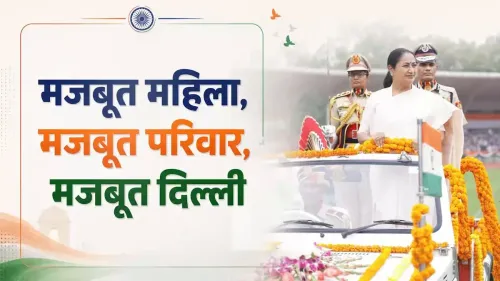
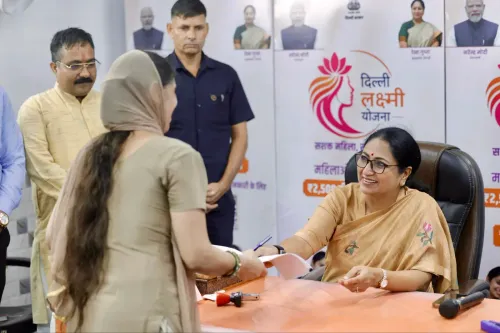
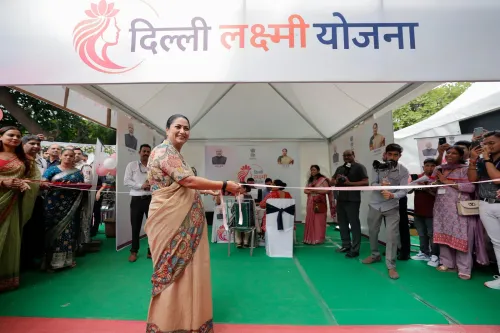
The scheme was officially launched by Delhi Chief Minister Rekha Gupta on 2 August 2025 at www.dly.delhi.gov.in .
Eligible women receive ₹2,500 per month — split between a CBDC wallet and an RD/FD account , or entirely into savings.
The scheme targets nearly 17 lakh women in Delhi over an initial three-year period.
Applicants must be aged 21–60 , have a family income below ₹2.5 lakh annually , and be Delhi residents for at least 10 years .
A four-stage digital verification process — including Aadhaar authentication and PFMS integration — governs every application.
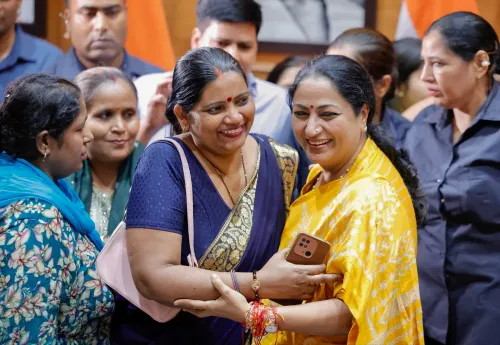
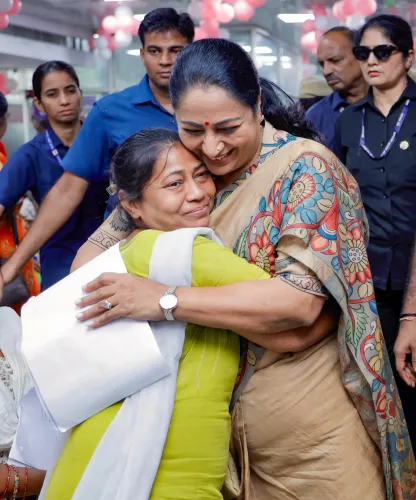
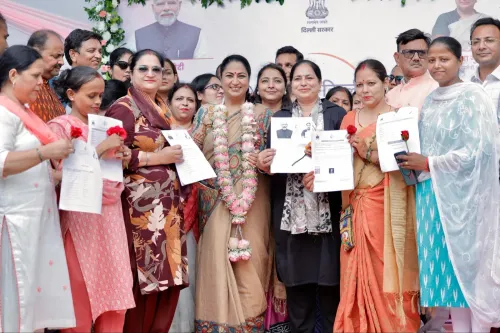
The Delhi Laxmi Yojana, launched by Delhi Chief Minister Rekha Gupta on Saturday, 2 August 2025, has drawn a strong early response, with 1.54 lakh women registering on the official portal and 10,723 submitting completed applications by 7:48 am on Monday, 4 August 2025, according to an official. The scheme promises eligible women a monthly financial assistance of ₹2,500 and is projected to benefit nearly 17 lakh women across the capital over a three-year period.
Early Registration Numbers
Within the first 12 hours of the portal going live at www.dly.delhi.gov.in, more than 33,730 registrations were completed, with 1,940 final applications submitted during that window alone. The pace of sign-ups signals significant pent-up demand for structured financial support among Delhi's women. The scheme was originally approved by the Delhi Cabinet under the name Mahila Samriddhi Yojana before being renamed Delhi Laxmi Yojana to, in the Chief Minister's words, better reflect 'the broader vision of women's dignity, prosperity and economic empowerment.'
How the Scheme Works
Unlike conventional direct-benefit transfers, the Delhi Laxmi Yojana offers beneficiaries a choice between two financial options. Under the first option, ₹1,000 per month is credited to a Central Bank Digital Currency (CBDC) wallet for day-to-day expenses, while the remaining ₹1,500 is deposited into a recurring deposit or fixed deposit (RD/FD) account. Under the second option, the entire ₹2,500 is deposited monthly into an RD/FD, enabling beneficiaries to accumulate savings with interest over time.
A digital negative list will govern CBDC wallet spending, barring use on alcohol, tobacco, narcotics, lottery tickets, gambling, and betting. The restriction is designed to ensure government assistance is directed toward essential household needs.
Eligibility and Verification
The scheme is open to the eldest eligible woman in a household. Applicants must be between 21 and 60 years of age, have a family annual income not exceeding ₹2.5 lakh, and either the applicant, her parents, or her husband must have been Delhi residents for at least 10 years. The applicant must also be a registered voter in Delhi.
Every application will pass through a four-stage verification process: initial scrutiny by the District Programme Management Unit, followed by the District Women and Child Development Officer, and final review by the District-Level Approval, Monitoring and Grievance Redressal Committee. Verification will include Aadhaar authentication, voter registration checks, income assessment, electricity consumption data, vehicle ownership records, and pension and government service status. False claims will attract recovery of disbursed amounts along with legal and administrative action.
Technology and Transparency
The scheme operates on a fully digital platform. The DLY portal integrates applications, document verification, eligibility assessment, approvals, Public Financial Management System (PFMS) linkage, banking services, CBDC transfers, and SMS notifications. Chief Minister Rekha Gupta said this end-to-end digital architecture would make the process 'faster, more transparent and accountable.'
Political Context and What Comes Next
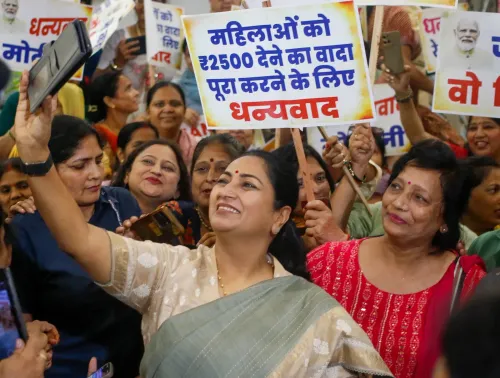
The launch fulfils a commitment made by the ruling party during the Delhi Assembly elections, and the Chief Minister framed it as a step toward strengthening the economic empowerment of women. The scheme will run for an initial period of three years. With registration momentum building, officials will be closely monitoring application completion rates as the portal scales to handle projected demand from the nearly 17 lakh eligible women in the city.
Point of View
But the harder test lies ahead: can a four-stage bureaucratic verification chain process applications fast enough to sustain public confidence? The scheme's CBDC-linked spending controls are genuinely novel in India's welfare architecture, but they also introduce a layer of surveillance over how poor women spend money — a trade-off that deserves scrutiny. Women's welfare schemes with high registration and low disbursement have a long history in Indian states; the metric to watch is not sign-ups but monthly transfer completion rates six months from now.
NationPress
18 Sept 2026
Frequently Asked Questions
What is the Delhi Laxmi Yojana?
The Delhi Laxmi Yojana is a financial assistance scheme launched by Delhi Chief Minister Rekha Gupta on 2 August 2025, providing eligible women ₹2,500 per month through a combination of a CBDC wallet and an RD/FD savings account. It is projected to benefit nearly 17 lakh women over three years.
Who is eligible for the Delhi Laxmi Yojana?
The eldest eligible woman in a household can apply if she is between 21 and 60 years of age, the family's annual income does not exceed ₹2.5 lakh, and she or her parents/husband have been Delhi residents for at least 10 years. She must also be a registered voter in Delhi.
How can women register for the Delhi Laxmi Yojana?
Women can register on the official portal at www.dly.delhi.gov.in. The portal handles the full process — application, document upload, eligibility verification, and approval — on a single digital platform.
What are the two financial options under the scheme?
Under the first option, ₹1,000 per month goes into a CBDC wallet for daily expenses and ₹1,500 into an RD/FD account. Under the second option, the full ₹2,500 is deposited monthly into an RD/FD, allowing beneficiaries to build larger savings with interest.
What restrictions apply to the CBDC wallet under Delhi Laxmi Yojana?
A digital negative list bars CBDC wallet spending on alcohol, tobacco, narcotics, lottery tickets, gambling, and betting. The restriction ensures the government assistance is used only for essential household needs, as stated by Chief Minister Rekha Gupta at the launch.