Is Delhi-NCR Experiencing a Severe Cold and Air Pollution Crisis?
Synopsis
With a chilling cold wave and alarming air pollution levels, Delhi-NCR faces a serious environmental crisis. The IMD has issued alerts while the AQI reaches severe levels, prompting health warnings. Discover the urgent measures being discussed to tackle this pressing situation.
Key Takeaways
Severe cold wave affecting Delhi-NCR.
AQI levels above 400 categorized as 'severe'.
Health risks are elevated for vulnerable populations.
Authorities emphasize long-term pollution control measures.
Public advised to take precautions against poor air quality.
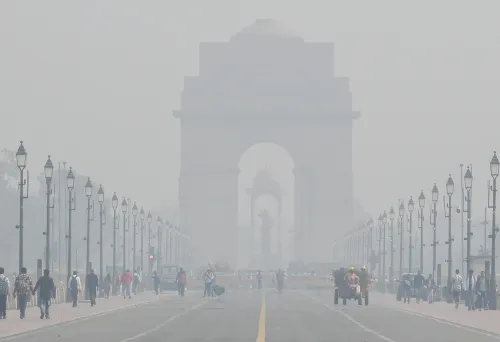
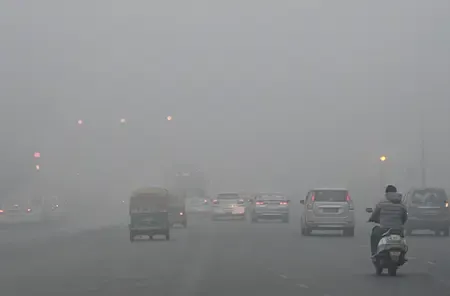
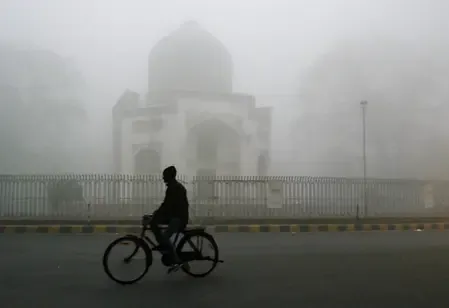
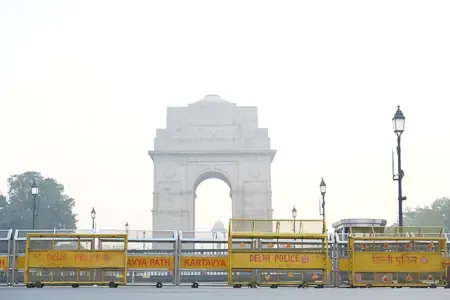
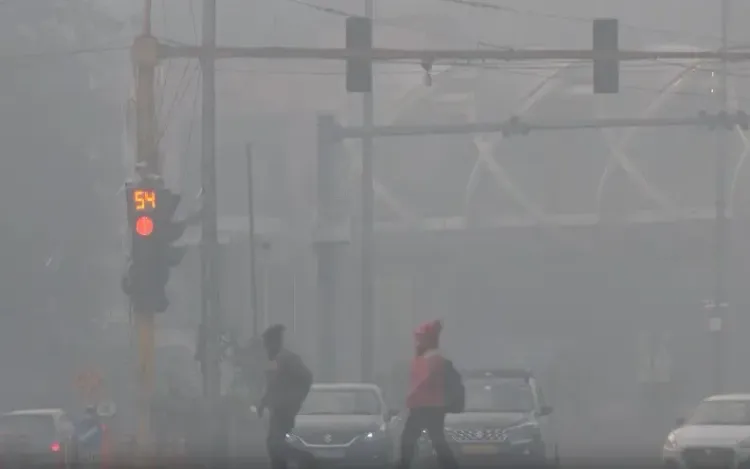
New Delhi, Jan 13 (NationPress) Residents of Delhi-NCR are grappling with a combination of severe cold and alarming air pollution levels on Tuesday. The India Meteorological Department (IMD) has issued both orange and yellow alerts due to an ongoing cold wave, while the Air Quality Index (AQI) has reached perilously high levels in numerous areas.
As reported by the IMD, the cold wave is expected to continue throughout January 13 and 14 in the Delhi-NCR region. During this time, the maximum temperature is forecasted to remain around 20 degrees Celsius, with minimum temperatures potentially plummeting to as low as 4 degrees Celsius. Compounding the situation are extremely high humidity levels, which have soared to between 97 and 98 percent during early morning hours.
The chilling effect of cold winds combined with high humidity has made the weather feel even harsher than the actual temperatures. While a slight uptick in temperatures is anticipated starting January 15, with minimums possibly rising to around 6 degrees Celsius, moderate to dense fog is expected during early mornings and nights, potentially disrupting visibility and transportation.
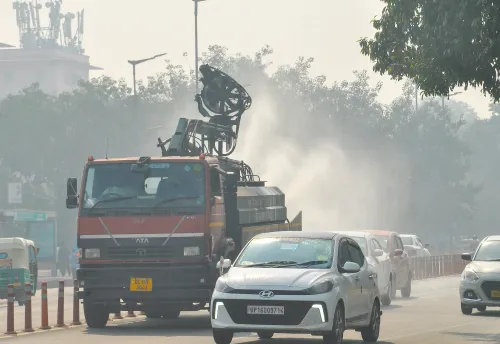
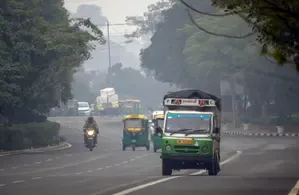
On the air quality front, the situation remains dire. Data from monitoring stations managed by the Central Pollution Control Board (CPCB) and state agencies reveal that AQI levels have surged past the 400 threshold in various parts of the national capital, categorizing the air quality as 'severe.' Notably, areas such as Anand Vihar reported an AQI of 411, Rohini at 397, Chandni Chowk at 380, Bawana at 378, Wazirpur at 375, and Ashok Vihar at 366.
Other regions also displayed alarming AQI readings, including Alipur at 322, R.K. Puram at 365, Vivek Vihar at 366, Sonia Vihar at 334, and Shadipur at 309. Even areas with relatively lower pollution, like Sri Aurobindo Marg, reported an AQI of 274, which still falls within the 'poor' category.
In neighboring NCR cities, air quality remains equally troubling. Noida recorded AQI levels of 357 in Sector-1, 339 in Sector-116, 340 in Sector-125, and 307 in Sector-62. In Ghaziabad, Indirapuram reported an AQI of 324, while Sanjay Nagar had an AQI of 309.
On Monday, Union Minister for Environment, Forest and Climate Change (EFCC) Bhupender Yadav led a high-level review meeting to evaluate the Delhi government’s strategies for combating air pollution throughout the NCR. He emphasized the necessity for ongoing, long-term solutions rather than temporary fixes.
This review session was part of the Centre’s annual evaluation process and included Delhi Chief Minister Rekha Gupta, Union Minister of State (EFCC) Kirti Vardhan Singh, Delhi Environment Minister Manjinder Singh Sirsa, and senior officials from the Ministry of Environment, Forest and Climate Change (MoEFCC), the Delhi government, and associated agencies.
Health professionals caution that prolonged exposure to such hazardous air can considerably elevate the risk of respiratory and cardiovascular diseases, especially among children, the elderly, and those with pre-existing health issues. They advise the public to limit outdoor activities unless absolutely necessary, wear protective masks, and take appropriate measures against the cold. Authorities are also urging residents to adhere to pollution control guidelines and exercise caution during this critical period.
Point of View
Our commitment is to provide the public with accurate and timely information. The current situation in Delhi-NCR regarding severe cold and hazardous air quality is alarming and requires immediate attention from both authorities and residents. We stand behind initiatives that prioritize health and safety.
NationPress
18 Sept 2026
Frequently Asked Questions
What is the current temperature in Delhi-NCR?
The maximum temperature is around 20 degrees Celsius, while the minimum can drop to 4 degrees Celsius.
Why is the air quality so poor in Delhi-NCR?
The AQI has crossed the 400 mark due to various pollution sources, placing it in the 'severe' category.
What precautions should residents take?
Avoid outdoor activities, wear protective masks, and follow pollution control guidelines.
When is the cold wave expected to end?
The cold wave is likely to persist through January 14, with a slight temperature increase expected from January 15.
Who is addressing the air pollution issue?
The Union Minister for Environment, Forest and Climate Change is leading discussions with the Delhi government to address this crisis.