Delhi Police seizes 30 rolls of banned Chinese manja, one arrested ahead of I-Day

Synopsis
With Independence Day kite-flying season days away, Delhi Police have now seized over 400 rolls of banned Chinese manja and made four arrests in quick succession — but the supply networks feeding the city's illegal market remain intact. Two people have already died from manja injuries in 2026, and thousands of birds are at risk each season.
Key Takeaways
Delhi Police recovered 30 rolls of banned Chinese manja and arrested Md.
Jamir, 52 , from Seelampur on 7 August 2026 .
The manja bore the label 'Hero Plus – For Industrial Use Only' ; FIR No.
278/2026 under Section 223(a) BNS has been registered.
Earlier operations this week netted 384 additional rolls and three more arrests , bringing the week's total to 414 rolls and four arrests .
In January 2026 , Chinese manja claimed two lives in Telangana — a 5-year-old girl in Hyderabad and a 35-year-old man in Sangareddy.
Authorities are working to trace suppliers and dismantle the illegal distribution network ahead of the Independence Day kite-flying season.
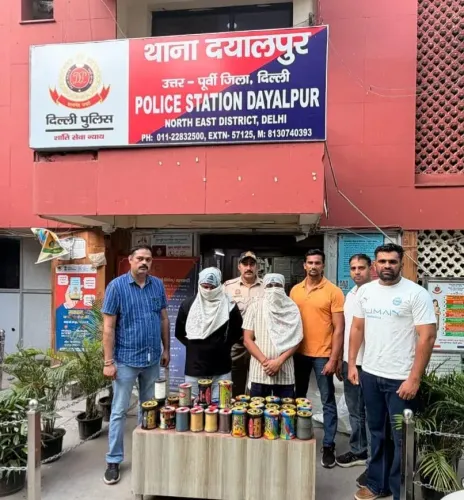
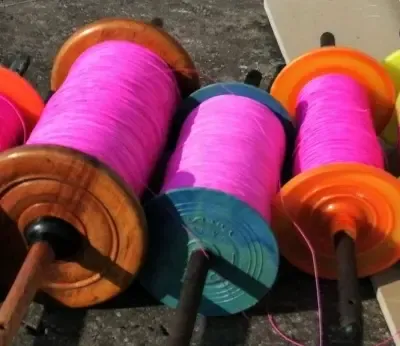
Delhi Police recovered 30 rolls of banned Chinese manja — glass-coated kite string — and arrested one person on 7 August 2026, in a targeted crackdown ahead of Independence Day. The operation was carried out by a team from Seelampur Police Station in northeast Delhi, following credible intelligence about illegal storage and sale of the hazardous material.
How the Raid Unfolded
Head Constable Roki and Constable Anuj were on routine area patrolling when they received specific information about a person storing and selling banned Chinese manja near Gali No. 09, Gautampuri in the Seelampur area. The tip was immediately relayed to senior officers, who authorised a raid at the location.
During the operation, Md. Jamir, 52, was apprehended. Investigators recovered 30 rolls of banned Chinese manja from his possession, marked 'Hero Plus – For Industrial Use Only'. Police records show no previous criminal history for the accused.
FIR No. 278/2026 dated 7 August 2026 under Section 223(a) BNS has been registered at PS Seelampur. Further investigation is underway, with authorities working to trace the supply chain behind the illegal consignment.
Part of a Wider Pre-Independence Day Crackdown
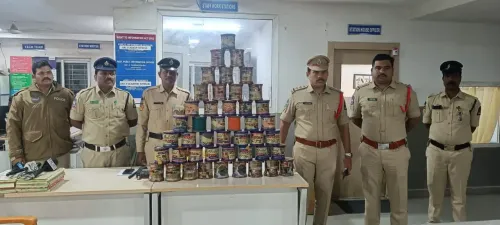
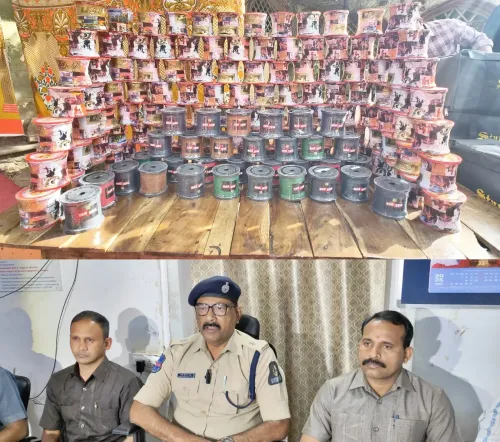
This arrest is not an isolated incident. Just days earlier, Delhi Police had recovered 384 rolls of the same banned product and arrested three persons in separate operations across the city. Authorities say efforts are ongoing to identify suppliers and dismantle the broader illegal distribution network that floods Delhi's markets ahead of the kite-flying season.
Notably, the pre-Independence Day period sees a sharp spike in Chinese manja seizures each year, as demand for kite string surges around 15 August — when mass kite flying is a popular tradition across North India.
The Human and Animal Cost of Chinese Manja
The danger posed by glass-coated kite string has been documented in fatal incidents across India. In January 2026, a five-year-old girl, Nishvika Aditya, died in Hyderabad, Telangana, after manja from a flying kite became entangled around her neck, causing a deep cut and profuse bleeding. She died on the spot.
In a separate incident on 14 January 2026, Avidesh, a 35-year-old migrant worker from Uttar Pradesh, died in Sangareddy district, Telangana, when manja wrapped around his neck as he rode a motorcycle, inflicting a fatal cut.
Beyond human casualties, thousands of birds suffer grievous injuries each season — their wings or necks severed by the razor-sharp string — resulting in painful deaths, according to wildlife advocates and veterinary organisations.
Legal Status and What Comes Next
Chinese manja has been banned across multiple Indian states and under central environment and wildlife protection frameworks due to the lethal risk it poses to humans, birds, and animals. Despite the ban, illegal manufacturing and distribution networks continue to operate, particularly in the run-up to kite-flying festivals.
Police have indicated that tracing the suppliers behind the recovered consignments remains a priority, with investigators looking to identify whether the manja originated from local stockpiles or was transported from outside Delhi.
Point of View
But supply chains replenish themselves each kite-flying season with near-mechanical regularity. Arresting street-level sellers like Md. Jamir does little to disrupt upstream networks. The real question is why, after years of documented fatalities — including two deaths in January 2026 alone — the Centre and state governments have not moved to prosecute manufacturers and bulk distributors under more stringent economic offence frameworks. Until the supply chain is targeted, not just the last-mile seller, the body count will continue to rise every August.
NationPress
22 Sept 2026
Frequently Asked Questions
What is Chinese manja and why is it banned in India?
Chinese manja is a synthetic, glass- or metal-coated kite string that is extremely sharp and can cause fatal cuts to humans, birds, and animals. It is banned across several Indian states and under central frameworks due to documented deaths and injuries, including two fatalities in Telangana in January 2026.
Who was arrested in the Delhi manja raid on 7 August 2026?
Police arrested Md. Jamir , a 52-year-old resident, from near Gali No. 09, Gautampuri in the Seelampur area of Delhi. He had no prior criminal record. Thirty rolls of banned Chinese manja labelled 'Hero Plus – For Industrial Use Only' were recovered from his possession.
How many rolls of Chinese manja has Delhi Police seized this week?
Delhi Police have seized a combined total of at least 414 rolls of banned Chinese manja in operations this week — 30 rolls in the 7 August raid and 384 rolls in separate earlier operations — resulting in four arrests in all.
What are the dangers of Chinese manja to humans and birds?
Chinese manja's glass-coated surface can sever skin and arteries on contact. In January 2026, it killed a five-year-old girl in Hyderabad and a 35-year-old motorcyclist in Sangareddy, Telangana. Thousands of birds also die each season after their wings or necks are cut by the string.
What legal action has been taken against the accused?
An FIR — No. 278/2026 dated 7 August 2026 — has been registered at PS Seelampur under Section 223(a) of the Bharatiya Nyaya Sanhita (BNS). Investigation is ongoing, with police working to identify and apprehend the suppliers behind the illegal consignment.